
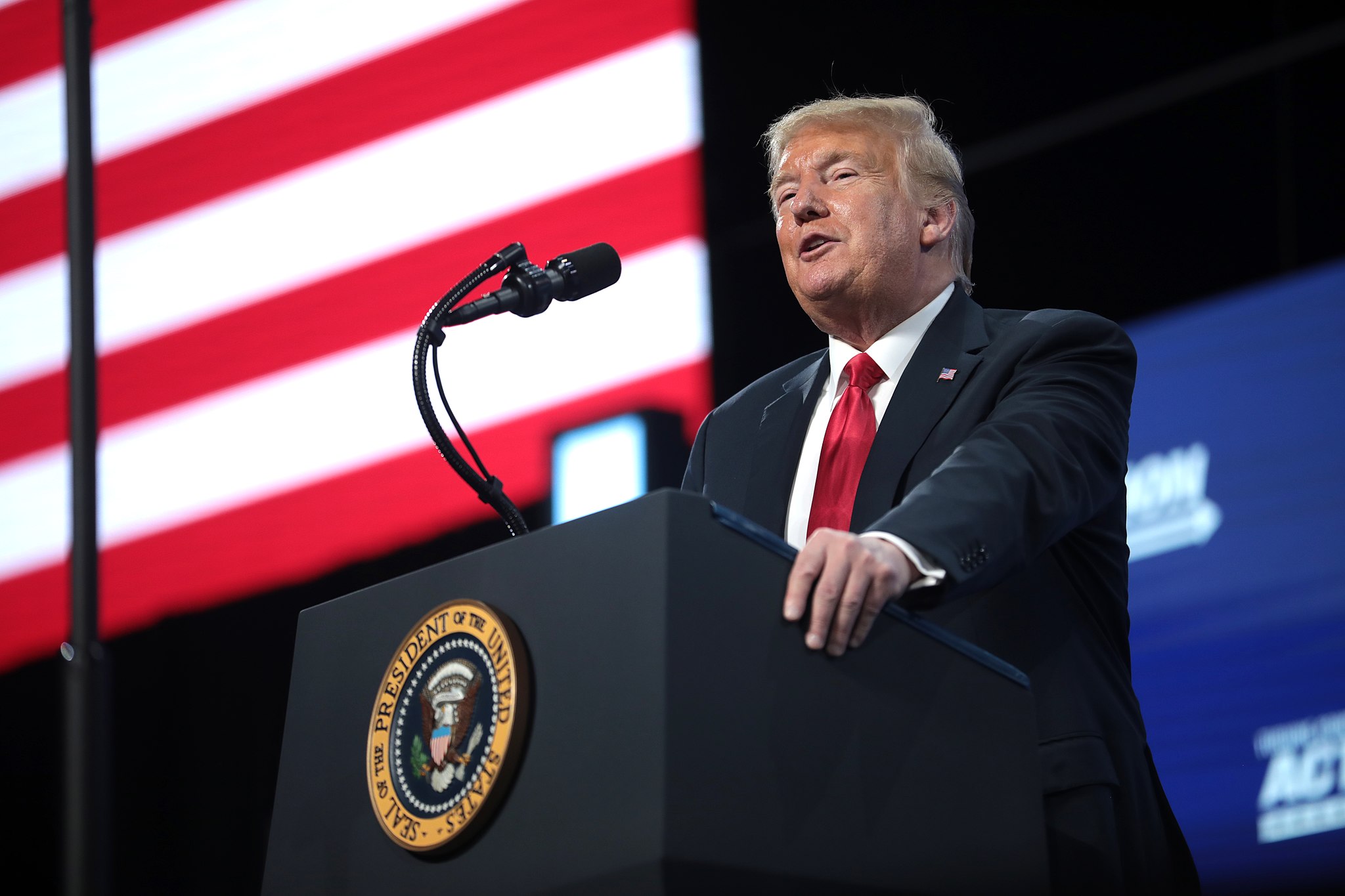
Here’s what President Trump said.
President Donald Trump made a startling reference to the U.S. military Friday while answering questions about the Trump administration’s efforts to deal with rising Treasury yields and pressure in the U.S. bond market.
The unexpected comment came as Treasury Secretary Scott Bessent works to address borrowing costs that could have consequences for mortgage rates, retirement investments, federal spending and the broader U.S. economy.
Trump did not explain exactly what he meant by mentioning the military, leaving considerable uncertainty surrounding the remark.
Trump Questioned About Rising Treasury Yields
The exchange occurred Friday afternoon as Trump spoke with reporters before boarding Air Force One.
A reporter asked the president about Bessent’s recent efforts involving the Treasury market and whether Trump personally directed the Treasury secretary to take action.
Trump said he did not.
Instead, the president praised Bessent and indicated that the Treasury secretary had made the decision himself.
Trump described Bessent as highly capable and said he has a strong natural instinct when dealing with bonds and interest rates.
But the reporter quickly raised another issue.
Treasury yields had moved higher again.
She asked Trump whether he had discussed another type of intervention with Bessent and whether additional action could be coming.
Trump’s answer immediately attracted attention.
Trump Makes Unexpected Military Comment
“We have many types of intervention,” Trump said.
He then called the military the “ultimate intervention” and said it would be used if necessary.
The remark was particularly unusual because it came during a question-and-answer exchange concerning Treasury yields and possible government intervention.
Trump did not provide additional details explaining how his reference to the military related to the bond market.
There is also no indication from the exchange itself that the administration has developed a plan to deploy military forces as a mechanism for influencing Treasury yields.
That distinction is important.
Without additional clarification from Trump or the White House, it would be premature to conclude that the president was literally proposing military involvement in financial markets.
The statement nevertheless adds another layer of uncertainty to an already closely watched economic story.
Treasury Makes Major Move in Bond Market
Trump’s remarks followed an important announcement from the Treasury Department earlier in the week.
Treasury announced plans Wednesday to at least double its purchases of longer-term U.S. government bonds beginning next month.
The announcement initially had the desired effect.
Long-term Treasury prices climbed while 30-year yields declined from a 19-year high reached only days earlier.
The relief proved temporary, however, as yields subsequently began climbing again.
That reversal has increased attention on Bessent and what additional tools the Trump administration could consider if borrowing costs remain elevated.
Why Treasury Yields Matter to Americans
The bond market can sound like an issue primarily affecting Wall Street, but Treasury yields can have real consequences for millions of American households.
Long-term government yields help influence borrowing costs throughout the economy.
That means sustained increases can affect mortgage rates, business loans and other forms of credit. They can also influence investment portfolios and retirement accounts while increasing the federal government’s cost of financing the national debt.
For Americans over 50, movements in interest rates can be especially important.
Retirees and those approaching retirement may have significant exposure to bonds, Treasury securities, retirement funds, dividend-paying investments and other interest-rate-sensitive assets.
Higher yields can create opportunities for savers seeking income, but rapid increases can also reduce the market value of existing bonds and put pressure on other investments.
Housing is another major concern.
Higher long-term borrowing costs can contribute to elevated mortgage rates, making homes more expensive to finance and potentially discouraging buyers from entering the housing market.
Bessent Says Administration Has More Options
Bessent indicated Thursday that the administration is not necessarily finished responding to conditions in the Treasury market.
Speaking with CNBC, the Treasury secretary said the administration has a “big toolkit” available.
He did not publicly detail every option officials could consider.
That leaves investors, homeowners and taxpayers waiting to see whether additional action is coming.
Bessent’s comments suggest the administration believes it has more financial tools available if current measures fail to produce lasting results.
Exactly what those measures might involve remains uncertain.
Rising Borrowing Costs Put Washington Under Pressure
The situation carries political consequences as well as financial ones.
Americans tend to experience interest rates through monthly expenses rather than Treasury-market statistics.
Mortgage payments, credit costs, business financing and investment performance can all shape how voters perceive the economy.
The federal government faces its own challenge.
Higher Treasury yields can make servicing the national debt more expensive because Washington must pay higher interest rates when issuing new debt or refinancing existing obligations.
With federal spending and the national debt already major concerns among fiscal conservatives, sustained increases in borrowing costs could place additional pressure on policymakers to address Washington’s finances.
What Did Trump Mean by “Military Intervention”?
For now, that remains the biggest unanswered question surrounding Trump’s comments.
The president did not elaborate on the statement or directly explain how military power would relate to the Treasury market.
His answer may have been intended as a broader observation about the different powers available to the United States rather than a literal financial-policy proposal.
Until the White House provides additional context, however, any more specific interpretation would be speculation.
What is clear is that the administration is closely watching the bond market while Bessent considers what options could be available if Treasury yields remain stubbornly high.
What Happens Next Could Affect Millions
Wall Street will now be watching whether Treasury’s expanded purchases can produce a lasting decline in long-term yields.
If yields continue climbing, pressure could increase on Bessent and the Trump administration to consider additional steps.
For everyday Americans, this story goes well beyond Washington politics.
Treasury yields can eventually influence mortgages, retirement portfolios, federal interest expenses, business investment and the overall economy.
Trump’s unusual military remark may dominate the headlines, but the bigger question is whether the administration can successfully bring borrowing costs under control — and what it may be willing to do next.






Leave a Reply