
Here’s what happened.
Rep. Mike Lawler, R-N.Y., publicly broke with President Donald Trump on Sunday over the president’s description of the ongoing military conflict with Iran, arguing that any situation involving American forces should be treated seriously.
Appearing on CNN’s “State of the Union,” Lawler was questioned about Trump’s decision to describe the confrontation as “small potatoes.”
The Republican congressman rejected that characterization.
“Any time you are at war or in a military escalation, it is certainly not small potatoes,” Lawler told CNN host Dana Bash. “It is serious. I think we all recognize that.”
The disagreement was significant because Lawler did not reject Trump’s broader objectives involving Iran. Instead, he challenged the president’s description of the conflict while arguing that the threats posed by Tehran remain substantial.
Lawler Breaks With Trump Over Iran
Lawler said preventing Iran from obtaining a nuclear weapon remains an important national security objective for the United States.
He also pointed to Iran’s support for Hamas, Hezbollah, the Houthis and other groups, while raising concerns about Tehran’s production of ballistic missiles and drones.
Lawler argued that stopping those activities remains critical to American security.
His comments nevertheless created a clear difference between the Republican congressman and the president over how the ongoing military confrontation should be described.
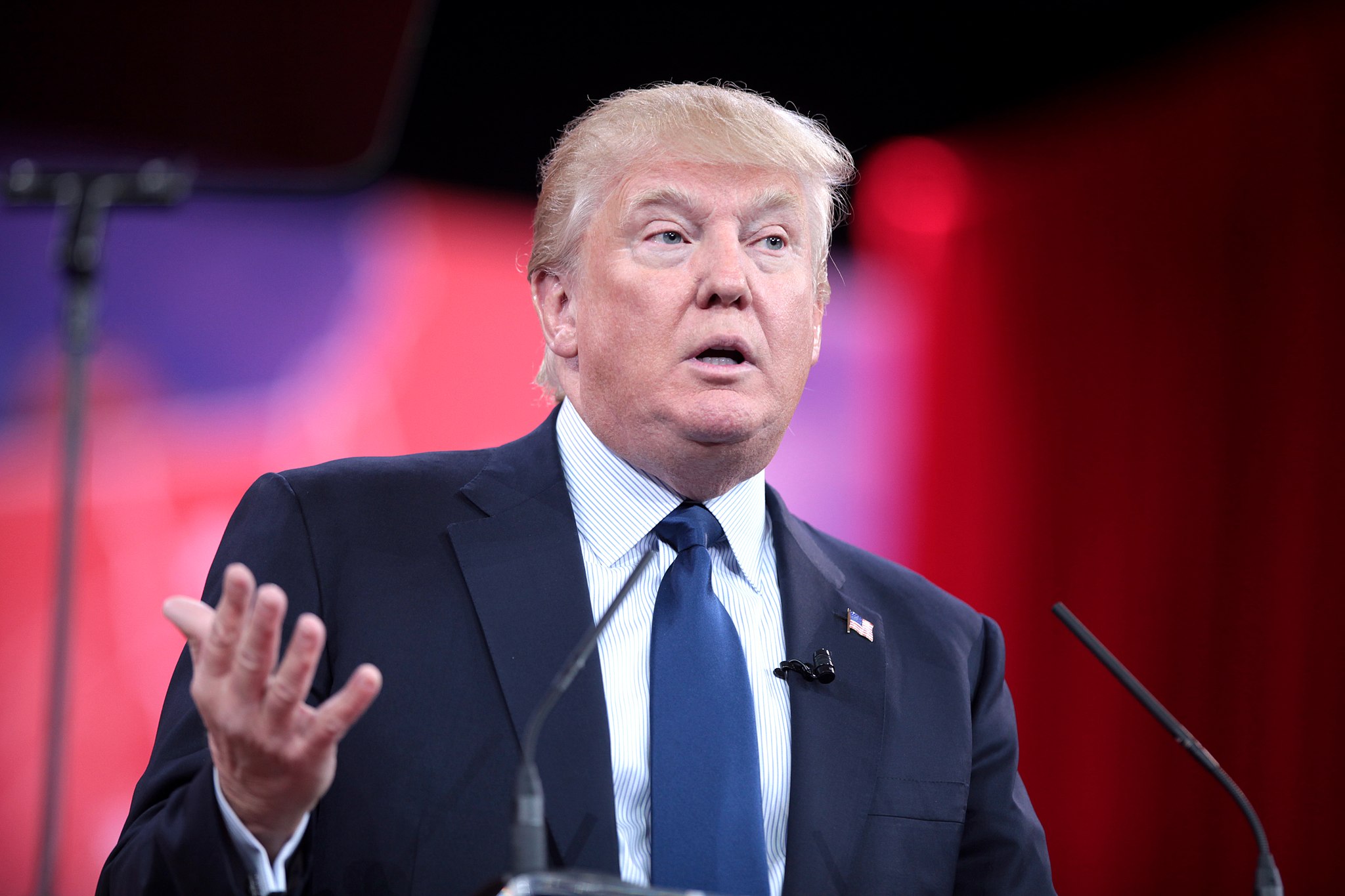
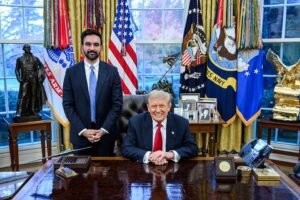
Trump had addressed the issue from the Oval Office on Friday.
The president said he was calling the situation a “military conflict” because it was “small potatoes for us.”
“It’s not a big thing,” Trump added.
Lawler took a noticeably different position Sunday, emphasizing that military escalation involving the United States carries serious consequences regardless of the terminology used to describe it.
Iran Conflict Puts New Focus on Gas Prices
The debate comes as Americans are also confronting the economic consequences associated with instability in the Middle East.
Energy prices have become a particularly important concern.
CNN reported that the national average for gasoline over Labor Day weekend had climbed to $4.13 per gallon, increasing the financial pressure on motorists and households.
Higher fuel costs can extend well beyond what drivers pay at the pump. Diesel and gasoline prices can affect transportation, shipping, agriculture and the cost of moving everyday products across the country.
That made Energy Secretary Chris Wright’s separate Sunday interview with Bash especially noteworthy.
Energy Secretary Questioned About Prices
Bash pressed Wright about whether Americans could face even higher gasoline prices in the months ahead.
She noted that Wright had previously said elevated prices had peaked and asked whether the Iran conflict, the continuing Russia-Ukraine war and domestic energy conditions could push prices higher.
Wright initially declined to make a definitive prediction.
“I don’t want to have an opinion on that,” Wright said.
He then pointed to the futures market, saying gasoline purchased two months in advance was priced more than 30 cents per gallon below current levels.
Wright also noted that the summer driving season is ending, traditionally a period when gasoline demand begins to decline.
According to the energy secretary, changes to fuel-blending requirements could also allow American refiners to produce additional gasoline.
When Bash pressed him for a clearer answer, Wright said he believed prices were more likely to fall than rise.
Diesel Costs Add Another Economic Concern
Gasoline is not the only energy expense attracting attention.
During the same interview, Bash said diesel had reached $5.85 per gallon. Diesel is particularly important because it powers trucks, trains, agricultural equipment and other machinery used throughout the American supply chain.
Wright attributed pressure on diesel markets to several international factors, including disruptions involving Russian refining capacity and reduced exports from other major producers.
Those costs matter because increases in transportation and production expenses can eventually affect prices paid by consumers for groceries and other everyday necessities.
Why Lawler’s Comments Matter
Lawler’s criticism did not amount to a rejection of the administration’s overall Iran policy.
The New York Republican continued to argue that Iran’s nuclear ambitions, missile capabilities and support for armed groups must be confronted.
His disagreement was instead focused on Trump’s description of the military conflict.
For Lawler, an active military confrontation involving American forces cannot simply be dismissed as a minor development.
That distinction could become increasingly important as Washington debates the future of U.S. involvement in the region.
What Happens Next?
The Iran conflict now intersects with two issues that directly affect Americans: national security and household expenses.
Trump has emphasized American military strength and portrayed the conflict as manageable. Lawler, while supporting key U.S. objectives involving Iran, has argued that military escalation should still be regarded as a serious matter.
Meanwhile, the administration faces continued questions about gasoline and diesel prices and when Americans could see meaningful relief.
For families already dealing with higher costs at the pump, developments involving Iran and the Strait of Hormuz could therefore remain important well beyond Washington.
The coming weeks will show whether energy prices begin moving lower as Wright suggested — and whether more Republicans publicly challenge Trump’s description of the conflict as the debate over Iran continues.



Leave a Reply