
[ad_1]
In Ayurveda, crops, metals, minerals, animal-origin supplies and plenty of different pure merchandise are used within the therapy. Whereas making ready medicines, usually we see that some liquids are used for grinding natural / metallic powders. That is utilized in varied circumstances resembling pill preparation, purification of metals, minerals and so on. Bhavana is the method wherein the liquids are added to powdered substances and floor until the liquid dries by itself.

Introduction
Bhavana can also be known as Samskara in Sanskrit, sanskar is claimed to be
‘samskaro hello guna antara aadhaanam uchyate’
(saṃskāro hello guṇāntarādhānamucyate|).
Which means ‘Samskaram’ is a course of which transforms the inherent qualities of a substance. It results in the addition of latest properties or qualitative enchancment. Bhavana carries the qualities and motion of liquid media to the powdered medicine which get triturated.
Normally natural juices, infusions, decoctions, milk, cow urine, and so on. are used for Bhavana.
The liquid used for Bhavana is known as Bhavana Dravya.
The grinding is finished below shade or generally below daylight or on a scorching pan.

Bhavana means draveṇa abhimiśrita vimarditam, which signifies that the substance that which needs to be made poison-free, needs to be triturated with a liquid.
In Ayurveda, crops, metals, minerals, animal-origin supplies and plenty of different pure merchandise are used within the therapy. Whereas making ready medicines, usually we see that some liquids are used for grinding natural / metallic powders. That is utilized in varied circumstances resembling pill preparation, purification of metals, minerals and so on. Bhavana is the method wherein the liquids are added to powdered substances and floor until the liquid dries by itself.
Introduction
Bhavana can also be known as Samskara in Sanskrit, sanskar is claimed to be
‘samskaro hello guna antara aadhaanam uchyate’
(saṃskāro hello guṇāntarādhānamucyate|).
Which means ‘Samskaram’ is a course of which transforms the inherent qualities of a substance. It results in the addition of latest properties or does qualitative enchancment. Bhavana carries the qualities and motion of liquid media to the powdered medicine which will get triturated.
Normally natural juices, infusions, decoctions, milk, cow urine, and so on. are used for Bhavana.
The liquid used for Bhavana is known as Bhavana Dravya.
The grinding is finished below shade or generally below daylight or on a scorching pan.
Bhavana means draveṇa abhimiśrita vimarditam, which signifies that the substance that which needs to be made poison-free, needs to be triturated with a liquid.
Definition of bhavana in accordance with Rasatarangini,
यच्चूर्णितस्य धात्वादे द्रवैः संपेष्य शोषणम् ।
भावनं तन्मतं विज्ञै भावना च निगद्यते ॥
(रसतरङ्गिणी, २/४९)
yaccūrṇitasya dhātvāde dravaiḥ saṃpeṣya śoṣaṇam |
bhāvanaṃ tanmataṃ vijñai bhāvanā ca nigadyate ||
(rasataraṅgiṇī, 2/49)

Triturating or grinding the powder of steel and so on. substances after including with liquid substances like water, decoction, contemporary juice and so on. until the liquid portion will get dried is called Bhavana.
Bhavana helps in reworking the basic qualities of a substance by addition of latest properties.
The medicinal qualities of the liquid are transferred to the bottom powders.
It helps in regulating the efficiency (Gunantara/ guṇāntara) of the substance which undergoes bhavana,
addition of latest properties (Gunadhana/guṇādhāna),
augmentation (Gunotkarsha/ guṇotkarṣa), or discount or elimination of undesired / toxic properties (Gunahani/ guṇahāni).
Necessities of Bhavana
Medicinal powders – Bhavita Dravya
Liquid media like water, contemporary juice, decoction and so on. – Bhavana Dravya
The quantity of liquid added ought to generate a mushy mass and hold the fabric moist throughout trituration.
If the character of liquids for Bhavana will not be specified, it needs to be equal or comparable in properties to powdered medicine and are chosen as per the specified therapeutic indications.
When Bhavana length will not be specified, then it needs to be carried out for 7 days other than mechanical procedures, like grinding and so forth. Every day of labor is taken into account as 8 hours.
Indicators of completion of Bhavana
To make sure the completion of the method, ‘subhavita lakshana’ needs to be fastidiously noticed.
On the finish of trituration, the combination needs to be mushy and superb in consistency and and if pressed, ought to flip right into a flat cake, and capsules may be made simply with out sticking to the fingers.
If these options are noticed, it’s indicative of correct trituration and suitability for medicinal preparation.
Gear
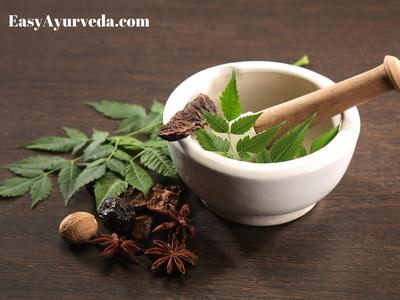
Khalwa yantra or pestle and mortar are used for bhavana process if the amount of drug could be very small.
However in greater pharmaceutical firms, edge runners, finish runners, and moist grinders are used for a similar.
Steady grinding is crucial, as interrupted grinding causes dryness of the fabric, which wants extra liquid in levitation.
Drying, Storage
The ultimate product of Bhavana needs to be dried both in daylight or within the shade. It may be dried as it’s or after making pallets. Completed merchandise needs to be saved in hermetic, dry and sterile circumstances. Containers needs to be nonreactive, particularly with the content material being saved in them.
Components Affecting Bhavana
· Proportion of substances
· Equipment used for grinding
· Length of Bhavana
· Environmental components resembling temperature, humidity, daylight and so on.
Variations in these components will have an effect on the Bhavana course of and will have an effect on the standard of the ultimate product.
Impact of Bhavana
A. Bodily Modifications
· Laborious materials turns mushy.
· Dimension of the particles will get lowered.
· Induction of hint parts.
· Improve in floor space
· Lower in bulk of formulation

B. Chemical Modifications
· Supplies bear chemical interplay
· Evaporation of chemical impurities
· Formulation of desired compound
C. Organic Modifications
· Improve within the absorption
· Improve in bio-assimilation
· Improve in bioavailability
· Improve of efficiency of the drug
· Nullifies toxicity of the drug
Significance of Bhavana
· To vary the therapeutic efficacy of drug
· To reinforce or management any pharmacological motion
· To extend sure results or normally possess Yogavahitva
· Elimination of substances normally having reverse traits
· Pharmaceutical processing
Precautions
(ii) Trituration or grinding needs to be steady and it needs to be continued till the attainment of Subhavita Lakshana (properly triturated) and the liquid media have to be combined properly.
(iii) After trituration, the fabric needs to be allowed for full drying.
After finishing the process, the fabric needs to be dried in daylight or could also be completed within the shade. After drying, the ultimate product needs to be saved in hermetic, dry, and sterile containers. Containers needs to be nonreactive, particularly with the content material being saved in them.
Examples
| Dravya | Bhavana Dravya |
| Suvarna (gold) | Nimbu swarasa (lemon juice), Matulunga swarasa, Snuhi ksheera |
| Rajata (silver) | Lakucha swarasa |
| Mandura (Iron oxide) | Triphala kwatha |
| Tamra (copper) | Lakucha swarasa |
| Vajra (diamond) | Lakucha swarasa |
| Pravala (Coral) | Kumari swarasa, Shatavari swarasa, Go dugdha, Jayanti swarasa |
| Naga (Lead) | Vasa patra svarasa |
| Tuttha (Copper sulphate) | Lakucha swarasa |
| Abhraka (Mica) | Eranda patra swarasa |
| Haratala (Orpiment) | Palasha twak kwatha |
| Shilajatu (Asphaltum) | Matulunga swarasa |
| Gairika (Purple ochre) | Go ksheera (Cow milk) |
| Vatsanabha (Aconite) | Go mutra (Cow urine) |
| Manashila (Realgar) | Lime water |
| Kasisa (Ferrous sulphate) | Nimbu swarasa, Bhringaraja swarasa |
| Anjana (Lead& Antimony ore) | Bhringaraj Swarasa |
| Hingula (Cinnabar) | Nimbu swasasa, Ardraka Swarasa, Lakucha Swarasa |
| Loha (Iron) | Kumari swarasa (Aloe vera juice) |
| Mukta (Pearl) | Ardraka swarasa (Ginger juice) |
| Vanga (Tin) | Kumari swarasa (Aloe vera juice) |
Bhavana Definition as per Rasa Tarangini
यच्चूर्णितस्य धात्वादे द्रवैः संपेष्य शोषणम् ।
भावनं तन्मतं विज्ञै भावना च निगद्यते ॥
(रसतरङ्गिणी, २/४९)
yaccūrṇitasya dhātvāde dravaiḥ saṃpeṣya śoṣaṇam |
bhāvanaṃ tanmataṃ vijñai bhāvanā ca nigadyate ||
(rasataraṅgiṇī, 2/49)
Triturating or grinding the powder of steel and so on. substances after including with liquid substances like water, decoction, contemporary juice and so on. until the liquid portion will get dried is called Bhavana.
Bhavana helps in reworking the basic qualities of a substance by addition of latest properties.
The medicinal qualities of the liquid are transferred to the bottom powders.
It helps in regulating the efficiency (Gunantara/ guṇāntara) of the substance which undergoes bhavana,
addition of latest properties (Gunadhana/guṇādhāna),
augmentation (Gunotkarsha/ guṇotkarṣa), or discount or elimination of undesired / toxic properties (Gunahani/ guṇahāni).
Necessities of Bhavana
Medicinal powders – Bhavita Dravya
Liquid media like water, contemporary juice, decoction and so on. – Bhavana Dravya
The quantity of liquid added ought to generate a mushy mass and hold the fabric moist throughout trituration.
If the character of liquids for Bhavana will not be specified, it needs to be equal or comparable in properties to powdered medicine and are chosen as per the specified therapeutic indications.
When Bhavana length will not be specified, then it needs to be carried out for 7 days other than mechanical procedures, like grinding and so forth. Every day of labor is taken into account as 8 hours.
Indicators of completion of Bhavana
To make sure the completion of the method, ‘subhavita lakshana’ needs to be fastidiously noticed.
On the finish of trituration, the combination needs to be mushy and superb in consistency and and if pressed, ought to flip right into a flat cake, and capsules may be made simply with out sticking to the fingers.
If these options are noticed, it’s indicative of correct trituration and suitability for medicinal preparation.
Gear
Khalwa yantra or pestle and mortar are used for bhavana process if the amount of drug could be very small.
However in greater pharmaceutical firms, edge runners, finish runners, and moist grinders are used for a similar.
Steady grinding is crucial, as interrupted grinding causes dryness of the fabric, which wants extra liquid in levitation.
Drying, Storage
The ultimate product of Bhavana needs to be dried both in daylight or within the shade. It may be dried as it’s or after making pallets. Completed merchandise needs to be saved in hermetic, dry and sterile circumstances. Containers needs to be nonreactive, particularly with the content material being saved in them.
Components Affecting Bhavana
· Proportion of substances
· Equipment used for grinding
· Length of Bhavana
· Environmental components resembling temperature, humidity, daylight and so on.
Variations in these components will have an effect on the Bhavana course of and will have an effect on the standard of the ultimate product.
Impact of Bhavana
A. Bodily Modifications
· Laborious materials turns mushy.
· Dimension of the particles will get lowered.
· Induction of hint parts.
· Improve in floor space
· Lower in bulk of formulation
B. Chemical Modifications
· Supplies bear chemical interplay
· Evaporation of chemical impurities
· Formulation of desired compound
C. Organic Modifications
· Improve within the absorption
· Improve in bio-assimilation
· Improve in bioavailability
· Improve of efficiency of the drug
· Nullifies toxicity of the drug
Significance of Bhavana
· To vary the therapeutic efficacy of drug
· To reinforce or management any pharmacological motion
· To extend sure results or normally possess Yogavahitva
· Elimination of substances normally having reverse traits
· Pharmaceutical processing
Precautions
(ii) Trituration or grinding needs to be steady and it needs to be continued till the attainment of Subhavita Lakshana (properly triturated) and the liquid media have to be combined properly.
(iii) After trituration, the fabric needs to be allowed for full drying.
After finishing the process, the fabric needs to be dried in daylight or could also be completed within the shade. After drying, the ultimate product needs to be saved in hermetic, dry, and sterile containers. Containers needs to be nonreactive, particularly with the content material being saved in them.
Examples
| Dravya | Bhavana Dravya |
| Suvarna (gold) | Nimbu swarasa (lemon juice), Matulunga swarasa, Snuhi ksheera |
| Rajata (silver) | Lakucha swarasa |
| Mandura (Iron oxide) | Triphala kwatha |
| Tamra (copper) | Lakucha swarasa |
| Vajra (diamond) | Lakucha swarasa |
| Pravala (Coral) | Kumari swarasa, Shatavari swarasa, Go dugdha, Jayanti swarasa |
| Naga (Lead) | Vasa patra svarasa |
| Tuttha (Copper sulphate) | Lakucha swarasa |
| Abhraka (Mica) | Eranda patra swarasa |
| Haratala (Orpiment) | Palasha twak kwatha |
| Shilajatu (Asphaltum) | Matulunga swarasa |
| Gairika (Purple ochre) | Go ksheera (Cow milk) |
| Vatsanabha (Aconite) | Go mutra (Cow urine) |
| Manashila (Realgar) | Lime water |
| Kasisa (Ferrous sulphate) | Nimbu swarasa, Bhringaraja swarasa |
| Anjana (Lead& Antimony ore) | Bhringaraj Swarasa |
| Hingula (Cinnabar) | Nimbu swasasa, Ardraka Swarasa, Lakucha Swarasa |
| Loha (Iron) | Kumari swarasa (Aloe vera juice) |
| Mukta (Pearl) | Ardraka swarasa (Ginger juice) |
| Vanga (Tin) | Kumari swarasa (Aloe vera juice) |

Article by Dr Sudarshan CH
Associated
[ad_2]









Leave a Reply