
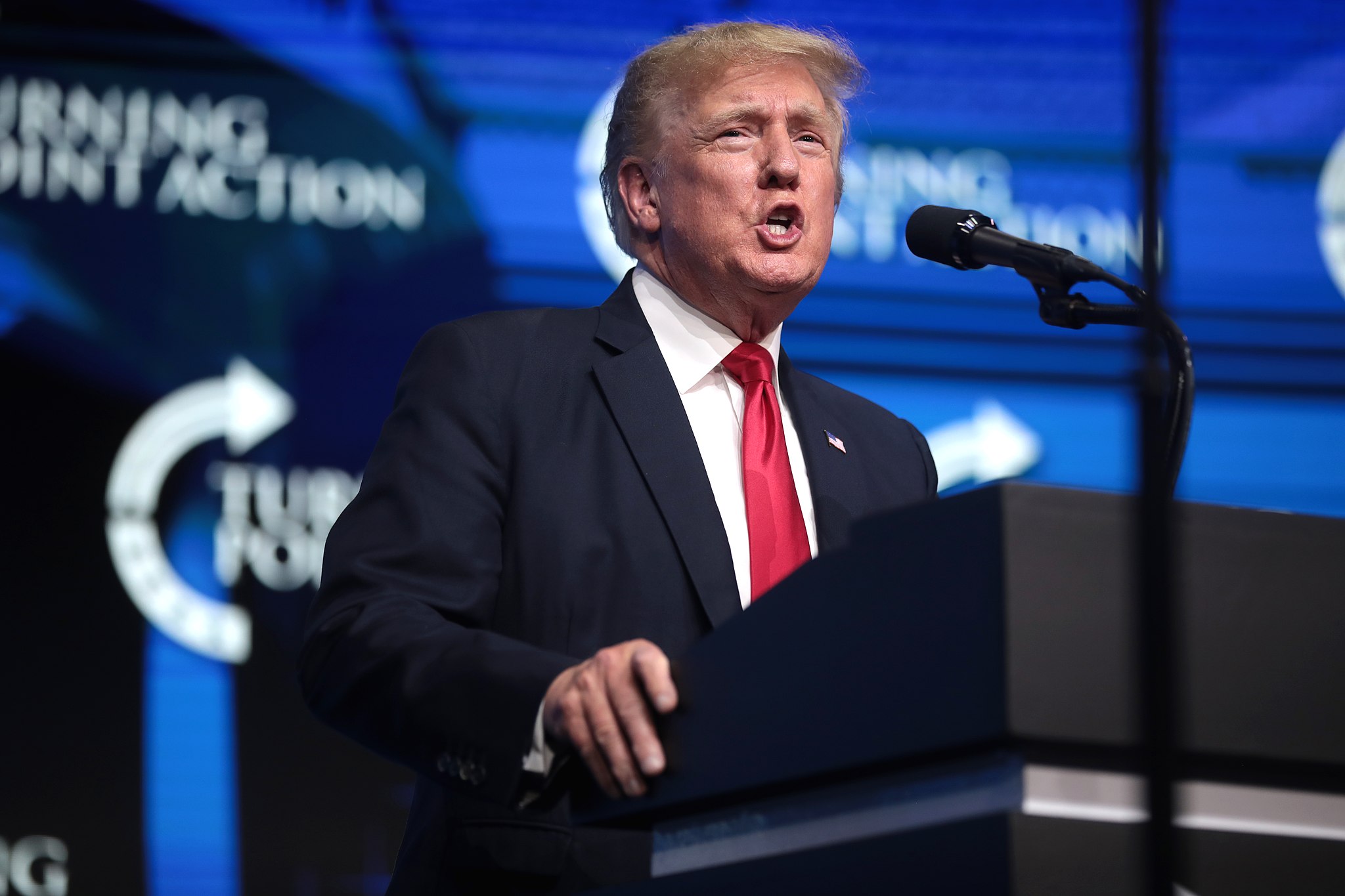
Tensions couldn’t be higher.
A leading House Republican is drawing attention after publicly criticizing members of his own party over one of the GOP’s highest-profile election proposals, highlighting growing divisions among Republicans as Congress debates election security ahead of the 2026 midterm elections.
Representative James Comer delivered his strongest comments yet during an appearance on Fox News’ The Big Weekend Show, expressing frustration that the SAVE Act has repeatedly stalled in the Senate despite receiving strong backing from House Republicans and President Donald Trump.
Comer questioned why some Republican senators have not supported advancing the legislation, arguing that lawmakers should not fear political consequences for voting in favor of election integrity measures.
He said senators unwilling to support voter identification requirements should reconsider whether they belong in the Senate, describing the opposition as difficult to understand given what he believes is broad public support for the proposal.
The remarks came after Fox News host Joey Jones asked Comer for an update on the legislation’s prospects.
What Is the SAVE Act?
The SAVE Act has become one of the most closely watched election-related bills in Congress.
Supporters say the legislation is designed to strengthen confidence in federal elections by requiring individuals registering to vote in federal elections to provide proof of U.S. citizenship and government-issued identification. The proposal would also make significant changes to absentee and mail-in voting rules by limiting eligibility to certain groups, including military personnel, Americans with qualifying disabilities or illnesses, and voters who are traveling during an election.
Backers argue these changes would improve election integrity and help prevent voter fraud.
Critics, however, contend that additional documentation requirements could create obstacles for some eligible voters and have raised concerns that limiting mail voting could reduce voter participation in certain communities.
The debate has made the SAVE Act one of the most discussed election security proposals in Washington.
Why the Bill Has Stalled
Although House Republicans approved the legislation, the proposal has struggled to gain enough support in the Senate.
Last month, Republican Senators Susan Collins, Lisa Murkowski, Thom Tillis, and Mitch McConnell joined Democrats in opposing the measure, preventing it from moving forward.
The vote underscored divisions within the Republican Party over how election laws should be changed and what legislation has the best chance of becoming law.
Comer Questions Senate Support
During the interview, Comer said he has heard Senate leaders argue that the legislation currently lacks enough votes to pass.
However, he expressed skepticism that the bill cannot even secure support from a majority of Republican senators.
His comments surprised the show’s hosts, with Joey Jones reacting audibly as Comer continued criticizing members of his own party.
The exchange quickly gained attention because it represented one of the strongest public criticisms by a House Republican directed at GOP senators over the issue.
Polls Show Strong Public Interest
Comer also pointed to polling that he believes demonstrates broad public support for voter identification requirements.
He cited survey results indicating that large majorities of Republican voters—and a significant majority of Democratic voters—favor requiring identification when casting ballots. While polling on specific election policies can vary depending on how questions are asked, voter identification has consistently ranked among the more widely supported election security proposals in national surveys.
Supporters argue these measures help increase public confidence in election outcomes, while opponents say existing safeguards already protect election integrity and caution against policies they believe could unintentionally affect eligible voters.
What’s Next?
President Trump has repeatedly called on Congress to pass the SAVE Act before the 2026 midterm elections, making it one of his administration’s legislative priorities.
Whether Senate leaders can assemble enough support remains uncertain.
For now, the legislation continues to face significant procedural hurdles, and negotiations are expected to continue as lawmakers debate the future of federal election policy.
As Congress revisits election security, voter identification requirements, proof of citizenship, and mail-in voting rules, the outcome of the SAVE Act could become one of the most closely watched legislative battles leading into the next national election cycle.




Leave a Reply