
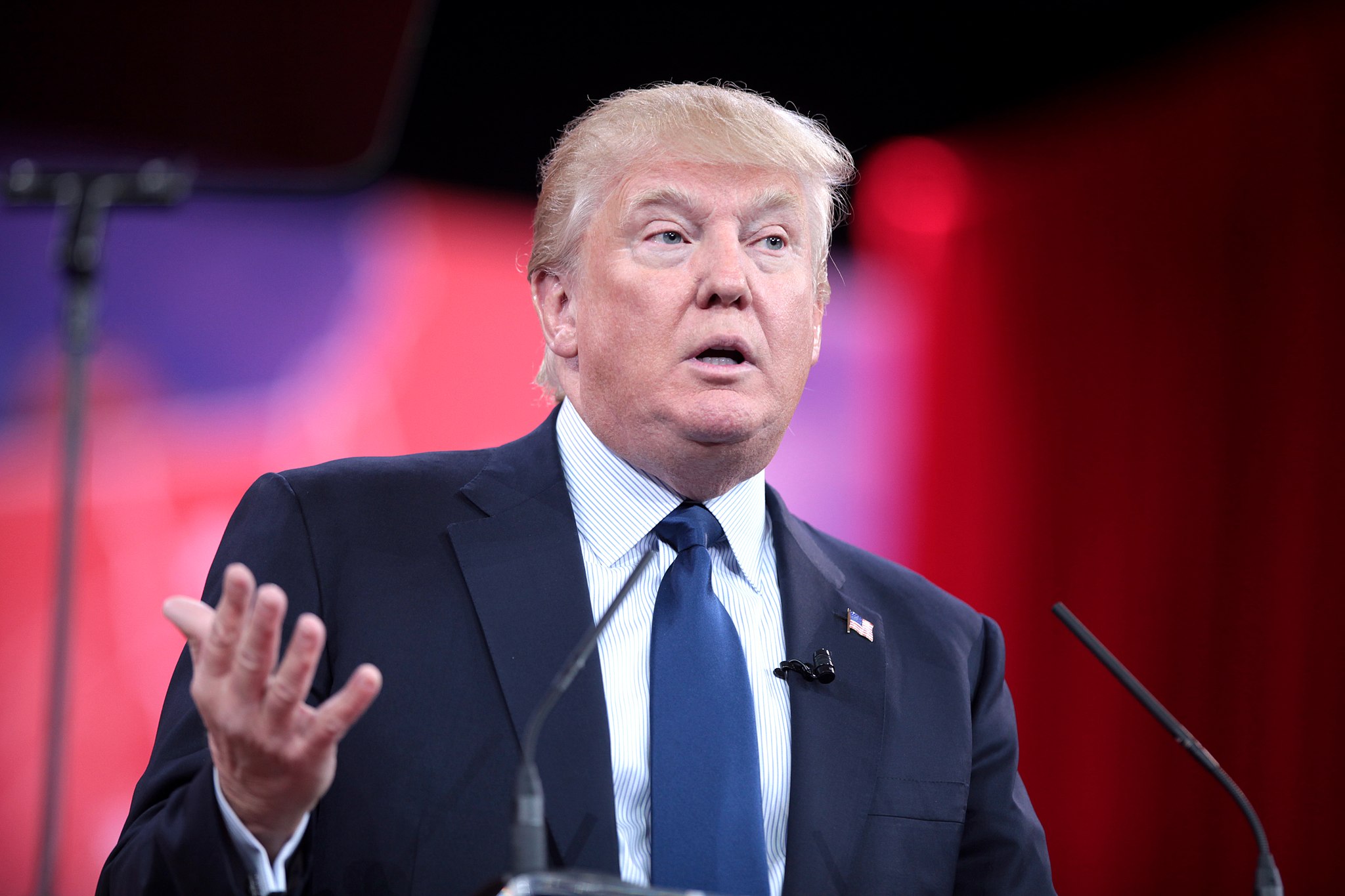
Is Trump’s MAGA Base cracking?
President Donald Trump’s newly announced agreement with Iran is drawing mixed reactions from voters across the political spectrum, including many of his most loyal supporters.
A new CBS News poll suggests that while most Republicans favor ending the conflict and moving toward diplomacy, there is less agreement over whether the deal itself is a win for the United States. The findings highlight growing debate within conservative circles over foreign policy, military involvement overseas, and America’s long-term strategy in the Middle East.
The agreement, released last week, launches a 60-day negotiating period between Washington and Tehran aimed at addressing major issues such as Iran’s nuclear program, regional security concerns, and the future of key energy shipping routes.
As details continue to emerge, voters and lawmakers are weighing the potential benefits and risks of the deal.
Poll Shows Divided Views Among Trump Supporters
According to the CBS News survey, 56% of self-identified MAGA voters believe the United States should end the conflict with Iran now, while 44% support continuing pressure until Iran agrees to additional concessions.
Among Republicans overall, support for ending the conflict is even stronger. The poll found that 60% favor bringing the dispute to a close, while 40% would prefer to continue applying pressure in hopes of securing a tougher agreement.
The results suggest that many Republican voters want stability and an end to the conflict, but opinions differ on whether the current agreement delivers the best outcome for American interests.
Is the Deal Good for the United States?
The survey also asked voters whether they believe the agreement favors the United States or Iran.
Among MAGA supporters, 47% said the deal benefits the United States more, while 41% described it as roughly equal for both countries. Another 12% said Iran appears to gain more from the arrangement.
Republicans as a whole were more divided. Only 39% said the deal favors America, while 42% believe both sides benefit about equally. Another 19% think Iran may receive greater advantages.
The findings indicate that many voters remain uncertain about the long-term impact of the agreement and are waiting to see how negotiations unfold over the coming weeks.
Why the Iran Agreement Matters
The deal is significant because it could reshape U.S. relations with Iran after years of tensions, sanctions, and military confrontations.
One of the agreement’s goals is to create a framework for continued negotiations while reducing the risk of a wider regional conflict. Supporters argue that diplomacy could improve stability, lower risks to global energy supplies, and prevent further military escalation.
Critics, however, question whether the agreement gives Iran too much flexibility while providing insufficient guarantees regarding its nuclear ambitions and regional activities.
The debate has quickly become one of the most closely watched foreign policy discussions of the year.
The Strait of Hormuz Remains a Major Concern
One of the most controversial aspects of the agreement involves the future administration of the Strait of Hormuz.
The strategically important passage serves as a vital route for international energy transportation, carrying a large share of the world’s oil exports each day. As a result, any interruption to traffic in the area can have an immediate impact on fuel costs and financial markets worldwide.
Under the proposed framework, Iran and Oman would participate in discussions regarding the future management of the Strait.
Supporters say the arrangement could help improve regional cooperation and reduce tensions. Critics argue that any changes involving such a critical shipping route deserve close scrutiny.
Conflicting reports have also emerged regarding activity in the Strait. While U.S. officials have maintained that shipping remains open and commercial traffic continues to move through the area, Iranian military officials have claimed restrictions were necessary after what they described as violations of previous commitments.
Shipping data has continued to show vessels moving through the route, although investors and energy markets remain sensitive to developments.
Energy Prices Are on Voters’ Minds
For many Americans, the biggest concern is not the diplomatic details but the potential impact on gasoline prices and the economy.
Energy costs remain a major issue heading into the 2026 midterm election cycle, and events in the Middle East often influence oil markets worldwide.
The CBS poll found that 42% of Americans expect gas prices to decline, while 35% believe prices will remain relatively unchanged. Another 23% expect prices to increase.
A stable Middle East and uninterrupted oil shipments through the Strait of Hormuz could help ease concerns about fuel costs, while renewed tensions could have the opposite effect.
Because of this, many voters are watching developments closely regardless of their political affiliation.
Republican Lawmakers Voice Concerns
The agreement has also generated debate among Republican lawmakers.
Some lawmakers argue the administration should have secured stronger concessions before easing pressure on Iran. Others support continued negotiations while maintaining a cautious approach.
The disagreement reflects a broader conversation within the Republican Party over how aggressively the United States should engage in foreign conflicts and what role diplomacy should play in resolving international disputes.
While opinions differ, many lawmakers agree that preventing a larger regional conflict remains an important objective.
What Happens During the Next 60 Days?
The memorandum of understanding begins a 60-day negotiation period intended to address some of the most challenging issues between the two countries.
Following an initial round of discussions in Switzerland, Vice President JD Vance said Iran agreed to allow inspectors from the International Atomic Energy Agency to return and monitor key aspects of the country’s nuclear activities.
According to administration officials, both sides have also approved a roadmap intended to guide future negotiations.
The coming weeks will likely focus on nuclear oversight, regional security concerns, economic issues, and long-term diplomatic arrangements.
Whether those talks ultimately succeed could determine the future direction of U.S.-Iran relations for years to come.
Americans Remain Skeptical
The survey found that 66% of Americans believe the administration reached the agreement because it wants the conflict to end, while 34% believe officials feel U.S. objectives have already been achieved.
At the same time, public approval of Trump’s handling of Iran remains divided. The poll found that 36% approve of his approach, while 64% disapprove.
Those numbers underscore the challenges facing policymakers as they attempt to balance national security concerns, economic pressures, and public opinion.
The Bottom Line
The new Iran agreement has opened a fresh debate about diplomacy, military strategy, energy security, and America’s role in the Middle East.
While many Republicans and MAGA supporters support ending the conflict, polling suggests there is less consensus on whether the agreement itself represents the best path forward.
With negotiations now underway and energy markets watching closely, the next 60 days could prove critical in determining whether the deal becomes a lasting diplomatic breakthrough or another chapter in the long-running tensions between Washington and Tehran.
The CBS News/YouGov poll was conducted June 17-19, 2026, among 2,519 U.S. adults and carries a margin of error of plus or minus 2.4 percentage points.





Leave a Reply