
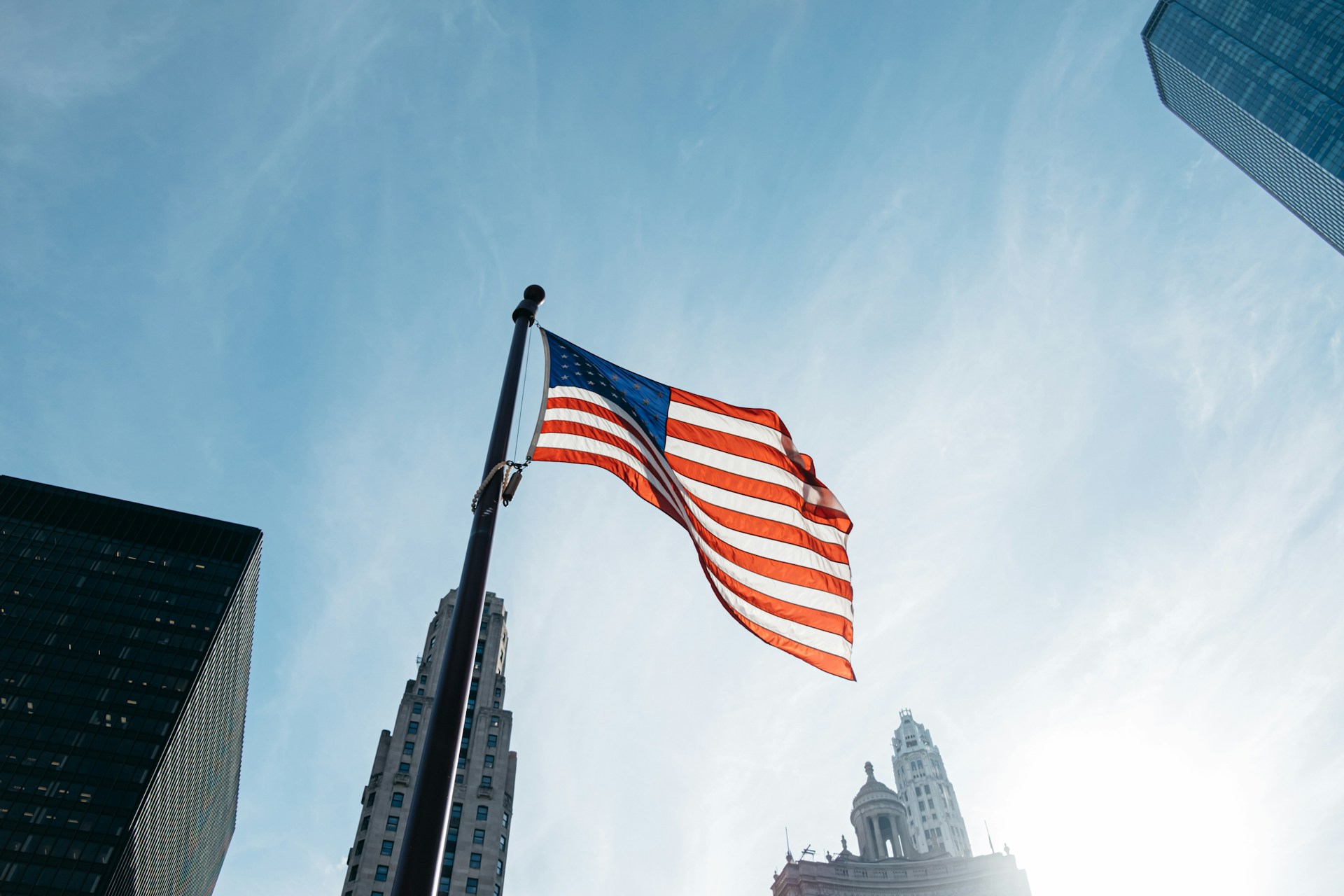
Here’s what Trump is claiming.
President Donald Trump sparked widespread discussion on social media Friday after sharing an image that he described as a new design for the United States passport. Alongside the image, Trump wrote, “Welcome, but be good,” prompting questions because those words do not actually appear on the passport shown in the post.
The image quickly attracted attention online as users examined the proposed passport design and debated whether it represented an official government update or simply a concept. While the redesigned passport features new artwork and an image of Trump on one of the interior pages, many observers noticed that the phrase highlighted by the president is absent from the document itself.
The post also raised another question about the wording. U.S. passports are issued to American citizens and certain U.S. nationals as proof of identity and citizenship for international travel. Messages welcoming visitors are generally associated with visas or immigration documents issued to foreign nationals rather than passports carried by U.S. citizens.
The passport image shared by Trump includes several redesigned security pages and artwork intended to reflect American history and national symbols. One interior page features an image of the president leaning forward with both hands resting on a table, a detail that immediately stood out to many viewers.
LOOK:
🚨 NOW: President Trump unveils EPIC new US passport for patriots
— Eric Daugherty (@EricLDaugh) June 26, 2026
Cue the meltdowns!
“The U.S.A.’s New Passport, which says, “Welcome, but be good!” President DJT” 🇺🇸 pic.twitter.com/eI4nw1lHNv
The social media post comes just months after reports that the U.S. State Department was exploring a significant redesign of the American passport. Earlier concept images reported this spring featured a different portrait of Trump based on his second inaugural photograph. The newly shared version appears to use a different image and layout, suggesting it may not be the same design previously discussed.
Although the State Department periodically updates passport designs to improve security features and combat counterfeiting, any major redesign typically includes enhanced printing technology, new artwork, and updated security elements while maintaining the document’s primary purpose of identifying U.S. travelers.
Trump’s latest post also fits within a broader pattern of branding and visual changes that have occurred during his second term in office. Since returning to the White House, his name or likeness has appeared on several government-related initiatives, drawing praise from supporters and criticism from opponents.
Among the most widely discussed examples has been the John F. Kennedy Center for the Performing Arts in Washington, D.C. A legal dispute over signage at the venue resulted in a court order directing that Trump’s name be removed from part of the building. Workers later completed the removal after temporarily covering the area from public view.
Trump’s name or image has also appeared on materials connected to the U.S. Institute of Peace, national park passes, and banners displayed at several federal buildings throughout Washington, including the Department of Justice, the Department of Labor, and the Department of the Interior.
The president has also spoken publicly about future military projects. Last year, Trump announced plans to name a class of U.S. Navy battleships after himself and said he hoped to contribute ideas to their overall appearance. During the announcement, he remarked that the Navy would oversee the design process while working alongside American industry partners, adding that he considered himself someone with a strong interest in aesthetics.
At this point, it remains unclear whether the passport image posted by Trump represents an official design approved for future production, an early concept under consideration, or simply a promotional illustration. No formal announcement confirming a new passport featuring the shared artwork has been released.
Even so, the post generated significant interest across social media platforms, where users focused on both the redesigned appearance of the passport and the unexplained reference to the phrase, “Welcome, but be good.” Because the wording does not appear on the document itself, many continue to speculate about what Trump intended and whether the message was meant to describe a broader vision for U.S. travel and immigration policy rather than the passport design alone.
As discussions continue, the image has added another chapter to the ongoing conversation surrounding government branding, official documents, and how presidential messaging increasingly shapes public attention in the digital age.

Leave a Reply