
Here’s what Americans can expect to see.
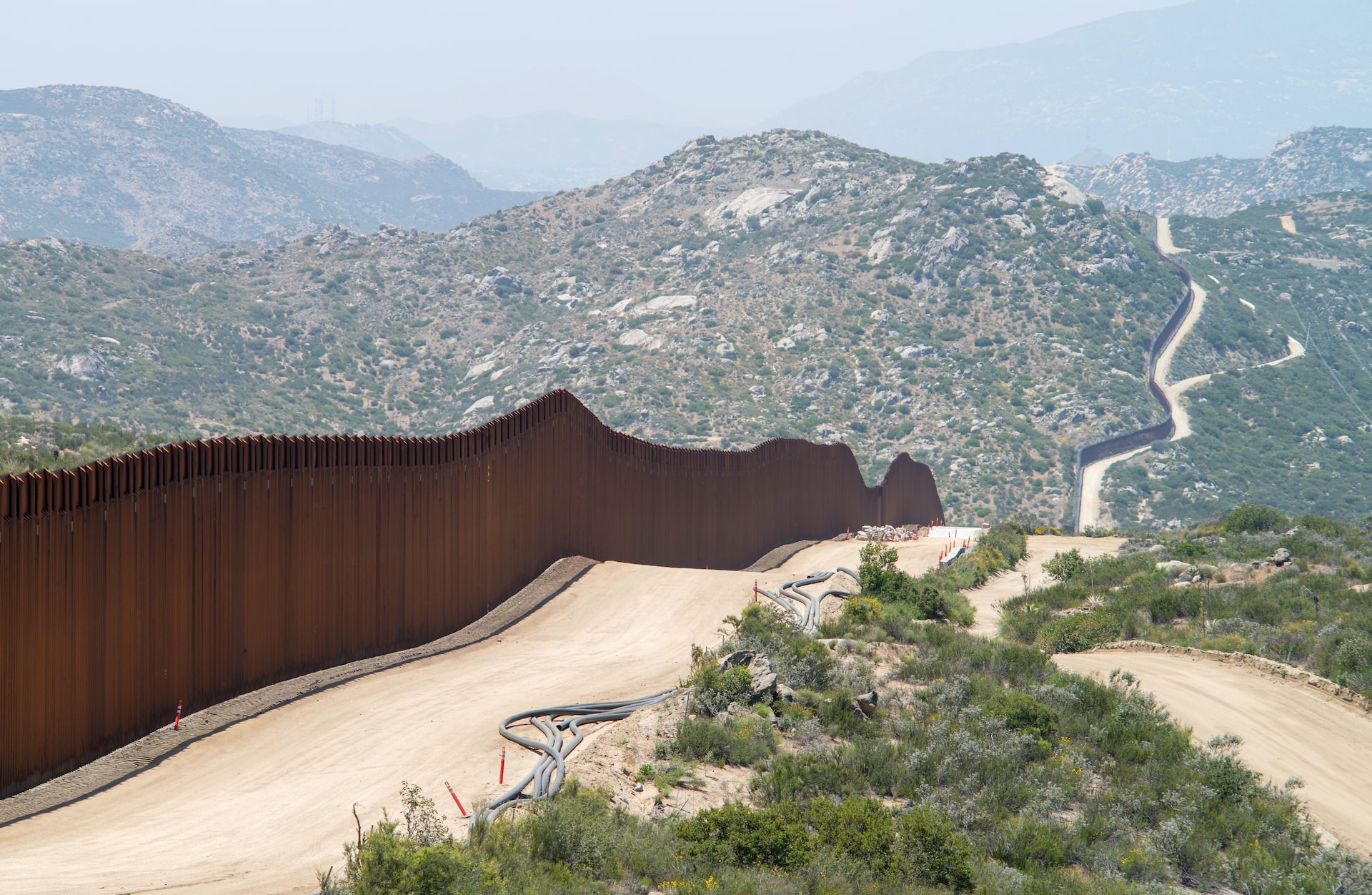
The Trump administration is significantly expanding construction along the U.S.-Mexico border with a new generation of border security infrastructure that combines towering steel fencing with advanced surveillance technology. Officials describe the project as a “smart wall,” designed to strengthen border enforcement by integrating physical barriers with artificial intelligence, cameras, sensors, radar systems, and autonomous monitoring towers.
The upgraded system marks one of the largest federal investments in border security in recent years. Supporters argue it will improve operational efficiency and help Border Patrol agents respond more quickly to illegal crossings, while critics question the overall cost, privacy implications, and long-term effectiveness of the technology.
With billions of dollars now committed to the initiative, the project is expected to remain one of the most closely watched immigration and national security efforts in the United States.
What Is Trump’s “Smart Wall”?
Unlike earlier border barriers that relied primarily on steel fencing, the latest version combines traditional infrastructure with sophisticated surveillance technology designed to monitor activity around the clock.
The system includes:
- 30-foot-tall steel border fencing
- Artificial intelligence-powered surveillance towers
- High-definition cameras
- Motion detection sensors
- Radar systems
- Underground fiber-optic detection cables
- Mobile surveillance vehicles
- Ground sensors and trail cameras
- Enhanced patrol roads and border lighting
Federal officials say these technologies allow Border Patrol agents to detect movement across remote stretches of the border and respond more efficiently to potential crossings.
According to Customs and Border Protection Commissioner Rodney Scott, the physical barrier is only one part of the broader security strategy.
“It’s a smart wall. It’s not just a barrier,” Scott told lawmakers during recent congressional testimony, explaining that technology helps maximize the effectiveness of Border Patrol personnel.
Congress Provides Billions for Border Security
A major funding package approved by Congress has provided approximately $46 billion for continued border wall construction and security improvements.
That funding allows Customs and Border Protection to award new construction contracts while expanding surveillance infrastructure across the southern border.
Officials say construction crews are currently completing roughly six miles of new wall each week, making it one of the fastest periods of border wall expansion since the project first began.
Administration officials have indicated that additional sections are expected to be completed over the coming year.
Border Security Strategy Shifts Toward Technology
The project reflects a broader shift in how border security is managed.
Instead of relying solely on physical barriers or vehicle patrols, the federal government increasingly uses technology to monitor large areas continuously.
Many of the newest surveillance towers operate autonomously, scanning surrounding terrain with cameras, infrared imaging, radar, and artificial intelligence. When unusual activity is detected, the systems automatically notify Border Patrol agents.
Supporters say this allows agents to spend more time responding to incidents rather than constantly monitoring surveillance screens.
The autonomous systems are also capable of distinguishing between vehicles, wildlife, and individuals, helping reduce unnecessary responses while improving situational awareness.
Hundreds of Additional Miles Planned
Significant portions of the nearly 2,000-mile U.S.-Mexico border already contain fencing or natural barriers.
Since President Trump returned to office, Customs and Border Protection has added dozens of miles of new wall while planning hundreds of additional miles over the coming years.
Officials say approximately 535 miles of the border will remain without large steel fencing because mountains, deserts, rivers, and rugged terrain already provide substantial natural obstacles.
Instead, these areas will rely heavily on surveillance towers, ground sensors, radar systems, and artificial intelligence.
Existing sections of the border wall are also being upgraded with improved lighting, expanded patrol roads, additional cameras, and modern detection equipment.
Along portions of the Rio Grande in Texas, floating barrier systems are also being deployed to discourage illegal crossings and disrupt smuggling operations.
Artificial Intelligence Plays a Larger Role
Artificial intelligence has become one of the most significant additions to the border security system.
Modern surveillance towers continuously analyze video feeds, radar information, and sensor data without requiring constant human oversight.
Underground fiber-optic cables detect vibrations and movement beneath the surface, even through forests, riverbanks, and difficult terrain. AI software processes that information and alerts nearby agents whenever suspicious activity is detected.
Congress has directed Customs and Border Protection to continue expanding autonomous surveillance technology, including dozens of additional AI-powered towers.
Officials say the goal is to create a more efficient border security network while allowing agents to focus on enforcement rather than manual monitoring.
Privacy and Civil Liberties Debate Continues
While supporters view the technology as an important security tool, privacy advocates continue raising concerns about expanding government surveillance near the border.
Civil liberties organizations argue that widespread monitoring could affect residents living in border communities and may encourage migrants to attempt more dangerous crossing routes.
Some property owners have reported discovering surveillance equipment near or on private land, while advocacy groups have called for greater transparency regarding where monitoring systems are installed.
Technology experts have also encouraged ongoing oversight of artificial intelligence systems to reduce the possibility of errors, false identifications, or unintended bias.
Questions About Cost and Taxpayer Value
The project’s multibillion-dollar price tag has also drawn scrutiny.
Government spending watchdog organizations say they support stronger border security but want more independent evaluations of the technology to ensure taxpayers receive good value for the investment.
Some groups point to previous federal border technology initiatives that experienced budget overruns and technical challenges as reasons for continued oversight.
Customs and Border Protection says the current program includes accountability measures and oversight procedures designed to monitor spending and project performance.
Environmental Concerns Influence Construction
Environmental organizations and local residents have also expressed concerns about construction in environmentally sensitive regions.
In parts of Texas, particularly around Big Bend, officials have revised some plans after public feedback.
Rather than constructing continuous steel barriers in certain protected areas, Customs and Border Protection says it plans to use a combination of vehicle barriers, patrol roads, and surveillance technology.
Some residents remain concerned about increased lighting, infrastructure development, and potential effects on wildlife habitats and scenic landscapes.
Why This Story Matters
The upgraded border wall represents more than additional fencing. It reflects a broader transformation in how the United States approaches border security by combining physical infrastructure with advanced surveillance technology.
Supporters believe the system will strengthen border enforcement, improve operational efficiency, and help Border Patrol agents respond more effectively to illegal crossings.
Critics continue to question the project’s cost, privacy implications, environmental impact, and expanding use of artificial intelligence.
As construction continues and billions of dollars are invested, the “smart wall” is likely to remain at the center of national discussions about immigration policy, border security, government spending, and the role of emerging technology in law enforcement.






Leave a Reply