
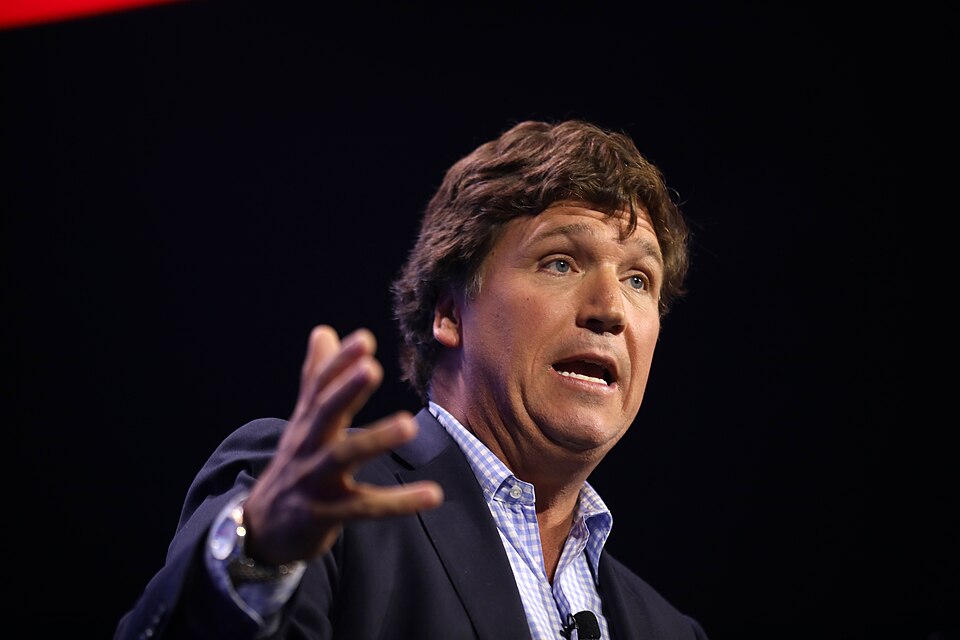
Could Tucker Carlson be preparing for a presidential run in 2028?
That question is generating fresh discussion after a spirited debate between Megyn Kelly and political analyst Mark Halperin over whether the former Fox News host would ever launch a campaign—or even help create a new third party.
The speculation comes as Carlson has become increasingly vocal about several issues, including U.S. foreign policy, the war involving Iran, and the direction of the Republican Party. While Carlson has not announced any plans to seek public office, recent comments from political figures and media personalities have fueled renewed interest in his political future.
Is Tucker Carlson Considering a 2028 Presidential Campaign?
During an episode of The Megyn Kelly Show, Kelly and Halperin offered sharply different opinions on Carlson’s political ambitions.
Halperin dismissed the idea that Carlson would seriously pursue the White House, arguing that the odds of him mounting a credible presidential campaign are extremely low.
According to Halperin, while Carlson remains one of the most recognizable conservative commentators in America, building a successful national campaign would require far more than media influence.
Kelly wasn’t convinced.
She suggested that Carlson’s growing frustration with what he sees as the direction of parts of the Republican Party could make a presidential bid more realistic than many observers believe.
Although Kelly acknowledged she has not spoken directly with Carlson about his intentions, she said she believes his dissatisfaction with recent political developments could lead him to seriously consider entering the race.
Third-Party Rumors Continue to Grow
Adding to the speculation are ongoing discussions surrounding the possibility of a new political movement outside the traditional two-party system.
Former National Counterterrorism Center Director Joe Kent has previously indicated that Carlson has been encouraged by some allies to consider becoming a presidential candidate if a new party is ultimately formed.
Rep. Marjorie Taylor Greene has also been linked to conversations involving an alternative conservative political movement focused on issues such as foreign policy, government accountability, and the future of the America First agenda.
At this time, however, no formal third-party organization has been announced, and Carlson has not confirmed any plans to participate in one.
Why Launching a Third Party Is So Difficult
Halperin argued that even if Carlson wanted to run outside the Republican Party, the practical challenges would be enormous.
Creating a viable national political party requires meeting ballot-access requirements in every state, raising significant amounts of money, building campaign organizations across the country, recruiting volunteers, and navigating complex election laws.
Those hurdles have historically prevented most third-party candidates from becoming major contenders in presidential elections.
Halperin suggested that assembling the necessary infrastructure would be far more difficult than generating headlines or attracting online attention.
Could Carlson Influence the 2028 Election?
While Halperin questioned Carlson’s chances of mounting a successful campaign, Kelly argued that a presidential run wouldn’t necessarily need to end in victory to have a major political impact.
She suggested that Carlson’s popularity among many conservative voters could allow him to attract millions of votes if he decided to run.
A strong third-party showing, she argued, could reshape the dynamics of the 2028 election and potentially affect the Republican nominee’s path to victory.
Halperin acknowledged that if Carlson somehow secured nationwide ballot access and qualified for televised presidential debates, the political consequences for Republicans could be significant.
At the same time, he expressed skepticism that Republican candidates would agree to participate in debates featuring Carlson if they had the ability to decline.
Debate Access Could Become a Major Issue
One of the key disagreements between Kelly and Halperin centered on presidential debates.
Kelly argued that changes in how debates are organized could make it easier for an independent or third-party candidate to participate in nationally televised events.
Halperin disagreed, maintaining that debate participation would remain a major obstacle for any outsider campaign.
Historically, debate qualification rules have presented significant challenges for independent candidates seeking national exposure during presidential elections.
Tucker Carlson Remains One of the Most Influential Conservative Voices
Regardless of whether he ever seeks elected office, Carlson continues to hold substantial influence within conservative politics.
His interviews and commentary regularly generate millions of views online, and his opinions often become major topics of discussion among Republican voters, lawmakers, and political commentators.
His recent criticism of several policy decisions has also attracted attention from both supporters and critics, fueling ongoing debate about his role in shaping the future of the conservative movement.
That influence is one reason speculation about his political future continues to receive widespread attention, even without an official campaign announcement.
Major Announcement Sparks New Speculation
Interest in Carlson’s future increased further after he announced that he would make a major announcement on his YouTube channel Wednesday evening.
The announcement immediately led to widespread speculation across social media, with some wondering whether Carlson planned to unveil a political initiative, discuss a new media project, or address rumors surrounding a possible presidential campaign.
As of now, Carlson has not publicly confirmed that his announcement is related to a presidential bid or the formation of a third party.
White House Responds
The White House responded to the growing speculation with a statement defending President Donald Trump and dismissing suggestions that a new political movement could weaken Republican support.
White House spokesperson Davis Ingle said President Trump remains the clear leader of the MAGA movement and emphasized the administration’s focus on maintaining Republican congressional majorities while continuing policies aimed at lowering costs for American families.
The statement also criticized Carlson, Greene, and others who have recently disagreed with the administration, describing them as former allies who overestimate their political influence.
What Happens Next?
For now, there is no official indication that Tucker Carlson intends to run for president in 2028.
The discussion remains largely speculative, driven by commentary from political analysts, media personalities, and public figures rather than by any formal campaign announcement.
Still, Carlson’s influence within conservative politics, combined with his willingness to challenge both Democrats and members of the Republican establishment, ensures that speculation about his future is unlikely to disappear anytime soon.
Whether he ultimately remains one of the nation’s most influential media voices or decides to enter electoral politics, Tucker Carlson will almost certainly continue to play a prominent role in conversations surrounding the future of the Republican Party and the 2028 presidential election.
As the political landscape evolves over the next two years, many voters will be watching closely to see whether Carlson’s growing influence remains behind the microphone—or eventually extends to the campaign trail.


Leave a Reply