
This isn’t sitting well with Americans.
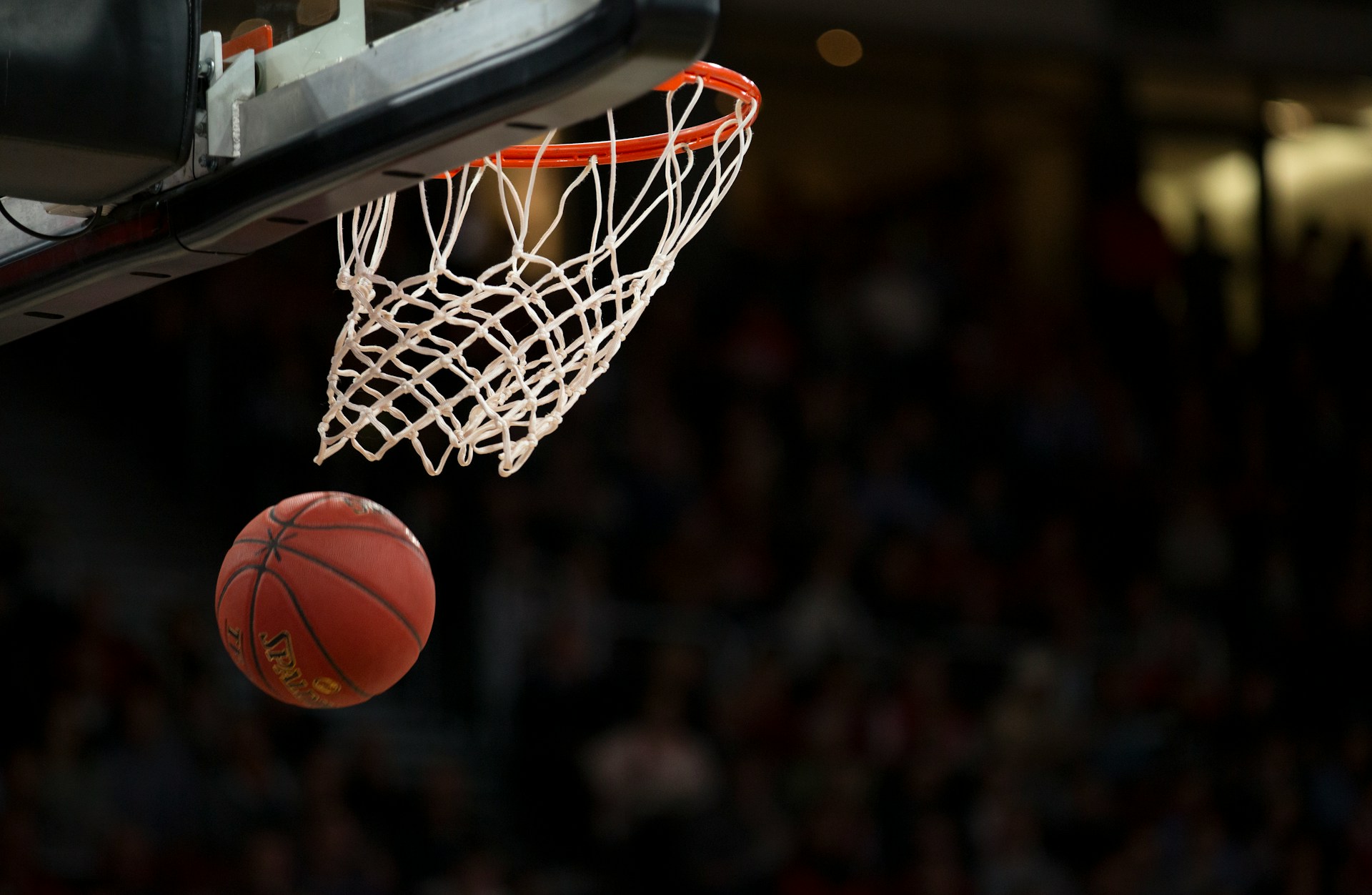
The NBA and WNBA are facing fresh criticism after two women’s basketball teams skipped the national anthem during the opening games of the WNBA Finals, raising serious questions about respect for American traditions and the league’s own published rules.
Making matters worse for league officials, the NBA reportedly declined to answer questions about the controversy, leaving fans without a clear explanation of the situation.
The incident has renewed a familiar debate in professional sports: Should athletes be expected to show respect during the national anthem, especially when representing leagues that depend on American fans for their success?
WNBA Teams Leave Court During National Anthem
The controversy began Saturday, October 17, when the Atlanta Dream and Golden State Valkyries faced each other in Game 1 of the 2026 WNBA Finals at Chase Center in San Francisco.
According to OutKick, both teams participated in pregame warmups before leaving the basketball court shortly before the national anthem.
Neither team was present on the floor during the performance of “The Star-Spangled Banner.”
The players returned shortly after the anthem concluded.
Two days later, the same situation unfolded before Game 2 on Monday, October 19.
Both teams again left the court before the anthem and returned immediately afterward.
For Americans who consider the national anthem a meaningful tribute to the country and those who have served in the military, the repeated absences have become a source of frustration.
The controversy has also raised questions about whether professional basketball officials are willing to address concerns from fans who value longstanding patriotic traditions.
NBA Leadership Remains Silent Amid Controversy
According to an October 21 report by OutKick, journalists attempted to obtain explanations from the WNBA, both participating teams, and NBA officials.
Their questions focused on why the players were absent, whether the league’s anthem policy remained in effect, and whether any action would be taken.
OutKick also contacted NBA Executive Vice President and Chief Communications Officer Mike Bass.
The outlet wanted to know whether NBA Commissioner Adam Silver or other league officials had discussed the situation with WNBA leadership.
Reporters also asked whether the teams had received exemptions from the published anthem requirements and whether players would be expected to appear during future performances.
The NBA did not respond before OutKick’s publication deadline.
Neither the WNBA nor the two teams had provided answers to the outlet’s repeated inquiries.
The unanswered questions have become an important part of the controversy.
For fans seeking clarity, a straightforward explanation from league leadership could help establish whether the situation involves an established team practice, a policy exemption, or a broader change in the WNBA’s expectations.
WNBA Rulebook Includes National Anthem Requirement
One of the most disputed aspects of the incident involves language contained in the WNBA’s 2026 official rulebook.
The published regulations direct players, coaches, and trainers to stand in designated areas during the national anthem.
However, the Associated Press reported on October 20 that enforcement of the requirement was suspended in 2017.
That distinction is important.
Although the language remains in the published rulebook, the suspension has allowed teams flexibility over whether players remain on the court.
The Associated Press also reported that leaving the court before the anthem has become a common practice for some WNBA teams.
Some have done so in connection with social justice concerns, while others have incorporated the practice into their regular pregame preparations.
The Golden State Valkyries and Atlanta Dream had followed similar routines before the championship series.
Consequently, the teams’ absences do not necessarily mean that they violated a currently enforced requirement.
Nevertheless, the situation raises questions about why the published rulebook continues to contain language that may not reflect the league’s actual practices.
NBA Previously Supported National Anthem Tradition
The NBA has previously emphasized the importance of maintaining the national anthem as part of its pregame ceremonies.
In February 2021, the league publicly reaffirmed its longstanding requirement that teams play the anthem before games.
That announcement followed controversy surrounding the Dallas Mavericks and their decision to stop playing the anthem at home games.
The NBA subsequently clarified that the national anthem would remain part of its traditional pregame presentation.
However, there is an important difference between requiring an arena to play the national anthem and requiring players to stand on the court while it is performed.
The current WNBA controversy centers on the second issue.
For fans who want professional basketball to maintain a visible display of respect for the flag, the distinction may not resolve their concerns.
But it does demonstrate why an explanation from league officials would be valuable.
National Anthem Controversy Raises Questions About Respect
For generations, the American national anthem has been one of the most recognizable traditions in professional sports.
Before basketball games, football contests, baseball matchups, and other major events, audiences traditionally stand as the anthem is performed.
For many Americans, that moment represents gratitude for the freedoms enjoyed throughout the country.
It also serves as an opportunity to remember veterans, active-duty military personnel, and the sacrifices made by previous generations.
That is why disagreements over the anthem frequently extend beyond the basketball court.
Supporters of athlete expression argue that players should have the freedom to decide how they participate in patriotic ceremonies.
Others believe professional athletes have a responsibility to demonstrate respect for national traditions, particularly while participating in events watched by millions of Americans.
Both perspectives have played a role in the national debate over sports and patriotism.
The challenge for league leadership is establishing clear expectations while recognizing that fans and players may view the ceremony differently.
Fans Deserve Clear Answers From Basketball Officials
The NBA’s relationship with the WNBA adds another dimension to the situation.
The NBA helped establish the women’s professional basketball league in 1996 and has maintained longstanding organizational and business ties with it.
That relationship explains why questions about the WNBA’s anthem practices have also been directed toward NBA officials.
While the leagues operate independently in important respects, their shared history makes questions about leadership and communication understandable.
The issue is not simply whether players should stand during the anthem.
It is also whether fans deserve a clear explanation of the rules and how they are applied.
If the WNBA no longer expects teams to remain on the court during the national anthem, league officials could formally clarify that position.
If the published requirement remains relevant, the league could explain the circumstances under which it applies.
Either approach would provide greater transparency.
Another Patriotism Debate Hits Professional Basketball
The latest controversy highlights an ongoing challenge facing professional sports organizations.
Basketball fans come from different generations, backgrounds, and political perspectives. They do not necessarily agree on how athletes should participate in patriotic ceremonies.
However, many share an expectation that sports leagues should communicate their policies clearly and apply them consistently.
The WNBA Finals have now drawn attention for events taking place before the opening whistle rather than solely for the competition itself.
And the NBA’s reported silence has left questions about the league’s position unanswered.
As the championship series continues, officials may face additional scrutiny over whether they intend to address the issue publicly.
For Americans who believe standing during the national anthem is a basic sign of respect, the controversy represents another example of how professional sports and patriotic traditions have become intertwined.
Others see the practice as an established form of player expression that the league has permitted for years.
The larger question is whether basketball leadership can provide the clarity that fans deserve.
Should NBA and WNBA players be required to stand for the national anthem, or should each team be allowed to make that decision?

Leave a Reply