
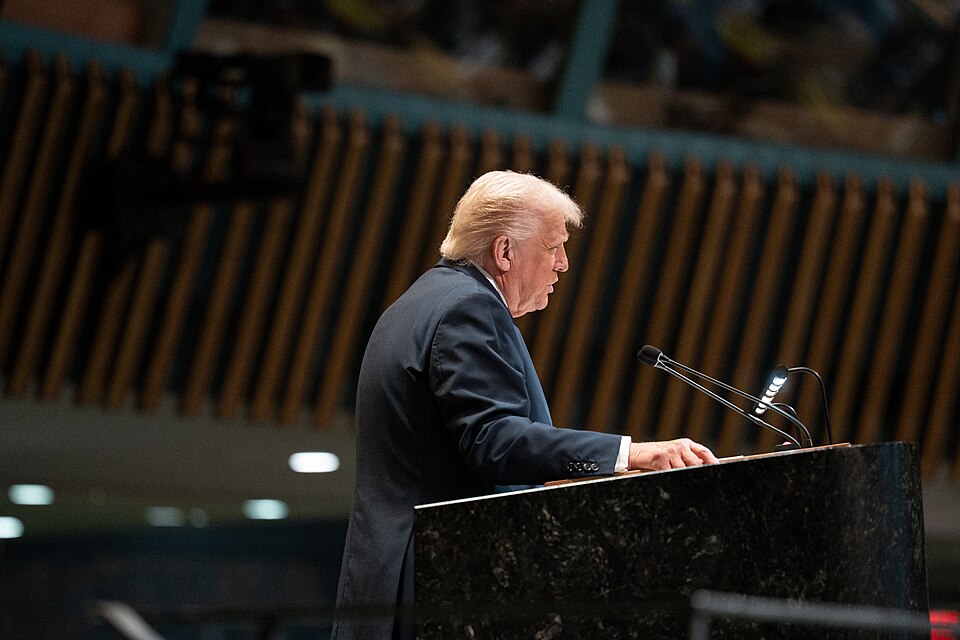
Here’s a major problem Trump needs to address fast.
President Donald Trump is confronting a growing political challenge ahead of the November 3 midterm elections, and it is coming from an unlikely place: America’s farming communities.
For years, farmers and rural voters have been among the Republican Party’s most reliable supporters. But rising diesel prices, expensive fertilizer, and mounting financial pressure are creating frustration in agricultural states where Republicans need strong voter turnout.
The White House has announced billions of dollars in agricultural assistance, but some farming advocates are questioning whether those measures will arrive soon enough to make a difference.
With control of Congress at stake, Republicans are facing an important question: Will financially frustrated farmers continue showing up at the polls?
Farmers Face Growing Financial Pressure
Running an American farm has become increasingly expensive, and many agricultural producers are struggling to maintain profitability.
Diesel fuel is essential for tractors, combines, irrigation systems, and transporting crops. Fertilizer is another major operating expense, particularly for farmers producing corn, wheat, and other staple commodities.
Both have become more expensive as international tensions and trade disputes place additional pressure on agricultural markets.
The ongoing conflict involving Iran has contributed to higher energy prices, while tariffs and trade uncertainty have complicated conditions for agricultural businesses.
According to reporting from The Hill, diesel prices have climbed to approximately $6.35 per gallon, placing an additional financial burden on producers during the busy harvest season.
An April survey released by the American Farm Bureau Federation found that 94 percent of participating farmers reported their financial circumstances had either worsened or remained unchanged compared with the previous year.
For family-owned farms, these pressures can be especially serious.
Unlike many other businesses, farmers cannot always pass higher expenses directly to customers. Crop prices fluctuate with global markets, leaving producers exposed when operating costs increase faster than revenues.
Republicans Face Unexpected Trouble in Farm States
The agricultural industry’s financial struggles are now becoming a political concern.
Republican candidates in Iowa, Kansas, Nebraska, and Ohio are navigating competitive elections while farmers demand greater attention to their economic problems.
These states have historically provided significant support for conservative candidates, making rural voter participation particularly important.
However, frustration does not necessarily mean farmers are abandoning the Republican Party.
Amy Frederiksen, a former Republican leader in Minnesota’s state Senate, told The Hill that many farmers remain strongly opposed to Democratic policies but are increasingly frustrated by the financial conditions affecting their businesses.
That distinction could become critical on Election Day.
Rather than switching parties, some dissatisfied agricultural voters may decide to stay home.
Even a relatively small decline in Republican turnout could have consequences in closely contested congressional races.
Trump Announces $8 Billion in Farmer Relief
The Trump administration has responded with several measures intended to ease the financial burden on agricultural producers.
During a recent campaign appearance in Kansas, Trump announced an $8 billion Harvest Fuel Relief Program.
The initiative is designed to provide one-time financial assistance to eligible farmers struggling with elevated diesel expenses during harvest season.
Vice President JD Vance also announced a $1.3 billion investment in domestic fertilizer production, including plans for two facilities in Nebraska.
The administration believes expanding American fertilizer production could help reduce reliance on foreign suppliers and strengthen the country’s agricultural supply chains.
Trump has also promoted increased access to tax-exempt agricultural diesel and expanded year-round availability of E15 gasoline, a fuel blend containing 15 percent ethanol.
The ethanol proposal is particularly significant for corn-producing states, where biofuel demand plays an important role in agricultural markets.
Together, these initiatives represent a substantial effort by the White House to demonstrate its commitment to American agriculture.
However, questions remain about how quickly farmers will experience meaningful savings.
White House Defends Trump’s Agricultural Record
The administration disputes suggestions that its policies have neglected rural America.
White House spokesperson Anna Kelly defended Trump’s agricultural agenda, arguing that farmers faced serious financial difficulties during former President Joe Biden’s administration.
Kelly pointed to the administration’s efforts to negotiate trade agreements, reduce operating expenses, strengthen agricultural protections, and provide tax relief.
The White House also emphasized policies intended to encourage private investment and economic development in rural communities.
Supporters of the administration argue that expanding domestic energy and fertilizer production could provide long-term benefits beyond immediate financial assistance.
However, some agricultural representatives say the industry’s problems require more than temporary relief.
Nick Levendofsky, director of the Kansas Farmers Union, expressed skepticism about the timing of the latest announcements, suggesting that assistance should have arrived earlier.
The disagreement illustrates a central challenge for Washington: Farmers need immediate financial stability, but many agricultural problems require long-term solutions.
Rural Voters Send a Warning About the Economy
Recent polling provides additional insight into the political situation.
A survey conducted by KFF and The Associated Press found that approximately 60 percent of rural voters disapproved of Trump’s handling of the economy.
The survey also found that 69 percent of rural voters considered the cost of living an extremely important issue for candidates to address.
Healthcare expenses, grocery prices, and gasoline costs were among the concerns affecting rural households.
But the findings contained some encouraging news for Republicans.
Rural voters continued to express greater confidence in Republicans than Democrats when asked which party could better handle rising living costs.
That suggests the GOP retains an important advantage even as economic dissatisfaction grows.
The greater uncertainty may involve voter enthusiasm.
When people become frustrated with economic conditions, they do not necessarily embrace the opposing party. Some may instead become less motivated to participate in an election.
For Republicans, that possibility represents a serious concern.
Could Farmer Frustration Affect Control of Congress?
Republicans have traditionally depended on strong margins in rural communities to offset Democratic advantages in many urban areas.
That political relationship remains significant heading into the 2026 midterms.
However, farming communities are not politically uniform. Agricultural producers differ in their views on trade, taxes, energy policy, and federal assistance.
Some believe Trump’s policies will ultimately strengthen American agriculture by expanding domestic production and improving trade arrangements.
Others worry that rising expenses and uncertainty surrounding international markets are threatening businesses that have remained in their families for generations.
Those concerns could influence voter participation in competitive states.
The White House is hoping its latest relief measures will reassure farmers that their economic difficulties are receiving attention.
Democratic candidates, meanwhile, are attempting to make affordability a central issue in the closing days of the campaign.
Neither party can assume that dissatisfied rural voters will respond in a predictable way.
What Happens Next?
With the November 3 elections approaching, Trump’s latest agricultural initiatives are facing an important political test.
The announced financial assistance could provide meaningful short-term support, but the longer-term outlook for American farming will depend on fuel prices, fertilizer availability, international trade, and agricultural market conditions.
Farmers remain a crucial part of the nation’s economy, producing food, supporting local businesses, and sustaining rural communities across the country.
Their concerns extend well beyond partisan politics.
For Republicans, the immediate challenge is determining whether economic frustration will weaken turnout among voters who have historically supported the party.
Trump still maintains significant support across rural America. But rising farming costs have created new uncertainty at a time when every competitive congressional race matters.
The election results could provide an early indication of whether the administration’s latest agricultural initiatives have reassured one of the Republican Party’s most important constituencies.





Leave a Reply