
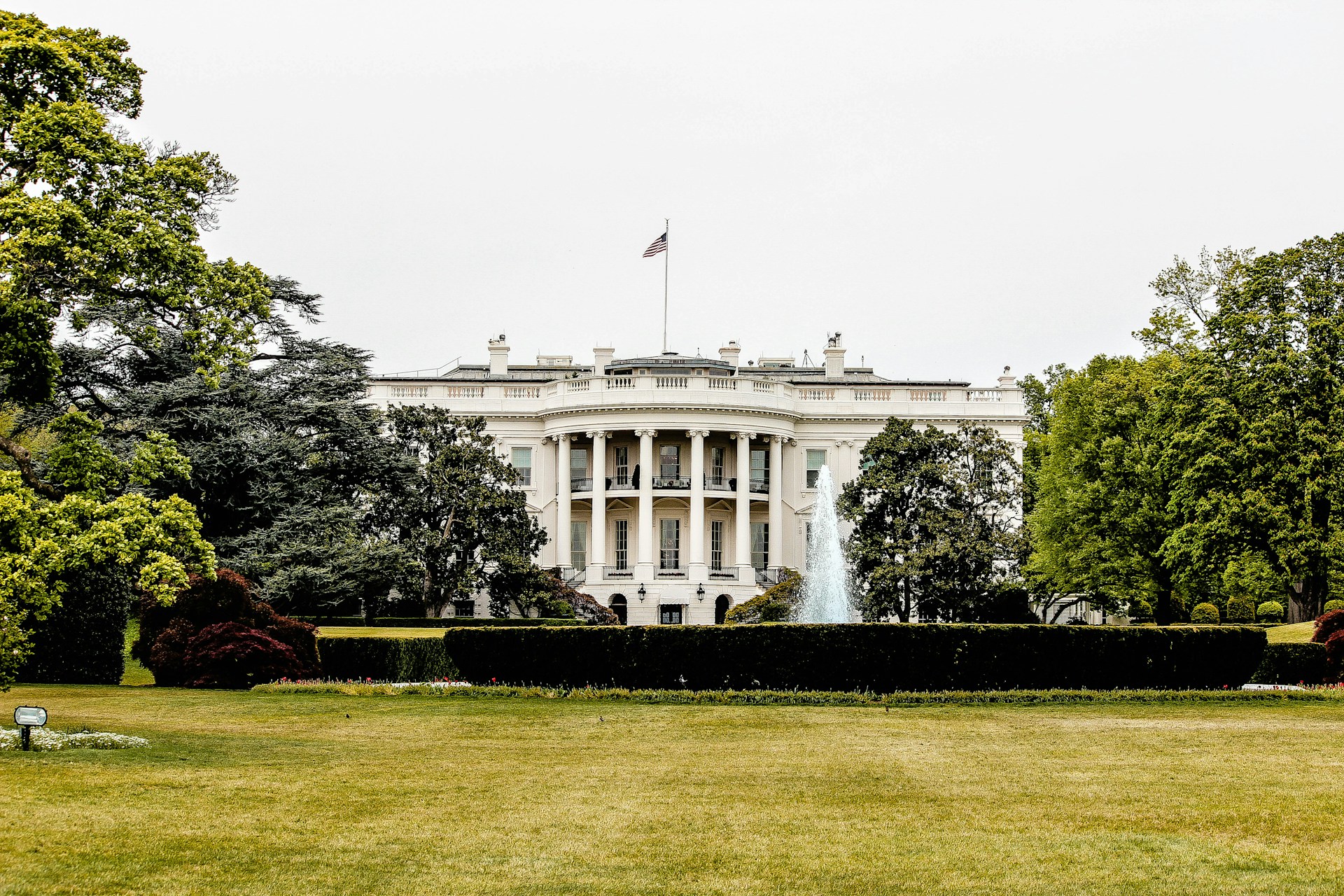
Wow! This was a swift victory. Trump and the GOP need to rally harder heading into 2028.
President Donald Trump suffered a significant political setback Tuesday night as one of his most outspoken Democratic opponents secured a major election victory in a state Republicans had hoped to reclaim.
Democratic Sen. Jon Ossoff won reelection in Georgia, defeating Trump-endorsed Republican Rep. Mike Collins in one of the most closely watched U.S. Senate races of the 2026 midterm elections.
The Associated Press called the race for Ossoff, delivering a disappointing result for Republicans who believed Georgia offered a valuable opportunity to defeat an incumbent Democrat.
However, the political implications could extend well beyond the Senate.
Ossoff’s victory is already fueling renewed discussion about his future in national politics, including speculation that he could eventually become a Democratic presidential contender in 2028.
For Trump and the Republican Party, the outcome highlights growing challenges in a state that supported the president just two years ago.
Trump-Endorsed Republican Falls Short In Georgia
Georgia was supposed to be one of the Republican Party’s most promising Senate opportunities heading into the midterm elections.
Trump carried the state during the 2024 presidential election, raising expectations that Republicans could build on that success and defeat Ossoff.
Instead, Democrats successfully defended a crucial Senate seat.
Ossoff was the only incumbent Democratic senator seeking reelection in a state that Trump won in 2024, making the contest particularly important to both parties.
Republicans entered the election hoping to demonstrate that Trump’s political influence could help deliver another statewide victory.
But Collins struggled to attract enough support to unseat the Democratic incumbent.
His defeat represents a setback for the Republican Party’s efforts to strengthen its position in Congress and underscores the difficulties candidates can face when attempting to appeal to both loyal party supporters and independent voters.
Trump’s Endorsement Wasn’t Enough To Save Collins
Trump personally backed Collins during Georgia’s competitive Republican primary, supporting the congressman over former college football coach Derek Dooley.
Dooley had received backing from Republican Gov. Brian Kemp, creating a high-profile divide over the party’s preferred Senate candidate.
Collins ultimately secured the Republican nomination, but his general election campaign encountered several difficulties.
The Georgia congressman, whose family operates a trucking business, faced scrutiny over controversial material associated with individuals in his political and personal circles.
Questions about those associations, along with a pending House ethics investigation, became issues during the campaign.
Collins also continued defending Trump’s allegations concerning the 2020 presidential election, a subject that remains politically divisive in Georgia.
Republicans had hoped Collins could unite the party while appealing to voters frustrated with Democratic leadership.
However, his campaign struggled to overcome Ossoff’s financial advantages and established statewide organization.
The result demonstrated that a presidential endorsement, even from a figure as influential as Trump, does not necessarily guarantee success in a competitive Senate election.
Ossoff Used His Opposition To Trump To Build Support
Throughout the campaign, Ossoff made criticism of the Trump administration a central part of his political message.
The Democratic senator repeatedly challenged the president over government accountability, economic policy and decisions made by federal officials.
He also emphasized concerns about the cost of living, an issue that has remained important to Americans dealing with household expenses, insurance premiums and financial uncertainty.
Ossoff’s campaign raised more than $100 million, providing substantial resources for advertising, voter outreach and campaign operations.
His financial advantage helped him maintain a strong presence throughout Georgia as Republicans attempted to build momentum behind Collins.
The senator also highlighted his work helping Georgia residents navigate federal agencies, secure assistance and address local concerns.
That emphasis on constituent services helped strengthen his reputation among voters beyond the Democratic Party’s traditional base.
While Ossoff’s criticism of Trump attracted considerable national attention, his campaign also focused on issues directly affecting Georgia families and communities.
Georgia Delivers Another Political Surprise
Georgia has become one of the nation’s most competitive political battlegrounds.
For years, Republicans dominated statewide elections and maintained substantial advantages across much of the state.
That political landscape began changing as Democrats made significant gains in Atlanta’s suburbs and other growing communities.
In 2021, Democrats Jon Ossoff and Raphael Warnock won separate Senate runoff elections, giving their party control of both Georgia Senate seats.
Warnock subsequently secured another term in 2022, despite a difficult contest against Republican Herschel Walker.
Trump’s victory in Georgia during the 2024 presidential election suggested Republicans still maintained a strong statewide presence.
But Ossoff’s 2026 victory demonstrates that Georgia voters remain willing to support candidates from different political parties depending on the election.
The latest results also raise important questions about Republican candidate recruitment, campaign messaging and the party’s ability to attract voters outside its traditional base.
With another major statewide election decided in favor of Democrats, Georgia is likely to remain a central battleground in future presidential and congressional contests.
Could Trump’s Political Rival Run For President In 2028?
Ossoff’s reelection has intensified speculation about whether the Georgia senator could eventually seek the Democratic presidential nomination.
At 39 years old, Ossoff has emerged as one of the party’s younger nationally recognized figures.
His ability to win reelection in a state Trump carried has strengthened his political reputation and attracted attention from Democrats searching for future national leaders.
Ossoff first gained widespread recognition during a closely watched congressional special election in 2017.
Although he lost that race, his campaign generated substantial national interest.
He returned to the political spotlight in 2021 after winning his first Senate election.
Since arriving in Washington, Ossoff has developed a reputation for pointed questioning during congressional hearings and forceful criticism of the Trump administration.
Videos featuring his exchanges with federal officials and political speeches have circulated widely across social media.
That national exposure has encouraged speculation about whether he could eventually seek higher office.
However, Ossoff has explicitly rejected the idea of running for president in 2028.
During an October Senate debate, he said he had no interest in entering the presidential race and committed to serving another full Senate term.
His statements make clear that a presidential campaign is not currently part of his announced political plans.
Nevertheless, his electoral success ensures that his name will remain part of discussions about the Democratic Party’s future.
What Ossoff’s Victory Means For Republicans
The Georgia election carries broader implications for Republicans as they examine their performance in the 2026 midterms.
The party entered the election hoping to capitalize on Trump’s previous success in Georgia while expanding its support in competitive congressional contests.
Ossoff’s victory prevented Republicans from capturing a Senate seat they had identified as a major target.
It also demonstrated the importance of campaign organization, fundraising and voter outreach in states where neither political party can consistently count on victory.
Republicans will likely examine whether Collins’ campaign controversies, Ossoff’s financial advantage and the national political environment contributed to the result.
The election also highlights the challenge of maintaining a broad coalition in a state with significant differences between urban, suburban and rural voting patterns.
For both parties, concerns about inflation, taxes, federal spending, health care costs and economic stability remain important issues heading into future elections.
How candidates address those concerns could play a decisive role in Georgia’s next major political contests.
A Major Victory With National Implications
Ossoff’s reelection represents an important victory for Democrats and a disappointing outcome for Trump-backed Republicans.
The Georgia senator will return to Washington for another six-year term, preserving a crucial Democratic seat in one of America’s most competitive states.
His victory also strengthens his position within a Democratic Party preparing for the next presidential election cycle.
While Ossoff continues to deny any interest in running for the White House in 2028, his growing national reputation is likely to keep speculation alive.
For Republicans, the election serves as a reminder that winning a state in a presidential contest does not automatically translate into success in congressional races.
And for Trump, the result means that one of his most prominent Democratic critics will remain in the Senate for years to come.
Whether Ossoff ultimately seeks the presidency or remains focused on his Senate career, his latest victory has made him a significant figure to watch as the country moves toward the 2028 election.






Leave a Reply