
Kimmel celebration didn’t last long.
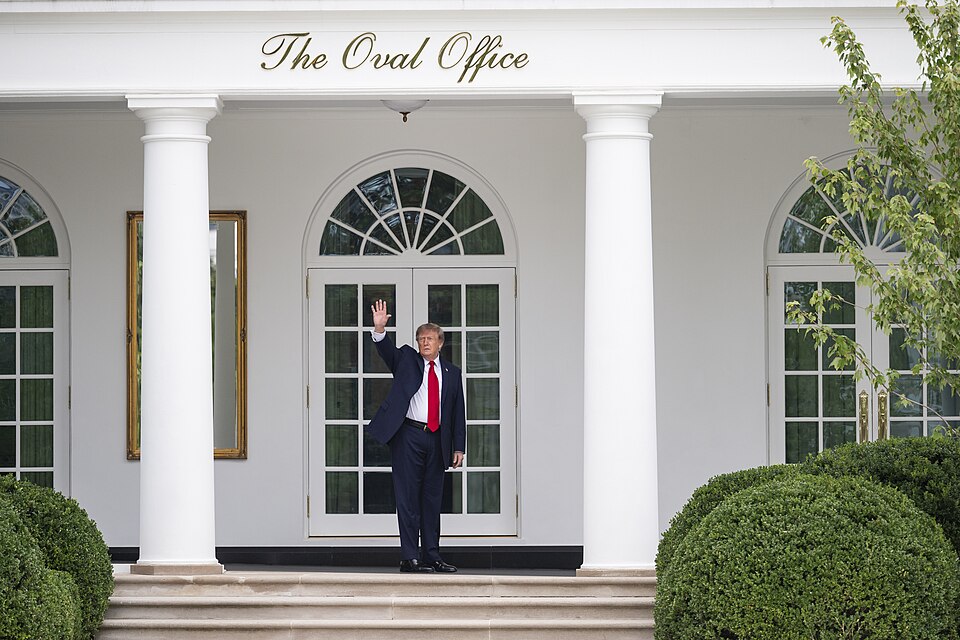
The White House has fired back at ABC late-night host Jimmy Kimmel after the comedian launched another round of personal attacks against President Donald Trump, this time demanding that the president resign following Democrats’ victories in the 2026 midterm elections.
The confrontation quickly escalated when White House spokesperson Davis Ingle delivered a blistering response, questioning Kimmel’s intelligence, mocking his television ratings, and accusing the comedian of allowing his opposition to Trump to dominate his entertainment career.
The public dispute comes as Democrats celebrate major election victories and Republicans prepare for a more difficult political landscape in Washington.
It also highlights the growing tension between the Trump administration and prominent Hollywood personalities who regularly criticize the president.
White House Delivers Sharp Response To Jimmy Kimmel
The latest confrontation began after Kimmel devoted part of his Wednesday night broadcast to attacking Trump over the Republican Party’s disappointing election performance.
Kimmel celebrated Democratic victories and suggested the results demonstrated widespread dissatisfaction with the president.
He also rejected Trump’s argument that Republican candidates might have performed better if the president himself had been on the ballot.
Rather than stopping at election commentary, the ABC host personally criticized Trump and urged him to leave the White House.
Those remarks prompted a forceful response from the administration.
In a statement provided to Fox News Digital on Friday, November 6, Ingle accused Kimmel of suffering from an extreme case of what Trump supporters commonly call “Trump Derangement Syndrome.”
The White House spokesperson described Kimmel’s brain as “peanut-sized” and suggested that the comedian’s political obsession had undermined his ability to entertain audiences.
Ingle also took aim at Kimmel’s television ratings and questioned the quality of his comedy.
The unusually personal response demonstrated that the White House was prepared to challenge the late-night host directly rather than allow his criticism to go unanswered.
Jimmy Kimmel Calls On President Trump To Resign
Kimmel’s controversial remarks came during his post-election coverage on Jimmy Kimmel Live!, where he welcomed the Democratic Party’s strong showing in the midterms.
The comedian argued that Trump had played a major role in the Republican Party’s losses, regardless of whether his name appeared on individual ballots.
Kimmel accused the president of dividing Americans and suggested that voters had delivered a clear message through the election results.
He then escalated his criticism with a direct demand.
“Quit already, just quit. Nobody wants you,” Kimmel declared.
The comedian also mocked Trump’s appearance during a White House meeting, using an unflattering nickname while discussing an image that appeared to show the president sleeping.
Kimmel went further by joking that Trump should leave office, use his cryptocurrency wealth to purchase an island, and disappear from the political spotlight.
He even referenced Jeffrey Epstein’s private island during the routine.
The remarks reflected Kimmel’s increasingly confrontational approach toward Trump, whose policies, personality, and political decisions have frequently become targets of the comedian’s monologues.
White House Challenges Kimmel’s Credibility
The administration’s response was not limited to defending Trump’s position following the election.
Ingle also questioned whether Kimmel’s political commentary was helping his television career.
The spokesperson suggested that Kimmel was more entertaining when audiences were laughing at his expense rather than enjoying his jokes.
He also criticized what he characterized as the host’s declining ratings, although the statement did not provide specific audience figures.
The exchange was part of an ongoing dispute between Kimmel and the administration.
Earlier in the week, Ingle had criticized the comedian for his enthusiastic reaction to Democratic election victories, describing him as a performer whose political commentary had overshadowed his entertainment value.
Kimmel subsequently responded during his program, joking about the White House criticism and deliberately mispronouncing the spokesperson’s name as “Danny Dingle.”
The latest statement suggests that neither side is particularly interested in ending the verbal confrontation.
For the White House, the dispute offers an opportunity to push back against one of Trump’s most persistent celebrity critics.
For Kimmel, the controversy provides another subject for a politically charged late-night monologue.
Hollywood’s Political Role Faces New Scrutiny
The controversy has renewed questions about the role of political activism in American entertainment.
Late-night television has a long history of poking fun at presidents, members of Congress, and other public officials.
However, some media critics believe the format has changed significantly as entertainment programs devote increasing attention to partisan political disputes.
Christian Toto, a media commentator and editor of Hollywood in Toto, argued that Kimmel has moved away from traditional comedy and toward political activism.
Toto characterized the comedian as closely aligned with Democratic messaging, suggesting that his television program frequently emphasizes political arguments over entertainment.
He also raised concerns about the financial pressures facing late-night programming.
According to Toto, ABC could seek substantial budget reductions as the network evaluates the cost of maintaining Kimmel’s show.
He suggested that the network and comedian might eventually reach an agreement, although his comments did not establish that a cancellation or contract change was imminent.
The discussion reflects broader challenges facing traditional television as networks compete with streaming services, digital video platforms, and changing audience habits.
Whether Kimmel’s outspoken political approach strengthens his appeal or limits his audience remains a subject of debate.
Trump’s Political Future Remains Unchanged By Kimmel’s Demands
Although Kimmel portrayed the midterm election results as a reason for Trump to resign, the outcome does not alter the president’s constitutional term.
Democrats’ victories have major consequences for the balance of power in Washington, particularly with the party gaining control of Congress.
That shift could complicate Republican legislative efforts, increase congressional oversight of the administration, and create new political challenges for the White House.
However, a congressional election does not automatically remove a sitting president from office.
Trump remains president regardless of Kimmel’s televised demand.
The immediate political consequences will instead involve how the administration works with a Democratic-controlled Congress and whether Republicans can rebuild momentum following their election losses.
The president’s supporters and critics will undoubtedly interpret those developments differently.
Nevertheless, the constitutional process remains separate from the opinions expressed by television personalities.
Another Political Battle Between Trump And Late-Night Television
The latest White House confrontation illustrates the increasingly personal nature of political commentary in American media.
Kimmel has repeatedly used his ABC program to criticize Trump, while the administration has shown little hesitation in responding with equally pointed remarks.
The dispute also reflects a broader cultural divide over whether entertainment personalities should use their platforms to influence political discussions.
Some viewers appreciate comedians who openly challenge elected officials.
Others prefer entertainment programs that offer an escape from the constant political arguments dominating television news and social media.
For now, neither Kimmel nor the White House appears ready to retreat.
The comedian continues to criticize the president, and Trump’s administration has made clear that it is willing to answer those attacks publicly.
As Washington adjusts to the results of the 2026 midterm elections, the political arguments extending from the White House to Hollywood are likely to remain a prominent part of the national conversation.
The larger question is whether Americans want even more political confrontation from their late-night entertainment—or whether audiences will increasingly seek something different.



Leave a Reply