
Here’s the latest.
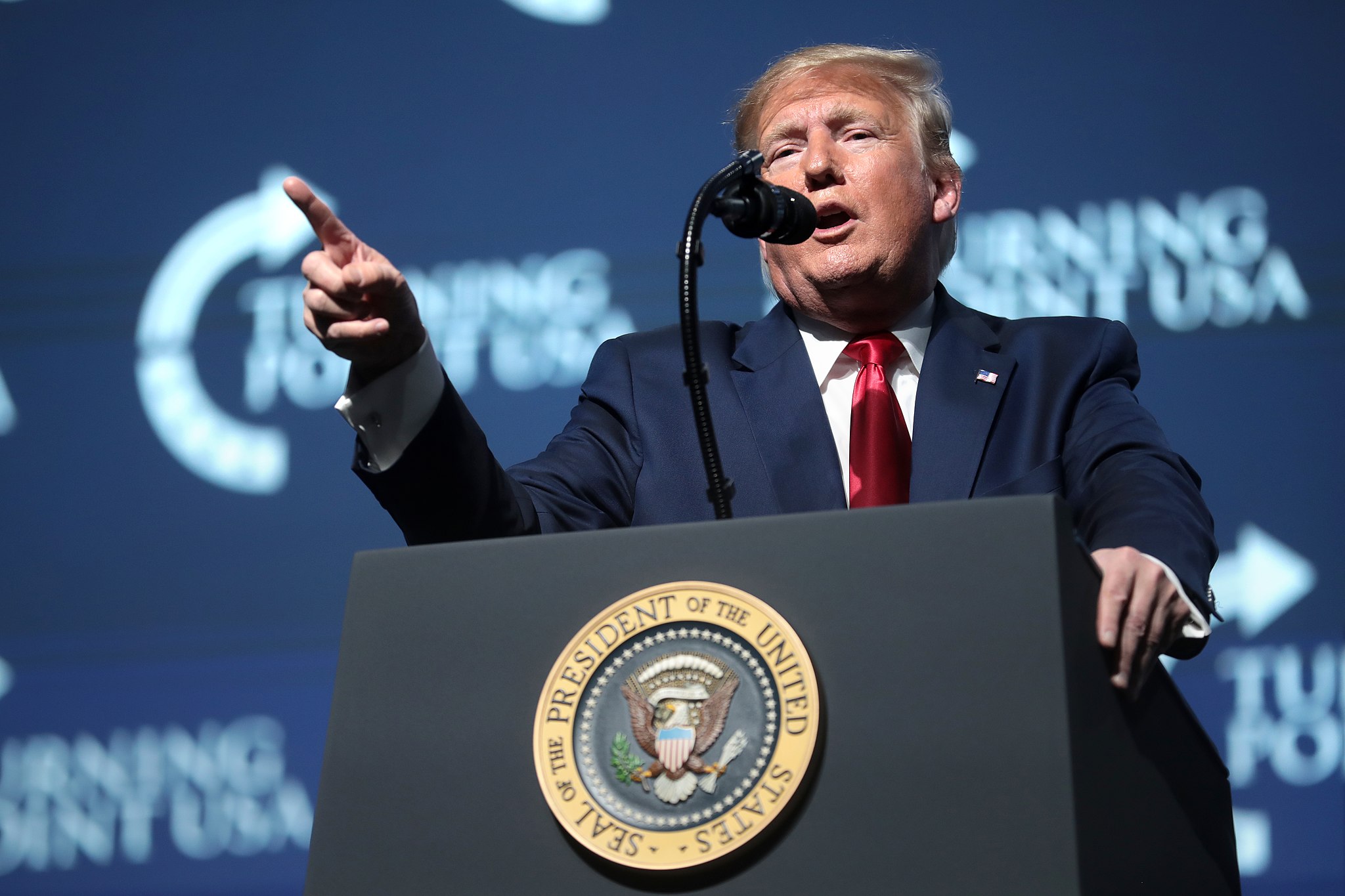
President Donald Trump said the United States could be on the verge of a major diplomatic breakthrough with Iran, announcing Sunday that a new round of peace talks is expected to begin as early as Monday.
Speaking to reporters aboard Air Force One, Trump said an agreement is “imminent” and expressed confidence that negotiations could produce two of his administration’s top foreign policy goals: the full reopening of the Strait of Hormuz and a guarantee that Iran will never obtain a nuclear weapon.
The announcement marks a dramatic shift after weeks of rising tensions in the Middle East, where fears of a broader regional conflict have remained high. Trump suggested diplomacy now has a chance to succeed after military pressure brought both sides closer to the negotiating table.
Trump Says Military Strike Was Delayed
During the conversation with reporters, Trump revealed that he had been prepared to authorize a major military operation against Iran over the weekend before deciding to pause the mission.
According to the president, Iran requested that the attack be called off, while Saudi Arabia and several other Middle Eastern allies also urged the United States to allow negotiations another opportunity before taking military action.
“I’m not looking to harm people, because people die,” Trump said. “A lot of people die. And we don’t want that.”
Trump also claimed the planned operation would have been “the biggest attack since World War II,” but said he chose to delay the mission in hopes that diplomacy could prevent additional bloodshed.
Peace Talks Expected To Begin
The president said negotiators are expected to begin formal discussions Monday, adding that his administration believes meaningful progress can be made.
Trump has consistently argued that any lasting agreement must accomplish two major objectives: preventing Iran from developing nuclear weapons and ensuring the Strait of Hormuz remains open to commercial shipping.
Those priorities have been central to the administration’s Middle East strategy, with officials arguing that both are essential for protecting American national security and maintaining stability throughout the region.
Why The Strait Of Hormuz Matters
The Strait of Hormuz is one of the world’s most strategically important waterways. A significant portion of the world’s oil and natural gas shipments passes through the narrow corridor connecting the Persian Gulf to global markets.
Any disruption to shipping in the region can affect energy prices, financial markets, and supply chains around the world. U.S. officials have repeatedly warned that keeping the waterway open is critical to global commerce and America’s national security interests.
Supporters of Trump’s approach argue that restoring free navigation through the strait would reduce economic uncertainty while strengthening stability across the Middle East.
Iran’s Nuclear Program Remains A Top Concern
Another major focus of the proposed agreement is Iran’s nuclear program.
Trump has repeatedly maintained that Iran must never be allowed to obtain a nuclear weapon, calling the issue one of the administration’s highest foreign policy priorities.
Supporters say a successful agreement could significantly reduce the risk of future military conflict while providing stronger long-term security for the United States and its allies throughout the region.
Sharp Turn From Earlier Warnings
The president’s optimistic comments came just days after he delivered a much tougher warning toward Tehran.
During a televised appearance from Camp David on Friday, Trump said the United States was prepared to dramatically increase military pressure if negotiations failed.
“We will be hitting them very hard,” Trump said. “At some point, they’re going to say, ‘We just can’t take it anymore.’”
By Saturday evening, however, Trump announced that negotiators had already agreed on what he described as the basic framework, or “perimeters,” of a potential peace agreement.
The rapid change in tone has fueled speculation that behind-the-scenes diplomatic efforts have accelerated in recent days.
Previous Ceasefire Collapsed
The latest negotiations follow the collapse of an earlier 60-day ceasefire agreement reached between the United States and Iran in mid-June.
That agreement unraveled after an attack on a Cyprus-flagged commercial vessel in the Strait of Hormuz, triggering nearly two weeks of retaliatory military strikes and renewed concerns about a wider regional conflict.
Despite those setbacks, the administration believes another diplomatic effort is worth pursuing if it can produce a stronger and more durable agreement.
According to The Wall Street Journal, Trump had privately expressed skepticism about earlier negotiations, reportedly telling advisers he questioned whether Iran would honor a temporary peace arrangement. Those reports suggested the president wanted stronger guarantees before agreeing to any long-term deal.
What’s Next?
Negotiators are expected to begin the next round of discussions this week as both sides attempt to reach an agreement addressing security concerns, regional stability, and Iran’s nuclear ambitions.
Whether a final deal is reached remains uncertain, but the coming days could prove pivotal for U.S. foreign policy. If negotiations succeed, the agreement could reopen one of the world’s busiest shipping routes, reduce tensions across the Middle East, and mark one of the most significant diplomatic developments of Trump’s presidency.
For now, Trump says he remains hopeful that diplomacy can achieve what military action cannot.
“We will see,” Trump said when asked about the upcoming negotiations. “I would love to do that and save a lot of lives.”





Leave a Reply