
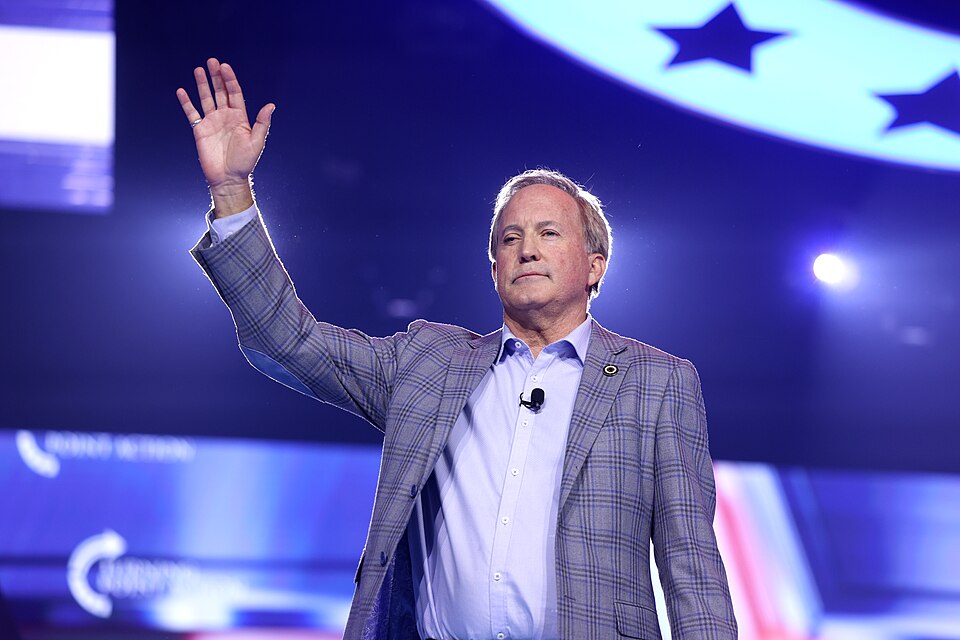
Paxton, President Trump and the rest of the GOP need to figure out their midterm messaging before Democrats win.
Texas Attorney General and U.S. Senate candidate Ken Paxton is making the cost of living a major part of his campaign message, creating a noticeable contrast with President Donald Trump’s more optimistic claims about prices and the economy.
The difference is attracting attention because Trump has strongly backed Paxton in the Texas Senate race. Yet Paxton’s newest campaign message openly acknowledges that many families are still struggling with the cost of groceries, housing, insurance and other everyday expenses.
For voters heading toward the midterm elections, the disagreement over affordability could become one of the most important political issues of the campaign.
Ken Paxton Focuses On Rising Costs
Paxton’s latest campaign advertisement features members of his family, including his daughter and grandchildren.
His daughter, Mattie, describes Paxton as a fighter before turning the message toward an issue affecting households across Texas: the rising cost of everyday life.
The advertisement says Texas families are working harder while continuing to face expensive groceries, rent and insurance.
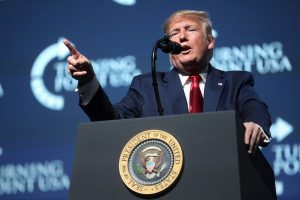
That message stands out because Trump has repeatedly promoted his administration’s economic record and argued that prices are improving.
Paxton’s campaign, however, is clearly choosing to acknowledge that many voters still feel financially squeezed.
That creates a potentially awkward contrast between two Republicans who are otherwise political allies.
Trump Remains A Strong Paxton Supporter
The new campaign message came shortly after Trump publicly discussed Paxton during an appearance in Texas.
While praising Paxton’s loyalty, Trump also jokingly referred to him as a “pain in the ass.”
Despite the colorful remark, Trump made clear that he continues to support Paxton’s Senate campaign.
Trump has credited Paxton with standing beside him during years of political and legal battles, and his endorsement remains an important part of Paxton’s effort to win over Republican voters.
The relationship between the two men therefore remains supportive, even as their campaign messaging on the economy appears increasingly different.
Affordability Becomes A Major Midterm Issue
Paxton has been talking about the financial pressure facing Texas families for weeks.
During a Republican midterm event, Paxton said he regularly meets Texans who feel they are working harder than ever but are still worried about whether they will ever be able to get ahead financially.
That message reflects a broader concern among voters.
Households continue to pay close attention to the cost of groceries, gasoline, housing, utilities, insurance and other basic necessities.
For candidates seeking office, affordability has therefore become difficult to ignore.
Even politicians who strongly support Trump are increasingly emphasizing the challenges voters face when paying their monthly bills.
Other Republicans Are Talking About High Prices
Paxton is not the only Republican placing greater emphasis on the cost of living.
Sen. John Kennedy of Louisiana has urged Trump to remain focused on household expenses.
Republican Senate candidate Ashley Hinson of Iowa has also spoken about voters feeling pressure at gas stations and grocery stores.
Sen. Mike Rounds of South Dakota has similarly acknowledged concerns about gasoline and diesel prices.
These comments show that Republican candidates are trying to address an issue that continues to matter to voters even while defending other parts of Trump’s economic agenda.
Why Paxton’s Message Matters
The challenge for Paxton is relatively simple.
He wants to remain closely aligned with Trump while also showing Texas voters that he understands their financial concerns.
That means his campaign has little incentive to tell families that their economic worries are exaggerated or unimportant.
Instead, Paxton is emphasizing the pressures people experience in their daily lives.
For older Americans in particular, rising insurance premiums, food costs, housing expenses and energy bills can have an especially noticeable effect on household budgets.
Retirees and people living on fixed incomes often have less flexibility when essential expenses increase.
That makes affordability a political issue that reaches far beyond campaign speeches.
Trump And Paxton Send Different Economic Messages
The dispute is not necessarily about whether Paxton supports Trump.
He clearly does.
The more important difference involves how the two men are talking about the economy.
Trump has emphasized economic progress and falling prices.
Paxton’s campaign is emphasizing families who still believe their budgets are stretched too thin.
Both messages are likely to receive increased scrutiny as Election Day approaches.
For voters, the debate ultimately comes down to something much more personal than political slogans: what they are paying every week for food, housing, transportation, utilities and insurance.
And as long as those expenses remain a major concern, candidates in competitive races are likely to keep talking about affordability — regardless of what national political leaders are saying.
The Bottom Line
Paxton remains one of Trump’s political allies, but his campaign is taking a noticeably different approach when discussing household costs.
Instead of simply emphasizing positive economic statistics, Paxton is telling voters that he understands why many Texas families still feel squeezed.
Whether that difference becomes a larger issue in the Senate race remains to be seen.
But one thing is already clear: the cost of living is becoming one of the central political issues heading into the midterm elections.




Leave a Reply