
Here’s what the mainstream media is trying to convince American voters now.
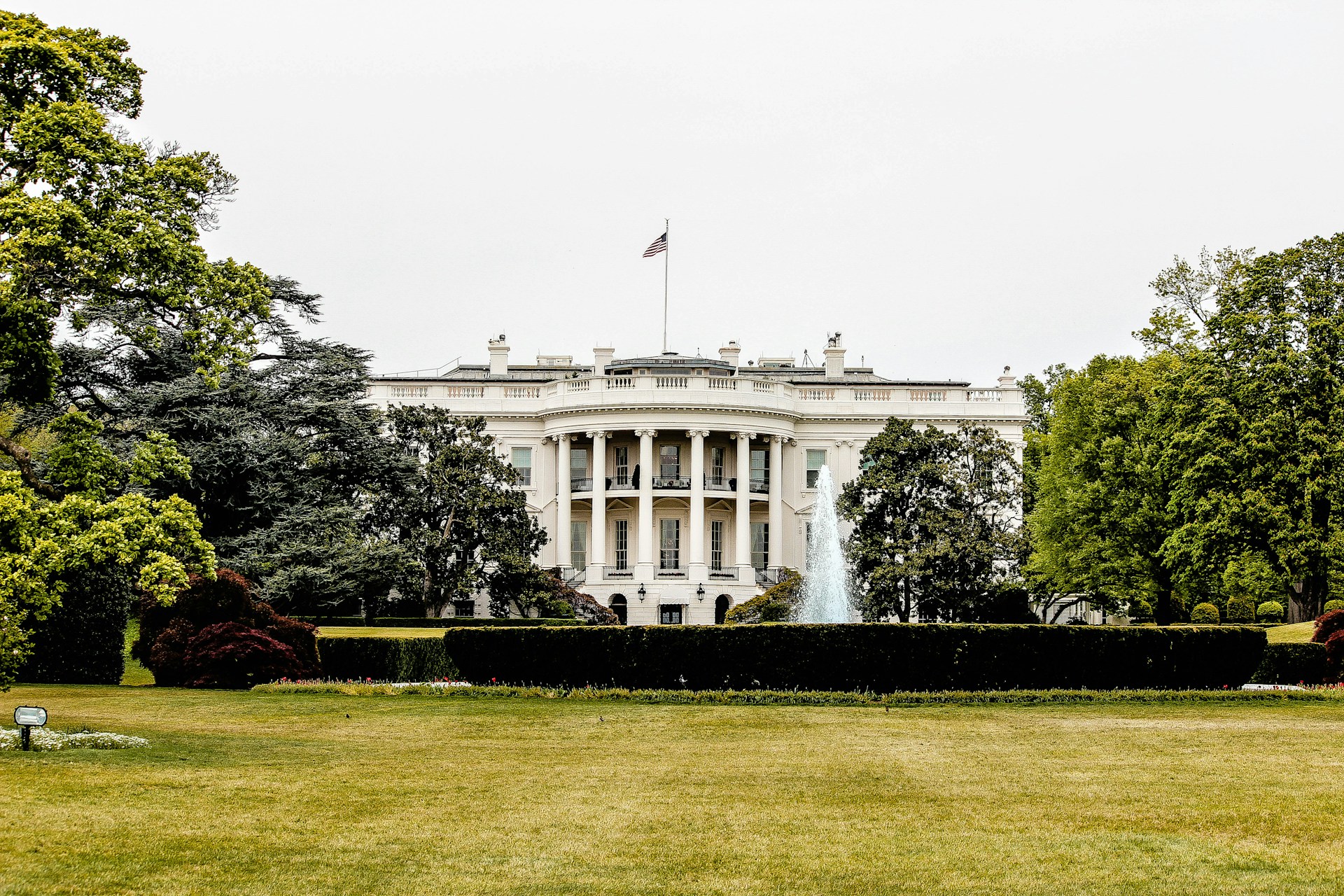
President Donald Trump is facing another round of criticism from the national media, this time over a single word his administration frequently uses to describe the White House: “transparency.”
New York Times journalist Maggie Haberman sharply challenged that description during a Saturday television appearance, arguing that the Trump administration’s public message about openness does not match what she believes is happening behind the scenes.
The criticism came during Haberman’s appearance on MS NOW’s Alex Witt Reports, where host Alex Witt aired a compilation of Trump and administration officials repeatedly describing the White House as the “most transparent administration in American history.”
Witt then asked Haberman whether she sees a broader pattern of secrecy inside the administration.
Haberman’s answer was unequivocal.
“Yes. It’s not even a close call,” she said.
The exchange quickly turned into a larger debate over Trump’s relationship with the press and whether Americans are receiving enough information from the federal government.
Haberman Challenges Trump’s Transparency Claim
Haberman, who co-authored Regime Change with fellow journalist Jonathan Swan, argued that administration officials repeatedly use the transparency message because they know Trump likes it.
“They know that he likes that line,” Haberman said.
She suggested the phrase can also provide officials with a convenient response when confronted with difficult questions.
Haberman characterized the administration’s approach as a “spectacle of transparency.”
Her argument is essentially that Trump and his administration can be highly visible without necessarily being transparent about everything happening inside the White House.
That distinction is important.
Trump regularly speaks directly to Americans, answers questions from reporters and communicates through social media. His supporters have long argued that this gives the public unusually direct access to a president who frequently bypasses traditional media organizations.
Haberman, however, argued that public visibility does not necessarily mean the administration is disclosing all of the information journalists believe Americans should receive.
Trump Family Business Interests Enter The Debate
Haberman pointed to several examples while making her case.
One involved the Trump family’s business activities.
Critics have questioned whether Trump’s position as president creates potential conflicts involving business ventures connected to him and members of his family.
Those questions have received substantial coverage from major news organizations and Trump’s political opponents.
Trump and his allies, meanwhile, have repeatedly faced intense scrutiny over the family’s finances and business dealings, and conservatives have frequently accused national media outlets of treating allegations involving Trump differently from controversies involving Democratic politicians.
Haberman nevertheless included the issue among the examples she believes demonstrate that the administration is less transparent than it claims.
Presidential Security Incident Raises More Questions
Haberman also discussed an unusual incident involving presidential travel.
According to her account, reporters and some administration personnel were not initially told that an aircraft they were aboard was being used as a decoy while Trump departed Turkey separately.
Haberman made clear that she was not criticizing efforts to protect the president.
Presidential security naturally takes priority, and sensitive travel arrangements can require secrecy.
Her criticism centered instead on whether members of the press should have been informed about the arrangement once security considerations allowed it.
Haberman said she could not recall a previous comparable situation in which reporters were handled in the same manner.
That example became another part of her broader argument that the White House’s public claims of extraordinary transparency deserve additional scrutiny.
Trump’s Health Becomes Part Of The Argument
Haberman also mentioned questions surrounding Trump’s health.
Presidential health has long been a politically sensitive subject, regardless of which party controls the White House.
Trump’s critics have sought additional information about his condition, while his supporters have frequently accused journalists of turning ordinary questions surrounding the president’s health into sensational stories.
Conservatives also remember the intense debate surrounding former President Joe Biden’s age and fitness for office, particularly questions about whether the public received an accurate picture of Biden’s condition during his presidency.
That history makes the current media scrutiny of Trump especially significant for Republican voters who believe major news organizations failed to apply the same level of skepticism to the previous administration.
Haberman Calls Trump Administration “Nontransparent”
Haberman ultimately delivered a sweeping judgment of the White House.
“Objectively, this is an incredibly nontransparent administration,” she said.
She further argued that the approach originates with Trump himself, saying the “tone comes from the top.”
That is Haberman’s assessment, however, and it remains part of a much larger political disagreement over how the Trump White House deals with journalists and the American public.
Trump has spent years arguing that many traditional news organizations cannot be trusted to cover him fairly.
Millions of conservative voters have reached similar conclusions after watching years of confrontations between Trump and some of America’s largest television networks and newspapers.
Trump And Mainstream Media Remain At Odds
The latest controversy is another chapter in the long-running battle between Donald Trump and the national press.
Trump has consistently accused major media organizations of publishing misleading stories, emphasizing negative developments and minimizing accomplishments by his administration.
Journalists counter that aggressive scrutiny of the president is a necessary part of holding the country’s most powerful elected official accountable.
Those competing views are unlikely to be resolved by an argument over one word.
But “transparency” has become the center of this particular fight.
The Trump administration presents itself as unusually open and accessible. Haberman and other critics contend that frequent public appearances do not necessarily translate into greater access to government information.
For Americans watching the dispute, the more useful question may be how presidential transparency should actually be measured.
Should it be judged by how frequently a president speaks publicly and answers reporters’ questions?
Should it depend on the release of government records, financial information and details surrounding major decisions?
Or should both standards apply?
Those are questions voters can consider for themselves rather than simply accepting the judgment of either the White House or its media critics.
For conservatives who have watched Trump battle the mainstream media for more than a decade, Haberman’s latest comments are unlikely to end the argument.
Instead, they demonstrate just how deep the divide between the Trump administration and the national press remains.







Leave a Reply