
Once again blue state voters are regretting their choices all because of Democrats.
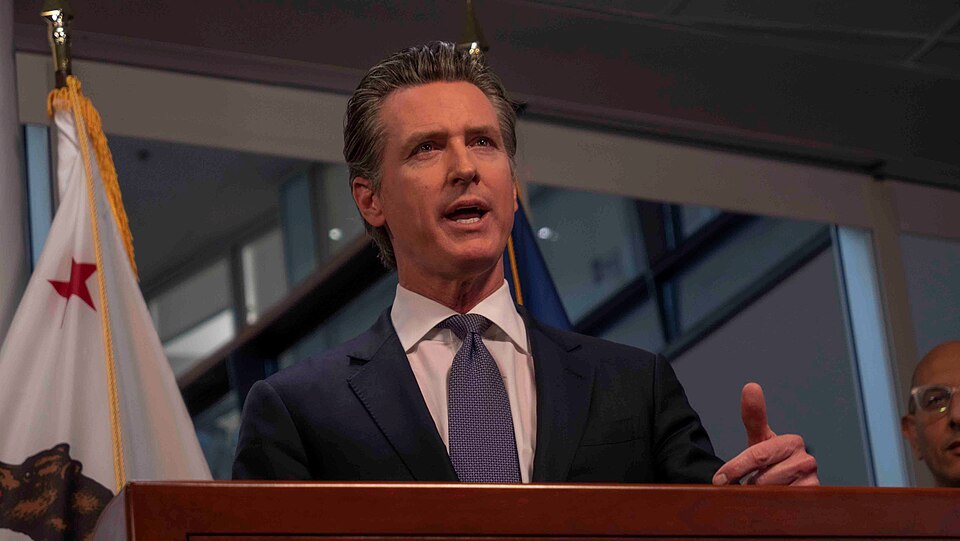
California Gov. Gavin Newsom is defending a controversial new tire regulation that could change what drivers are allowed to buy — while raising fresh concerns about the cost of owning a car in one of America’s most expensive states.
California regulators have approved the nation’s first energy-efficiency requirements for replacement tires, targeting the amount of energy tires lose as they roll down the road.
The Newsom administration says the regulations could ultimately save motorists money on gasoline and electricity.
But critics are warning about another side of the equation: Drivers could face higher prices when it comes time to buy new tires.
And because California is America’s largest auto market, the fight is attracting attention far beyond the Golden State.
Newsom Defends California’s New Tire Rules
Newsom defended the regulations Wednesday as criticism mounted over their potential impact on consumers.
At the center of the controversy is something known as rolling resistance.
Rolling resistance measures how much energy a vehicle needs to keep its tires moving. Tires with lower rolling resistance can improve fuel economy in gasoline-powered vehicles and extend driving range in electric vehicles.
Newsom argues that requiring more efficient replacement tires will therefore save drivers money over the long run.
“The ROI is pretty good,” Newsom said while defending the policy.
The governor pointed to estimates showing that California motorists could collectively save nearly $1 billion per year in gasoline and electricity costs once the standards are implemented.
“Back to just facts, save a billion dollars a year in fuel,” Newsom said. “You talk about an affordability agenda, that makes some sense to me.”
Newsom also argued that motorists could benefit directly from improved fuel economy.
“It’d be wise to take advantage of new, efficient tires, lower your cost at the pump,” he said.
But opponents say those projected savings don’t tell the entire story.
Could California Drivers Pay More For Tires?
The major concern is the upfront cost of replacement tires.
Industry critics have warned that a significant percentage of replacement tires currently sold may not satisfy California’s eventual efficiency standards.
That could leave manufacturers scrambling to change their products while consumers have fewer options when shopping for tires.
The Tire Industry Association and other industry voices have questioned the state’s cost projections and warned that some consumers could end up paying considerably more depending on how manufacturers and retailers respond.
That matters because replacing tires is rarely an optional purchase.
When tires are worn out or damaged, motorists need replacements — whether their household budget is ready for the expense or not.
For seniors living on fixed incomes, working families and commuters who depend on their vehicles every day, even a modest increase can matter.
And if the price difference reaches hundreds of dollars for a complete set in some cases, the debate over “affordability” could become even more heated.
The Rules Don’t Take Effect Immediately
Despite some of the rhetoric surrounding the new regulation, California motorists will not suddenly be required to replace their existing tires.
The requirements will instead be phased in.
The first efficiency standard begins in 2029, with tougher requirements scheduled for 2033.
California’s goal is eventually to make replacement tires roughly as energy efficient as the tires installed as original equipment on new vehicles.
The regulations also include requirements involving wet-road grip, while certain specialized tire categories receive exemptions.
That means the real impact on prices and consumer choice won’t become completely clear until manufacturers begin adjusting their products for the new standards.
California Says Drivers Will Save Nearly $1 Billion
The California Energy Commission argues that the long-term financial benefits will outweigh additional tire costs.
State officials estimate the program could eventually save Californians nearly $1 billion annually by reducing gasoline and electricity consumption.
The theory is straightforward.
If tires require less energy to move, a gasoline-powered vehicle should burn slightly less fuel to travel the same distance. An electric vehicle should similarly use less battery power.
Multiply those relatively small efficiency improvements across millions of vehicles and billions of miles, and regulators argue that the savings become substantial.
Newsom has seized on those projections while presenting the regulations as part of an affordability agenda.
Critics, however, are asking a different question:
How much will consumers have to spend upfront to achieve those future savings?
Tire Companies Raise Concerns
The tire industry itself isn’t completely united against California’s approach.
Some major manufacturers have been supportive of greater tire efficiency or did not oppose the final regulation.
Others have raised concerns about how the program will work in practice.
Goodyear has been among the most prominent critics, while industry representatives have raised questions involving compliance costs, testing, enforcement, consumer choice and competition from smaller manufacturers.
Those concerns highlight an important distinction in the debate.
Few motorists would object to a tire that saves gasoline while offering the same safety, durability and price.
The controversy is over whether government should determine which tires consumers are permitted to purchase — and whether that mandate will ultimately make driving more expensive.
Republicans Point To California’s High Gas Prices
The tire fight is also feeding into a much larger political battle over California’s cost of living.
Republicans and other critics argue that California already imposes taxes, environmental regulations and specialized fuel requirements that contribute to the state’s unusually expensive gasoline market.
From that perspective, using fuel savings to justify another regulation strikes opponents as backwards.
Critics argue state leaders should concentrate first on bringing down the underlying cost of gasoline rather than imposing additional efficiency requirements on motorists.
Former Los Angeles mayoral candidate Spencer Pratt summed up that criticism by accusing California officials of helping drive fuel costs higher and then using those prices to justify additional regulation.
“See the magic trick?” Pratt said.
Newsom and supporters of the tire standards reject that argument, maintaining that greater efficiency can save consumers money regardless of what gasoline costs.
Could Newsom’s Tire Rules Affect Drivers Outside California?
Perhaps the biggest question for Americans elsewhere is whether California’s regulation will remain confined to California.
The state has enormous economic influence and represents a massive market for automakers, tire companies and other manufacturers.
Companies faced with California-specific requirements sometimes have to decide whether maintaining separate products for different states makes financial sense.
If tire manufacturers ultimately redesign large portions of their replacement-tire lineup to satisfy California’s requirements, consumers elsewhere could potentially encounter some of those same products.
However, it is too early to know whether California’s tire standards will materially increase prices or reduce choices nationwide.
That will depend largely on how manufacturers respond before the first requirements arrive in 2029.
What Drivers Need To Know
For motorists, the debate ultimately comes down to cost, choice and government regulation.
Newsom and California regulators believe more efficient tires will reduce fuel consumption and save consumers money over the life of their tires.
Opponents worry drivers will sacrifice affordable choices and face higher prices at the tire shop in exchange for savings that may take years to materialize.
The regulations aren’t taking effect overnight, giving manufacturers several years to adapt.
But California has now established another first-in-the-nation environmental standard — and drivers across America have reason to watch what happens next.
If tire prices climb while consumer choices shrink, Newsom’s affordability argument could face a serious test.
If California’s promised fuel savings materialize without substantial price increases, supporters will claim the experiment worked.
Either way, California drivers will be the first to find out.








Leave a Reply