
Democrat voters should’ve listened to conservatives before voting these people into power.
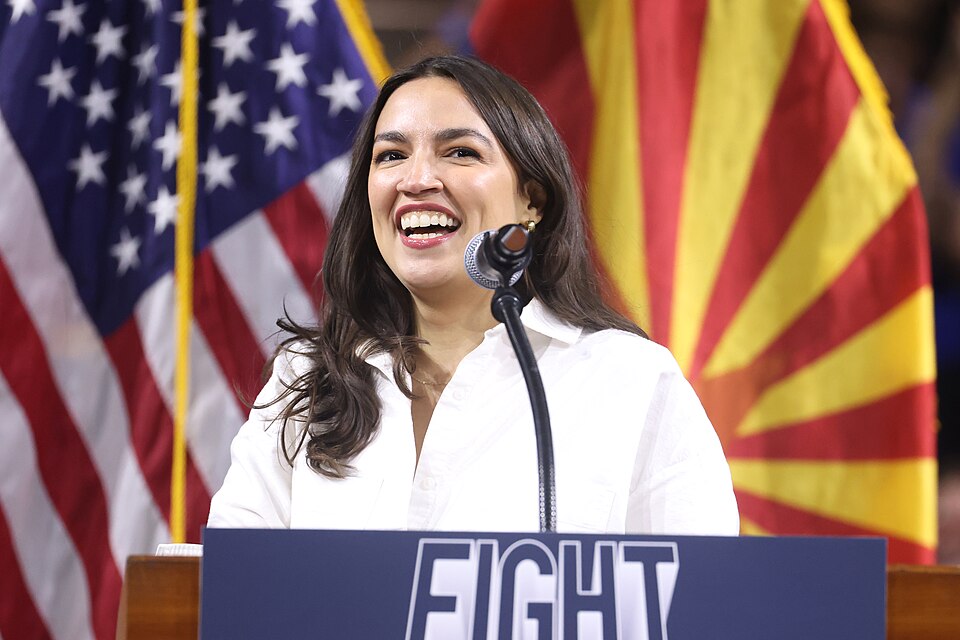
Rep. Alexandria Ocasio-Cortez is facing sharp criticism from an unexpected direction after prominent radio personality Charlamagne tha God publicly questioned her handling of a growing leadership dispute within the Democratic Party.
The outspoken media host accused the New York Democrat of avoiding a direct answer about whether House Democratic Leader Hakeem Jeffries deserves to become the next speaker of the House.
His remarks have drawn fresh attention to disagreements among Democrats over party leadership, political accountability, and the future direction of the progressive movement.
The controversy also raises an important question: Are Democrats prepared to challenge their own leadership, or will political loyalty take priority when difficult decisions arise?
Charlamagne Tha God Takes Aim at Alexandria Ocasio-Cortez
During a Friday episode of The Brilliant Idiots podcast, Charlamagne criticized Ocasio-Cortez for what he considered an evasive explanation of the Democratic leadership selection process.
The criticism followed an Instagram Live discussion in which the congresswoman addressed questions about congressional leadership elections.
Rather than directly declaring opposition to Jeffries, Ocasio-Cortez explained how lawmakers can enter leadership contests and encouraged Americans to question their elected representatives about whom they intend to support.
Charlamagne was not impressed.
He accused the congresswoman of “beating around the bush” and argued that she appeared reluctant to openly express her position on Jeffries.
“We don’t need a civics lesson,” the radio personality declared.
Charlamagne suggested that Ocasio-Cortez should simply state whether she believes Jeffries should remain the party’s leading candidate for speaker.
His comments represent a notable example of a prominent media figure challenging one of the Democratic Party’s most recognizable progressive politicians.
Democrats Face Growing Questions About Their Leadership
The dispute comes as Democrats prepare for important decisions about their congressional leadership following the November 2026 midterm elections.
Jeffries has announced his intention to pursue the House speakership, but some members of his party have indicated that their support should not be considered automatic.
Among them is New Jersey Democratic Rep.-elect Adam Hamawy, who has made clear that he is evaluating the leadership question rather than committing to a particular candidate.
Hamawy has emphasized that being undecided does not necessarily mean actively withholding support.
Instead, his position reflects a desire to consider the available options before making a final decision.
Other Democrats have taken a different approach.
Missouri Rep. Wesley Bell has expressed firm support for Jeffries, demonstrating that the Democratic leader maintains allies despite criticism from some progressive voices.
These disagreements illustrate a familiar challenge in Washington: maintaining party unity while allowing elected representatives to question established leadership.
For Americans concerned about government accountability, the controversy underscores why leadership elections deserve serious scrutiny.
Israel Policy Creates Another Dividing Line
Beyond the leadership contest itself, Charlamagne raised questions about differences between progressive Democrats and established party leaders regarding American military assistance to Israel.
Ocasio-Cortez has been among the progressive lawmakers who have strongly criticized Israel’s military operations in Gaza.
She was also listed among lawmakers supporting a November 2025 congressional resolution seeking recognition of Israel’s actions in Gaza as genocide, an accusation that remains strongly contested.
Charlamagne questioned how progressive politicians who hold such positions can support Democratic leaders whose records on military assistance to Israel may conflict with their priorities.
His criticism focused on whether elected officials are willing to apply their publicly stated principles when deciding who should hold positions of power.
Jeffries, meanwhile, has acknowledged the need to reconsider aspects of American assistance to Israel.
He has indicated that substantial changes in how assistance is provided deserve consideration and that he has previously raised concerns within the Democratic caucus.
Nevertheless, the dispute demonstrates how foreign policy disagreements can influence domestic political leadership battles.
Ocasio-Cortez Faces a Difficult Political Decision
Ocasio-Cortez has built her national reputation on challenging established political interests and advocating progressive policies.
Since entering Congress, she has become one of the most recognizable figures on the Democratic Party’s left wing.
Her influence extends well beyond her New York congressional district, particularly among activists who want significant changes in Washington.
However, her prominence also creates expectations.
When progressive lawmakers question established leadership, their supporters may expect them to follow those criticisms with concrete political action.
That is the issue Charlamagne appears determined to highlight.
If Ocasio-Cortez openly opposes Jeffries, she could contribute to additional disagreements within her party.
If she supports him despite significant policy differences, she could face questions from progressive activists who believe Democratic leadership needs a different direction.
Importantly, Charlamagne’s criticism does not establish that Ocasio-Cortez has decided to oppose Jeffries. His remarks reflect his interpretation of her comments, not a confirmed statement of her intentions.
Still, the exchange has brought greater attention to the competing priorities facing Democrats.
What the Democratic Disagreement Means for Washington
The developing leadership debate could have consequences beyond Democratic Party politics.
House leadership plays an important role in determining which legislation receives consideration, how congressional priorities are organized, and how lawmakers approach negotiations with the White House.
The speaker also influences committee assignments, legislative strategy, and the broader direction of the House.
For voters concerned about federal spending, economic policy, national security, and government accountability, these decisions can have far-reaching consequences.
Republicans will undoubtedly be watching how Democrats resolve their internal disagreements as Congress prepares for another legislative session.
The dispute also highlights the difference between political messaging and governing.
Campaign promises and public criticism often attract attention, but leadership decisions require lawmakers to take positions that may carry political consequences.
That is especially true when members of the same party disagree over major national issues.
A Growing Test for Democratic Party Unity
Charlamagne’s criticism of Ocasio-Cortez illustrates how disagreements over Democratic leadership are reaching beyond Capitol Hill and into political media.
Although one radio personality’s comments do not represent a broader rejection of Ocasio-Cortez by liberal media outlets, they show that the congresswoman faces public scrutiny from voices outside the conservative political establishment.
For Jeffries, the challenge is maintaining enough support within his caucus to secure the speakership.
For Ocasio-Cortez, the challenge is balancing her progressive political priorities with the realities of congressional leadership.
And for Democratic voters, the debate raises questions about transparency and whether elected officials are prepared to explain their positions clearly.
Ultimately, the controversy may come down to a relatively simple question: Will progressive lawmakers support the Democratic Party’s established leadership, or will they push for a different approach?
As the next Congress approaches, the decisions made by Ocasio-Cortez, Jeffries, and their Democratic colleagues could reveal just how united the party really is.








Leave a Reply