
Terrible idea.
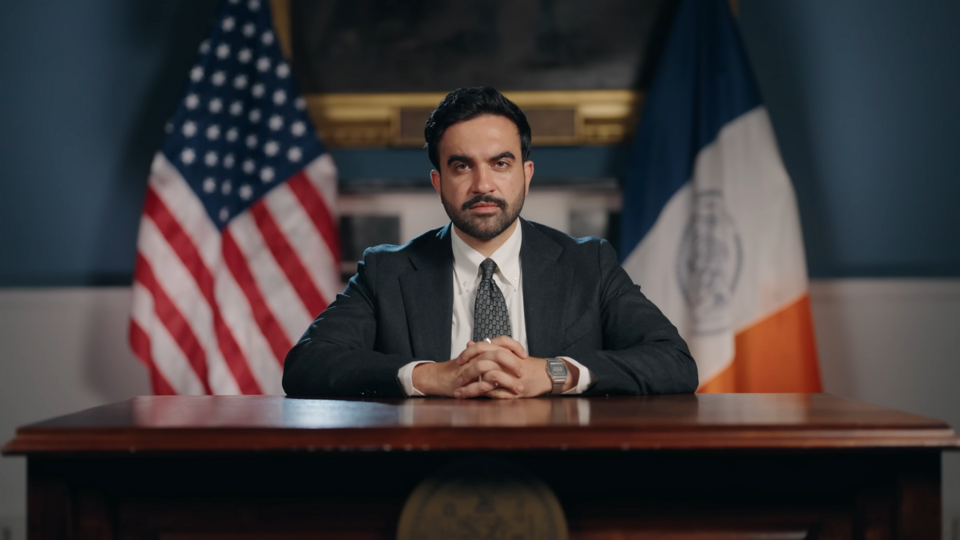
New York City Mayor Zohran Mamdani has sparked a major confrontation with police organizations after announcing plans to eliminate one of the NYPD’s most prominent specialized units, prompting warnings that the decision could jeopardize public safety and make officers’ jobs more difficult.
The controversial move, announced Monday, November 16, will dismantle the NYPD’s Strategic Response Group, a specialized unit responsible for responding to major demonstrations, counterterrorism threats, and other high-risk situations.
Police union leaders have condemned the decision, arguing that replacing an established law enforcement unit could weaken the city’s ability to respond quickly when dangerous situations unfold.
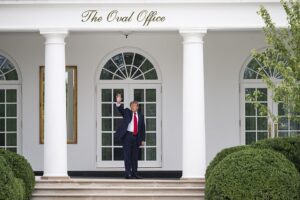
The announcement also renews a familiar political debate surrounding President Donald Trump’s longstanding warnings about policies that could undermine law enforcement.
While Mamdani insists the changes will improve public safety and protect constitutional rights, police representatives are raising serious questions about what happens when demonstrations turn violent or emergencies require immediate action.
Mamdani Moves To Eliminate Elite NYPD Unit
Mamdani and NYPD Commissioner Jessica Tisch announced that the Strategic Response Group, commonly known as the SRG, will be disbanded as part of a sweeping restructuring of New York City’s approach to policing demonstrations.
The unit has historically handled crowd management, high-risk police operations, and certain counterterrorism responsibilities.
Its officers have also been deployed during major public disturbances and other situations requiring specialized training.
Mamdani campaigned on eliminating the unit, arguing that police responses to peaceful protests should be separated from operations involving potential terrorist threats.
His administration says the restructuring will accomplish that goal while maintaining the department’s overall staffing levels.
However, the decision has generated significant criticism from police organizations that believe specialized officers play an essential role in protecting the public.
For critics, the concern is straightforward: Removing an established unit could create uncertainty about how quickly police can respond when a demonstration becomes dangerous.
Police Union Leaders Warn Of Serious Consequences
Patrick Hendry, president of the Police Benevolent Association, has been among the most outspoken critics of the proposed changes.
Hendry previously warned that restrictions on police responses to demonstrations could place both officers and civilians in greater danger.
His concerns center on whether officers will have the authority, training, and immediate support necessary to restore order when a peaceful gathering becomes disruptive or violent.
Scott Munro, president of the Detectives’ Endowment Association, has also criticized the decision.
Munro questioned whether the replacement units will possess the same operational capabilities as the Strategic Response Group.
He pointed to the NYPD’s response to the 2024 Columbia University demonstrations as an example of why specialized crowd-management personnel can be important.
During those demonstrations, officers were called upon to address a rapidly developing situation involving protesters occupying a university building.
Police organizations argue that these situations require coordination, experience, and the ability to mobilize trained personnel quickly.
They also worry that detectives could be pulled away from criminal investigations to assist with large-scale demonstrations.
That possibility raises another concern: Whether changes intended to reform protest policing could unintentionally interfere with other law enforcement responsibilities.
WATCH:
We are disbanding the SRG. https://t.co/VRMUiSQlxY
— Mayor Zohran Kwame Mamdani (@NYCMayor) November 16, 2026
Mamdani Unveils New Civilian-Led Policing Strategy
Rather than simply eliminating the SRG’s responsibilities, Mamdani’s administration plans to redistribute them across several new and existing organizations.
One major component involves establishing a civilian-led Community Dialogue and De-escalation Division.
The new division will coordinate with police officers and protest organizers to encourage communication and reduce the possibility of confrontations.
Civilian employees working within the division will not carry weapons or possess arrest powers.
The NYPD will also establish a First Amendment Support Team consisting of 30 uniformed officers trained specifically in communication and de-escalation.
Additionally, a new Patrol Support Division will provide officers trained in crowd management while supporting other routine police operations.
Meanwhile, the SRG’s counterterrorism responsibilities will be transferred to the NYPD’s Intelligence and Counterterrorism Bureau.
Police Commissioner Jessica Tisch has defended the restructuring, maintaining that the department will retain its ability to protect New Yorkers and respond to serious threats.
City officials say the changes will be implemented without increasing or decreasing the NYPD’s total staffing levels.
Nevertheless, critics remain concerned about whether the new arrangement will perform as effectively as the established unit it replaces.
New Restrictions On Police Tactics Raise Questions
The restructuring also introduces significant restrictions on tactics officers may use during demonstrations protected by the First Amendment.
The administration is formalizing prohibitions on kettling, a crowd-control method involving the containment of demonstrators within a restricted area.
The new policies also prohibit tear gas and long guns during First Amendment activities.
Pepper spray will no longer be permitted as a general crowd-management tool, and the use of long-range acoustic devices will face additional restrictions.
Mamdani argues that these measures will help protect constitutional freedoms while reducing unnecessary confrontations between police and protesters.
Supporters of the reforms point to past allegations of excessive force involving the Strategic Response Group, including legal disputes stemming from demonstrations in 2020.
Police organizations, however, worry about restrictions that could make challenging situations more difficult for officers.
The disagreement highlights a fundamental question about law enforcement: How can cities protect the right to peaceful protest while ensuring officers have the necessary tools to respond when individuals engage in violence or other unlawful activity?
Trump’s Warnings About Policing Return To Spotlight
The controversy has also brought renewed attention to President Donald Trump’s law-and-order message.
Throughout his political career, Trump has emphasized the importance of supporting law enforcement officers, confronting violent crime, and maintaining public order.
He has frequently criticized policies that he believes reduce police effectiveness or make it harder for officers to perform their duties.
Mamdani’s decision presents a direct contrast in governing philosophies.
While the mayor believes restructuring the NYPD will improve accountability and public trust, critics contend that removing specialized units risks weakening police readiness.
For Americans who agree with Trump’s emphasis on stronger law enforcement, the warnings from New York City’s police organizations reinforce concerns about the direction of public safety policies.
However, the restructuring has not yet demonstrated whether public safety will improve or decline. Its actual consequences will depend on how well the replacement units perform.
That distinction will become increasingly important as the city begins implementing the changes.
What The NYPD Shakeup Means For Everyday Americans
Although the decision directly affects New York City, the larger debate extends far beyond its borders.
Cities across the United States continue to face difficult questions about police staffing, crime prevention, protest management, and government accountability.
For residents, business owners, and visitors, the priority is often simple: They want officers capable of protecting their communities and responding quickly during emergencies.
Business owners depend on safe streets, reliable transportation, and confidence that public disturbances can be managed effectively.
Families want to know that police departments have the necessary resources to address dangerous situations.
And law enforcement officers need clear procedures, adequate training, and dependable support when responding to unpredictable emergencies.
Supporters of Mamdani’s plan believe the new approach can achieve those objectives while improving relationships between police and the communities they serve.
Critics fear that reorganizing specialized responsibilities could create operational problems at precisely the moments when experienced personnel are needed most.
The effectiveness of the changes will ultimately be measured by results rather than political promises.
Mamdani Faces Major Test Over New York City Public Safety
The elimination of the Strategic Response Group represents a significant victory for Mamdani’s campaign agenda.
But delivering on that promise has also intensified his disagreement with influential organizations representing New York City’s police officers and detectives.
With police unions publicly challenging the decision, the mayor will face growing pressure to demonstrate that his replacement strategy can maintain public safety.
The administration insists that the NYPD will remain fully capable of addressing major emergencies, protecting important infrastructure, and responding to demonstrations.
Police representatives want reassurance that officers will not be left without sufficient resources during dangerous situations.
The coming months will provide a clearer picture of how these changes affect day-to-day police operations.
For now, the dispute underscores the continuing national divide over law enforcement policy and the role of government in maintaining public order.
As Mamdani moves forward with one of his most controversial policing decisions, the question facing New York City is whether the new system can protect constitutional rights without compromising the safety of officers and the public.

Leave a Reply