
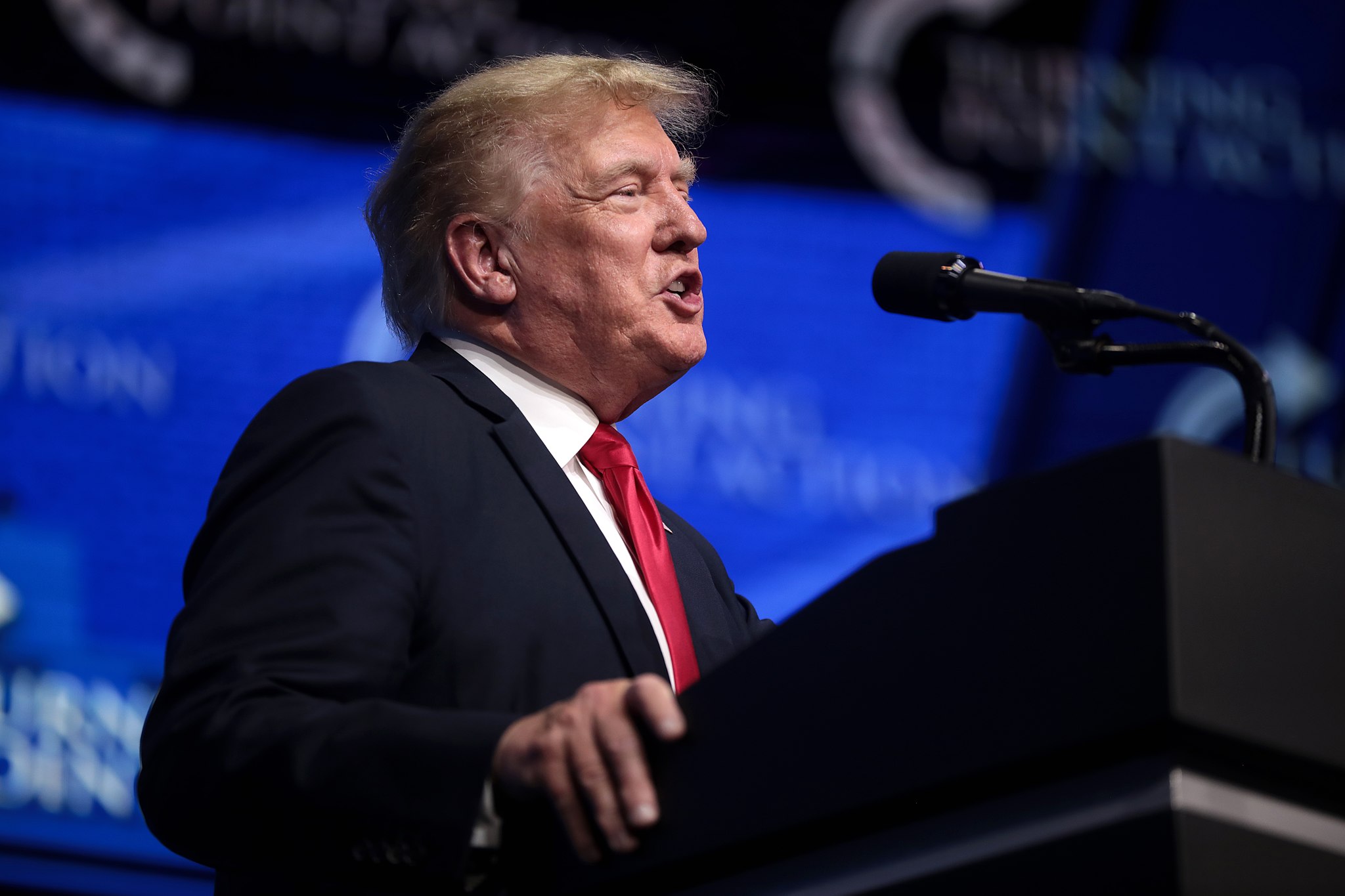
How will Trump respond to this?
Brazil is pushing back against the latest tariffs imposed by the Trump administration, calling the new trade measures politically motivated while warning it could respond with tariffs of its own on American products. The growing dispute has intensified tensions between the United States and South America’s largest economy, raising new questions about the future of trade between the two countries.
The Trump administration announced that a 25% tariff will take effect on certain Brazilian imports beginning July 22, arguing the move is necessary to address what U.S. officials describe as unfair trade practices. While thousands of products are affected, several major imports—including coffee, beef, oranges, orange juice, and aircraft components—were exempted to help prevent disruptions to American supply chains and consumers.
Why the Trump Administration Is Imposing New Tariffs
President Donald Trump has consistently argued that tariffs are an important tool for protecting American industries, encouraging fair trade, and creating stronger negotiating leverage with foreign governments.
Administration officials say the latest action targets trade practices they believe place U.S. businesses at a disadvantage. The tariffs also follow an ongoing U.S. investigation into several Brazilian policies, including digital trade practices and other market restrictions.
Although the United States has often used tariffs against countries with large trade surpluses over America, Brazil represents a different case.
According to recent trade data, the United States actually enjoys a significant trade surplus with Brazil. In 2025, U.S. exports to Brazil exceeded imports by nearly $42 billion, making Brazil one of America’s strongest export markets.
That has led some economists and trade analysts to question why Brazil has become a target of additional tariffs despite the favorable trade balance.
Brazil Rejects the Allegations
Brazilian President Luiz Inácio Lula da Silva’s administration quickly rejected the U.S. claims, insisting the country has maintained fair trade policies and remained open to negotiations throughout the dispute.
Foreign Minister Mauro Vieira accused the Trump administration of attempting to pressure Brazil into giving American companies preferential treatment in key sectors of its economy.
Vieira said Brazil has consistently sought dialogue rather than confrontation and rejected suggestions that negotiations had stalled because of Brazil’s actions.
The Brazilian government also challenged the U.S. claims of unfair trade practices, noting that approximately 76% of American imports entered Brazil duty-free in 2025. Officials added that the average tariff applied to U.S. goods was only 3.1%, arguing those figures demonstrate Brazil maintains relatively open access for American products.
Brazil Threatens Reciprocal Tariffs
Brazilian officials say they are now evaluating whether to respond with reciprocal tariffs under legislation approved by Congress in 2025.
The government is also considering filing complaints through the World Trade Organization (WTO), arguing the U.S. measures violate international trade rules.
Officials have not yet announced which American products could be targeted if retaliation moves forward, but they insist every option remains under consideration.
The possibility of retaliatory tariffs has increased concerns among businesses that rely on trade between the two countries.
Rubio and Brazil Exchange Sharp Criticism
The disagreement escalated further after Secretary of State Marco Rubio criticized President Lula following the tariff announcement.
Rubio argued that Brazil had failed to negotiate with the United States in good faith and suggested Lula had allowed political considerations to stand in the way of reaching an agreement.
Brazil’s foreign minister strongly rejected those comments, calling them offensive and saying Brazil’s leadership would continue defending the country’s sovereignty, workers, and businesses.
The exchange underscored how what began as a trade dispute has increasingly evolved into a broader diplomatic confrontation.
Businesses Warn About Economic Impact
Brazil’s National Confederation of Industry warned that the new tariffs could increase uncertainty for manufacturers, exporters, and investors in both countries.
Business leaders said higher tariffs often raise costs throughout supply chains, making products more expensive while creating uncertainty for companies planning future investments.
Although several key agricultural products were excluded from the tariffs, many exporters could still face increased costs once the new duties take effect.
The Investigation Into Brazil Continues
The latest tariffs build upon actions the Trump administration has already taken against Brazil.
Last year, the administration imposed 50% tariffs on many Brazilian imports while also directing the U.S. Trade Representative to launch an investigation under Section 301 of the Trade Act of 1974.
That investigation focuses on several Brazilian policies, including digital trade rules, anti-corruption enforcement, intellectual property concerns, and the country’s popular PIX digital payment system.
PIX, operated by Brazil’s central bank, has become one of the world’s most widely used instant payment systems and is generally free for consumers.
Some trade experts argue that certain digital trade concerns may deserve closer examination. Others believe the broader tariffs go well beyond the issues currently under investigation.
Brazil Looks Beyond the American Market
Brazilian trade officials say the country has already begun reducing its dependence on exports to the United States by expanding trade relationships with other nations.
Former Brazilian Foreign Trade Secretary Welber Barral said exports to the United States now account for less than 10% of Brazil’s total exports, marking a historic shift in the country’s trade strategy.
Brazil is also pursuing additional agreements through the Mercosur trade bloc while negotiating with countries such as Canada and exploring new international markets.
Officials believe diversifying export destinations could reduce the impact of future trade disputes with Washington.
Politics Plays a Role on Both Sides
The tariff dispute has become a major political issue inside Brazil ahead of the country’s upcoming presidential election.
Members of Lula’s administration have accused allies of former President Jair Bolsonaro of encouraging closer cooperation with Trump administration officials during recent visits to Washington.
Meanwhile, Senator Flávio Bolsonaro, the former president’s son and a leading opposition figure, has sharply criticized Lula’s handling of relations with the United States.
He argues Brazil’s current government has weakened the country’s negotiating position and failed to secure a better outcome for Brazilian businesses.
With elections approaching, both major political camps are expected to continue using the tariff dispute to strengthen their campaigns.
What Happens Next?
Unless negotiations produce a breakthrough before July 22, the new U.S. tariffs are expected to take effect as scheduled.
Brazil is weighing several possible responses, including reciprocal tariffs, legal challenges through the World Trade Organization, and continued diplomatic negotiations with Washington.
For American businesses and consumers, the dispute serves as another reminder that international trade policy can have far-reaching economic consequences. While the Trump administration says the tariffs are intended to protect U.S. interests and encourage fairer trade practices, Brazil insists the measures are politically motivated and has made clear it is prepared to defend its own economic interests.
As both governments continue negotiations, businesses on both sides of the Atlantic will be watching closely to see whether tensions ease—or whether another round of tariffs further escalates the dispute.

Leave a Reply