
How will President Trump feel about these comments?
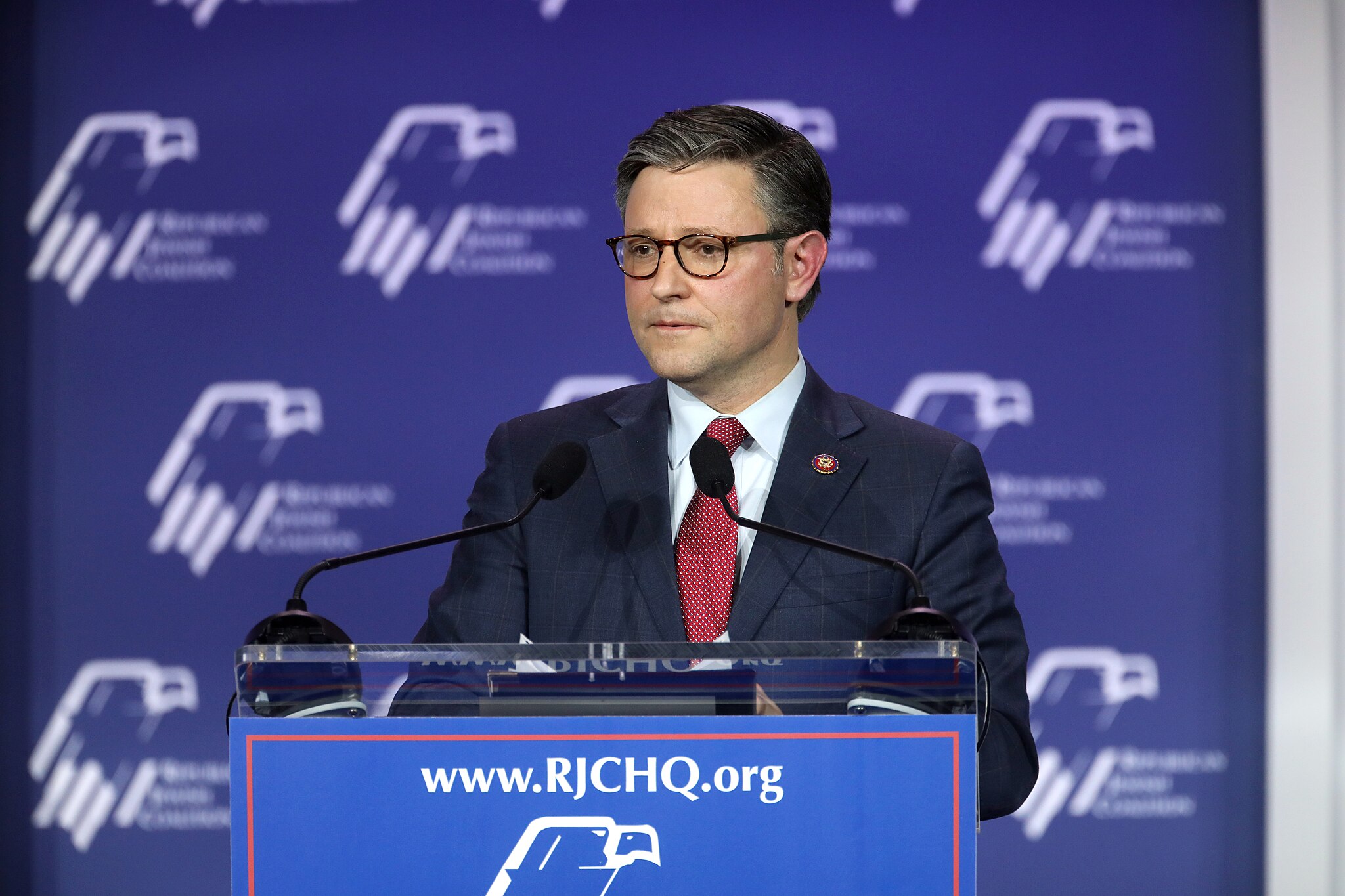
House Speaker Mike Johnson (R-La.) made headlines Tuesday after suggesting the United States should begin bringing its military campaign against Iran to a close, comments that appeared to contrast with President Donald Trump’s vow to continue military operations until Tehran agrees to negotiate.
The remarks came during a Capitol Hill press conference as lawmakers continue debating America’s role in the conflict, the growing number of U.S. military casualties, and whether Congress should take a more active role in authorizing the war.
The issue has become one of the most closely watched foreign policy debates in Washington, with both Republicans and Democrats weighing the military, political, and constitutional implications of a prolonged conflict in the Middle East.
Johnson was asked whether he would support bringing an Authorization for Use of Military Force (AUMF) or a War Powers Resolution to the House floor as the war enters its fifth month and the number of American troop deaths continues to climb.
Rather than calling for immediate congressional action, Johnson said he believes the Trump administration should continue leading the effort to resolve the conflict.
The House speaker said President Trump, along with senior defense officials, is working around the clock to bring the military campaign to a successful conclusion and argued that Congress should allow the administration additional time before considering new legislation authorizing or restricting military operations.
Johnson also stressed that the responsibility for addressing Iran should not rest solely on the United States.
He argued that America’s allies—including NATO members, Gulf nations, and other international partners—should play a greater role in responding to Iran’s military actions and helping stabilize the region.
According to Johnson, Iran’s recent actions have affected multiple neighboring countries, making the conflict an international security issue rather than simply an American one.
While defending the administration’s overall strategy, Johnson acknowledged the growing human cost of the war, calling the loss of American service members a tragedy that underscores the urgency of finding a lasting resolution.
At the same time, he maintained that preventing Iran from obtaining a nuclear weapon remains one of the United States’ most important national security objectives and said many allied nations share that goal.
Johnson concluded his response by saying that the campaign has accomplished its primary objective and should now move toward an end.
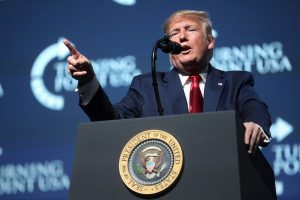
His comments stood in noticeable contrast to President Trump’s remarks earlier Tuesday, when the president said U.S. military operations would continue until Iran returns to negotiations in good faith.
Although Johnson did not directly criticize the president or oppose the administration’s broader strategy, his emphasis on concluding the conflict rather than extending it immediately drew attention across Washington.
The exchange also highlights an ongoing debate inside Congress over presidential war powers, the constitutional role of lawmakers in authorizing military action, and how a prolonged conflict could shape U.S. foreign policy, defense spending, and the political landscape heading into the upcoming elections.
As the situation continues to evolve, both the White House and congressional leaders are expected to face increasing scrutiny over military objectives, troop deployments, and the long-term strategy for U.S. involvement in the region.
Why this matters
The debate surrounding the Iran conflict extends beyond military strategy. It raises significant constitutional questions about Congress’ authority to authorize military action, America’s commitments to its allies, and the potential political impact of an extended overseas conflict. With lawmakers closely divided over the best path forward, Johnson’s comments are likely to fuel continued discussion about how—and when—the United States should conclude its military operations while protecting its national security interests.




Leave a Reply