
Here’s what happened.
A major federal compensation program tied to a legal settlement involving President Donald Trump has been put on hold after facing court challenges and growing concerns from lawmakers in Washington.
The proposed $1.776 billion Anti-Weaponization Fund was designed to provide financial compensation to individuals who believe they were unfairly targeted by actions of the federal government. However, legal questions, concerns about oversight, and mounting political opposition have now cast uncertainty over the future of the initiative.
The development highlights larger debates about government accountability, taxpayer spending, and how federal agencies should address claims of misconduct. It also represents a significant setback for a program that had become a major topic of discussion among lawmakers and legal experts.
Why The Anti-Weaponization Fund Was Created
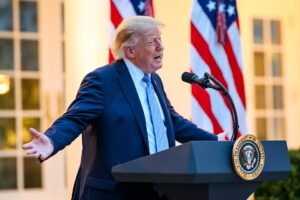
The Anti-Weaponization Fund emerged as part of a settlement connected to a $10 billion lawsuit that President Trump had filed against the Internal Revenue Service (IRS).
Under the agreement, Trump agreed to drop the lawsuit in exchange for the creation of a compensation fund jointly administered by federal agencies. The goal was to provide a pathway for individuals who believed they had been unfairly targeted, investigated, or otherwise harmed by actions of the federal government to seek financial restitution.
Supporters argued that the fund would help address legitimate grievances and restore confidence in government institutions. They contended that Americans who experienced improper treatment from federal agencies should have an opportunity to pursue compensation.
However, questions quickly arose regarding how the program would operate, who would qualify, and what safeguards would be in place to ensure taxpayer funds were used appropriately.
Legal Challenges Put The Program On Hold
On Monday, the Department of Justice announced that it would halt efforts to move forward with the fund after a federal court blocked any payouts.
In a statement, the Justice Department said it strongly disagrees with the ruling issued by a federal judge in Virginia but confirmed that it would comply with the court’s decision while legal proceedings continue.
The program had already been placed on a temporary pause while judges reviewed challenges questioning whether the fund was legally authorized and whether its structure complied with federal law.
Complicating matters further, a second federal judge was reportedly examining concerns raised by a group of former federal judges who questioned the legitimacy of the initiative.
The ongoing litigation means that the future of the compensation program remains uncertain and could ultimately be determined through additional court rulings.
Lawmakers Raise Questions About Oversight
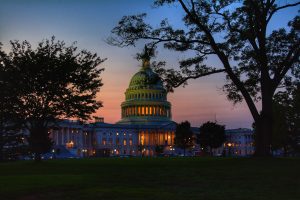
Even before the court rulings, the proposal had encountered resistance on Capitol Hill.
Several Senate Republicans reportedly expressed concerns about the lack of clear eligibility requirements and accountability measures. During meetings with Acting Attorney General Todd Blanche, lawmakers sought answers about how claims would be reviewed and who would ultimately qualify for compensation.
Critics argued that without strict guardrails, the program could create confusion, encourage questionable claims, or expose taxpayers to significant financial obligations.
Others worried that the broad language surrounding eligibility could allow controversial figures from across the political spectrum to seek compensation, further increasing scrutiny of the program.
Supporters of stronger oversight maintained that any federal compensation initiative involving billions of dollars should include transparent standards and rigorous review processes.
Political Fallout Reaches Congress
The controversy surrounding the Anti-Weaponization Fund soon expanded beyond the legal arena and began affecting other legislative priorities.
Republican lawmakers delayed action on a major $72 billion package designed to support the administration’s immigration enforcement efforts as concerns over the compensation fund intensified.
Senate Majority Leader John Thune indicated that lawmakers wanted the issue resolved before moving forward with related legislation, underscoring the significance of the dispute within Congress.
The fund also became a topic of discussion during a meeting between President Trump and House Speaker Mike Johnson at the White House, reflecting the growing importance of the issue among senior Republican leaders.
The episode demonstrates how policy disputes can have ripple effects throughout Washington, influencing negotiations on unrelated legislative initiatives.
What Happens Next?
With the program now on hold, several important questions remain unanswered.
Legal proceedings are expected to continue as courts evaluate whether the fund can move forward under existing federal law. Depending on future rulings, lawmakers may also consider whether additional legislation is needed to clarify the authority and structure of such programs.
Meanwhile, uncertainty remains regarding the broader settlement agreement that led to the fund’s creation. It is not yet clear whether the suspension of the compensation program could affect other aspects of that arrangement.
For taxpayers, policymakers, and legal observers, the case has become a closely watched example of the challenges involved in balancing government accountability, legal authority, and public spending.
As the legal battle unfolds, the future of the $1.776 billion Anti-Weaponization Fund remains unclear. What is certain, however, is that the debate has sparked a broader national conversation about the limits of federal power, the rights of citizens who believe they were harmed by government actions, and the mechanisms available for seeking compensation when disputes arise.
The outcome of the case could have implications that extend far beyond this particular fund, potentially influencing future discussions about government oversight, taxpayer-funded compensation programs, and the relationship between federal agencies and the American public.

Leave a Reply