
Tensions couldn’t be higher.
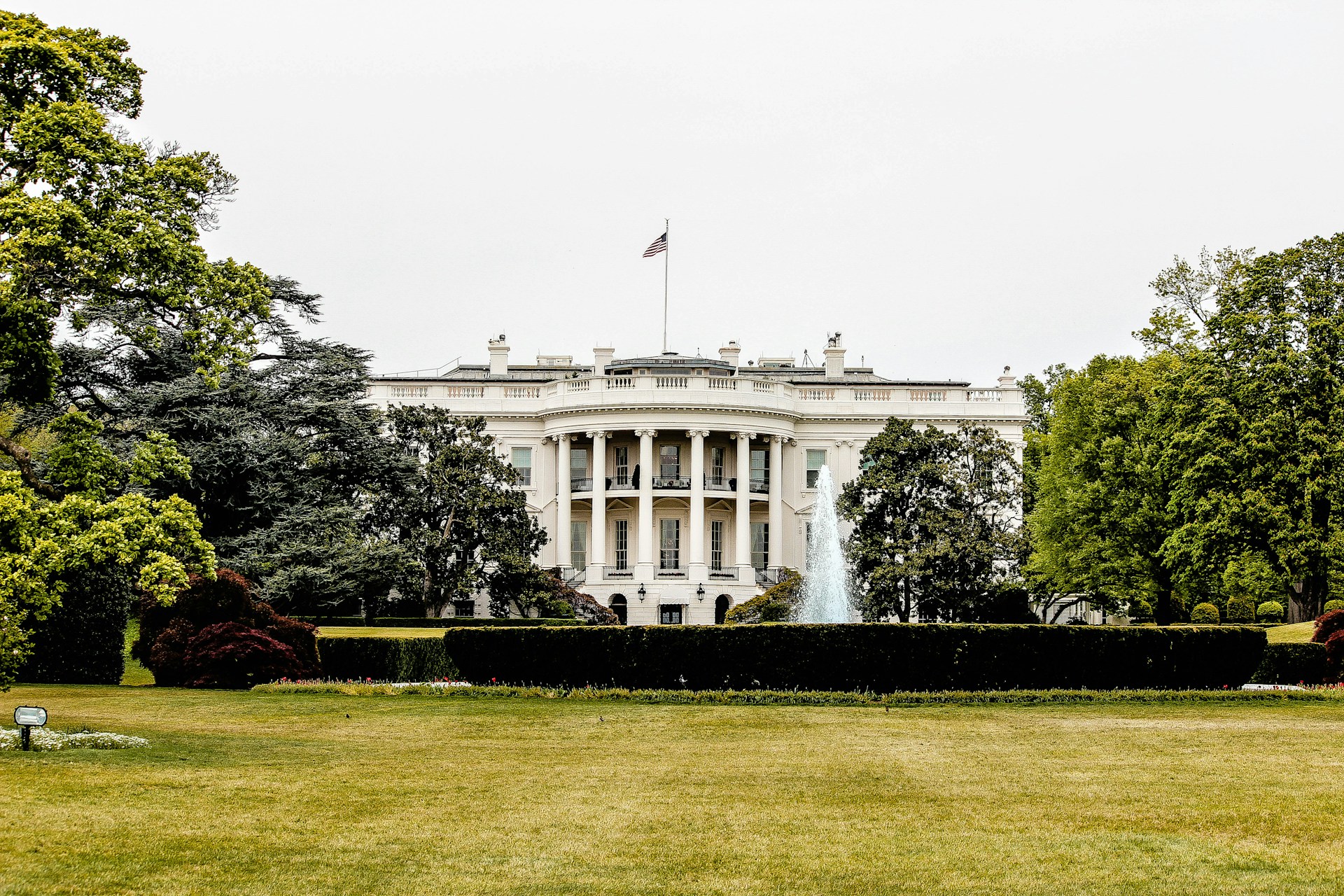
Security around the White House has become noticeably tighter as tensions between the United States and Iran continue to escalate, prompting new protective measures at the presidential residence. While some of the work involves ongoing restoration of the historic building, officials say additional security upgrades are also being installed as the administration responds to evolving national security concerns.
The increased activity comes as President Donald Trump announced that the ceasefire between the United States and Iran has effectively come to an end, raising fresh questions about regional stability, international shipping, and the possibility of further diplomatic or military escalation.
During a CNN report on Friday, White House correspondent Kristen Holmes outlined the latest developments and explained how recent events have influenced security planning in Washington.
According to Holmes, the collapse of the ceasefire creates uncertainty over several issues that had previously been governed by informal agreements between both sides. One of the biggest concerns involves the Strait of Hormuz, one of the world’s most important shipping routes for oil and natural gas exports.
Under the earlier ceasefire framework, Iran was expected to avoid interfering with commercial shipping moving through the strategic waterway. In return, the United States had indicated it would ease certain economic pressure, including lifting some sanctions and reducing its naval presence in the region.
That arrangement now appears to have changed.
The Trump administration has already reinstated sanctions against Iran and recently announced another round of financial restrictions targeting an individual described by U.S. officials as a key financial facilitator responsible for managing global assets connected to Iran’s supreme leadership.
Those developments have fueled new questions about whether increased tensions could once again threaten commercial shipping in the Strait of Hormuz, a critical passage through which a significant share of the world’s energy supplies travels each day. Any disruption in the region could affect global oil markets, international trade, and energy prices worldwide.
While no immediate changes to maritime traffic have been announced, analysts continue to monitor developments closely as diplomatic relations remain uncertain.
During the broadcast, CNN anchor Brianna Keilar also asked Holmes about visible construction taking place around the White House and whether it was connected to recent security concerns.
Holmes explained that what appears to be the White House from many television camera positions is currently a large printed tarp designed to resemble the historic building while restoration work continues behind it.
Behind the temporary covering, construction crews are restoring architectural features, including columns, while simultaneously strengthening security around the White House’s main entrance.
According to sources familiar with the project, the work serves two purposes. Some improvements are part of routine preservation efforts designed to maintain one of America’s most recognizable landmarks, while other upgrades are intended to enhance security for the president, staff, and visitors.
Holmes said officials indicated that although several renovation projects initiated during President Trump’s administration have focused on aesthetics and restoring portions of the historic property, the latest construction also reflects current security priorities.
The heightened security measures follow recent reports that Israeli intelligence shared information with U.S. officials regarding an alleged Iranian assassination plot targeting President Trump. Although federal officials have not publicly disclosed specific protective protocols, reports indicate the president has taken additional precautions in response to the intelligence.
Observers also reported seeing new sections of security fencing being installed around portions of the White House grounds on Friday, adding another visible layer of protection surrounding the executive residence.
Enhanced security around the White House is not uncommon during periods of elevated international tensions. Federal agencies routinely review and strengthen protective measures whenever intelligence assessments identify potential threats involving the president or other senior government officials.
Security experts note that many of these precautions are designed to be proactive rather than reactive, allowing law enforcement and protective agencies to prepare for a wide range of possible scenarios without signaling that an immediate threat exists.
At the same time, U.S.-Iran relations remain under close international scrutiny. In addition to renewed economic sanctions, policymakers continue to watch developments involving regional military activity, diplomatic negotiations, and commercial shipping routes throughout the Middle East.
The Strait of Hormuz remains one of the world’s most strategically important waterways, making any changes in the region significant not only for national security but also for global energy markets and the international economy.
For now, White House officials have not announced whether additional security measures are planned or how long the latest construction projects will continue. However, the combination of ongoing restoration work, upgraded protective infrastructure, and heightened geopolitical tensions has placed renewed attention on security surrounding the White House.
As events continue to unfold, developments involving U.S.-Iran relations, international diplomacy, and White House security are expected to remain closely watched by government officials, financial markets, and observers around the world.





Leave a Reply