
What a terrible idea…
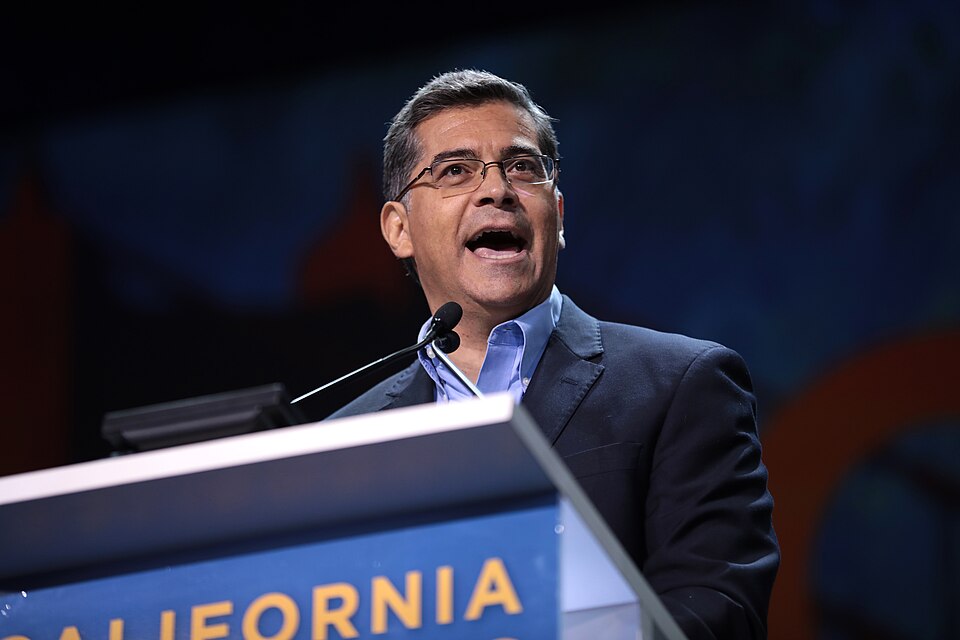
California residents are already facing some of the highest living expenses in America, but Democratic gubernatorial candidate Xavier Becerra is considering new taxes and fees that could add to the state’s financial burdens.
With California struggling to manage budget deficits and rising household expenses, Becerra has indicated that additional revenue measures could become part of his agenda if elected governor in November.
His ideas include higher income taxes on wealthy residents, possible fees on large corporations, and an openness to considering a controversial mileage-based tax on drivers.
The proposals are emerging as millions of Californians continue dealing with expensive housing, gasoline, electricity, insurance, and groceries.
For taxpayers hoping to see government costs reduced, the discussion raises a familiar question: Will Sacramento address its spending problems, or look for additional money from residents and businesses?
Becerra Considers Higher Taxes in California
During an interview with KCRA, Becerra explained that he is exploring ways to increase tax revenue from California’s wealthiest residents.
The former Biden administration health secretary and California attorney general argued that billionaires should not face lower effective tax rates than working professionals such as teachers, firefighters, and nurses.
Becerra believes the state should establish a tax system that requires higher-income individuals to contribute what he considers their fair share.
However, he has not released a detailed proposal specifying how much the new income tax would collect or which taxpayers would be affected.
Interestingly, Becerra opposes Proposition 40, a separate California ballot measure that would impose a one-time 5% tax on billionaires’ net worth.
Instead, he favors examining income-based taxes that he believes would provide a more stable source of government revenue.
Critics of higher taxes argue that California should focus on controlling government spending before considering additional tax increases.
They also warn that increasing taxes on wealthy residents could encourage some taxpayers and businesses to relocate, potentially reducing future revenue.
California Drivers Could Face Another Tax
Another major concern involves a potential mileage-based tax on California motorists.
State officials are studying whether drivers should eventually be charged according to the number of miles they travel.
The concept is being examined as California prepares for a future in which electric vehicles account for a larger share of traffic, potentially reducing the gasoline-tax revenue used to maintain roads and bridges.
When questioned about the possibility, Becerra declined to rule it out, saying that various options should be considered.
His campaign subsequently clarified that he has not formally proposed a mileage tax.
Nevertheless, his willingness to entertain the idea has drawn criticism from Republican opponent Steve Hilton.
For Californians who rely on their vehicles every day, the issue could have important financial consequences.
Workers with long commutes, retirees traveling to medical appointments, and families living outside major cities could be particularly concerned about a system that charges motorists based on distance.
The financial impact would depend on the final tax rate and whether the mileage fee replaced existing gasoline taxes or was added on top of them.
No such statewide tax has been approved as a result of Becerra’s comments.
Major Corporations Could Face New Healthcare Fees
Becerra is also examining ways to require large employers to contribute more toward healthcare expenses.
The proposal focuses on companies whose full-time workers earn wages low enough to qualify for Medi-Cal, California’s taxpayer-supported healthcare program for lower-income residents.
Becerra argues that profitable businesses should provide sufficient compensation and benefits rather than relying on public programs to cover their employees’ healthcare needs.
Under a recently enacted state law, California’s next governor must develop recommendations addressing the issue.
Those recommendations could involve new employer fees, changes to employee benefits, or other financial requirements.
Supporters believe such measures could reduce the burden on taxpayers who currently help finance healthcare coverage.
However, opponents of additional business fees worry that higher operating expenses could eventually affect hiring decisions, wages, or consumer prices.
Although these potential consequences remain uncertain, they have become part of a broader debate over whether California’s economic challenges should be addressed through higher revenue or reduced government costs.
California’s Budget Problems Continue Growing
The discussion comes as California faces serious questions about its financial future.
State budget analysts have warned that government spending is outpacing available revenue, creating the possibility of substantial deficits in the coming years.
California also continues to deal with a multibillion-dollar federal debt related to unemployment benefits paid during the COVID-19 pandemic.
Because the state has not fully repaid that debt, employers have faced increased payroll taxes.
Becerra has acknowledged the problem and pledged to pursue ways to reduce the financial burden.
Meanwhile, residents continue to contend with expensive housing, utility bills, transportation, and other essential costs.
These concerns are particularly important for older Californians living on retirement savings, pensions, or Social Security benefits.
For households with relatively fixed monthly incomes, additional expenses can make it harder to cover basic necessities or maintain long-term financial security.
The central concern is whether California’s leaders can stabilize government finances without making an already expensive state even more difficult to afford.
Republican Steve Hilton Promises Tax Relief
Becerra’s Republican opponent, Steve Hilton, is offering a substantially different approach.
Hilton has proposed eliminating California’s state income tax on the first $150,000 of earnings and cutting the state’s gasoline tax in half.
He believes reducing taxes and government regulations would allow families to keep more of their money while encouraging businesses to invest and create jobs.
Hilton has also criticized the possibility of a mileage-based tax, arguing that Californians are already paying too much to drive.
Becerra, meanwhile, maintains that government investment and a more progressive tax system are necessary to protect essential services and address economic inequality.
He has also questioned whether Hilton’s proposed tax cuts would reduce funding for schools, healthcare, and other state programs.
Both candidates acknowledge that California has an affordability problem.
Their disagreement centers on how to solve it.
Hilton favors broad tax reductions and a smaller government footprint, while Becerra is considering targeted revenue measures alongside government programs intended to lower household costs.
California Voters Face a Major Choice
With the November 3 gubernatorial election approaching, the debate over taxes is becoming a defining issue in California politics.
Becerra’s willingness to consider additional taxes and fees comes at a time when many residents are looking for relief from rising costs.
His supporters argue that asking wealthy taxpayers and major corporations to contribute more could help protect vital public services.
Critics contend that California’s leaders should first demonstrate greater control over government spending before considering new financial obligations.
The possibility of mileage-based fees has attracted particular attention because it raises questions about whether future transportation funding could place additional costs on everyday drivers.
For now, Becerra’s ideas remain proposals or policy options rather than newly enacted taxes.
Any future changes would depend on the election outcome, the details of proposed legislation, and approval through the appropriate state processes.
Still, the debate illustrates just how much is at stake for California residents.
As voters prepare to select their next governor, they must decide whether California’s financial challenges are best addressed through additional tax revenue or by reducing government spending and allowing residents to keep more of their hard-earned money.






Leave a Reply