

Here’s what President Trump is preparing for.
The Trump administration is taking emergency action to protect America’s electricity supply as concerns mount over power grid reliability, rising energy demand and the potential for costly power outages heading into the winter months.
U.S. Energy Secretary Chris Wright has issued emergency orders designed to strengthen the electrical grid serving approximately 65 million Americans across 13 states and Washington, D.C.
The federal intervention is intended to ensure that critical power plants remain available when electricity demand increases, helping protect American households, businesses and essential infrastructure from potential energy shortages.
The decision also highlights a central challenge facing the nation’s energy industry: maintaining dependable and affordable electricity while meeting the growing demands of a modern economy.
Trump Administration Moves to Prevent Power Outages
Under emergency authority granted by the Federal Power Act, the Department of Energy has directed regional grid operator PJM Interconnection to preserve critical electricity-generating capacity.
Among the facilities affected is Pennsylvania’s Eddystone Generating Station, where two generating units were originally scheduled to retire in May 2025.
The latest emergency order keeps those units available through February 18, 2027.
Federal officials also recently extended emergency measures involving Maryland’s Wagner generating station to address continuing concerns about electricity supply.
Wright has emphasized that dependable energy production is particularly important during periods of peak demand, when households and businesses cannot afford interruptions in electrical service.
The administration’s approach prioritizes maintaining existing power generation resources while addressing the nation’s longer-term energy infrastructure needs.
Which 13 States Are Affected?
The electrical grid managed by PJM Interconnection covers all or portions of the following states:
- Delaware
- Illinois
- Indiana
- Kentucky
- Maryland
- Michigan
- New Jersey
- North Carolina
- Ohio
- Pennsylvania
- Tennessee
- Virginia
- West Virginia
Washington, D.C., is also included in the regional electricity network.
The emergency orders do not necessarily mean residents should expect immediate blackouts. Instead, they provide additional flexibility to grid operators attempting to prevent electricity shortages and maintain reliable service.
Rising Electricity Costs Remain a Concern
For millions of American homeowners, energy affordability remains an important financial concern, particularly as colder weather increases demand for home heating.
Households living on fixed incomes can be especially vulnerable to unexpected increases in monthly utility bills.
Meanwhile, the rapid expansion of artificial intelligence, data centers and advanced manufacturing facilities is placing additional pressure on America’s electrical infrastructure.
Meeting that demand will require significant investment in power generation, transmission networks and grid modernization.
Maintaining sufficient electricity supplies could help reduce the risk of expensive emergency power purchases, although the federal orders do not guarantee lower residential electricity rates.
Consumers continue to face questions about how future infrastructure investments and increasing commercial energy demand will affect household expenses.
America’s Energy Security Takes Center Stage
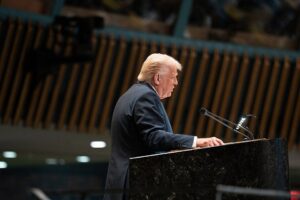
President Donald Trump has made domestic energy production and electrical grid reliability important components of his administration’s economic agenda.
Supporters of maintaining conventional power plants argue that retiring dependable generating facilities before adequate replacements are available could leave communities vulnerable to electricity shortages.
Environmental advocates, however, have raised concerns about extending the operating lives of older facilities, citing pollution, operating expenses and the need for cleaner energy investments.
The challenge for federal regulators and utility companies is balancing those considerations while ensuring that American families have access to dependable electricity at reasonable prices.
What Homeowners Should Know
Although the emergency measures are intended to prevent widespread disruptions, homeowners can benefit from reviewing their winter emergency preparedness plans.
Maintaining home heating equipment, improving energy efficiency, reviewing homeowners insurance coverage and considering appropriate backup power solutions are among the steps households can evaluate.
Reliable electricity is essential for everything from medical equipment and refrigeration to home security systems and everyday communications.
As winter approaches, the Trump administration’s emergency orders underscore the importance of maintaining a resilient electrical grid capable of meeting America’s growing energy needs.
For millions of households, the ultimate measure of success will be whether the nation’s energy policies deliver dependable service, manageable electricity bills and greater long-term energy security.







Leave a Reply