
This was shocking to hear.
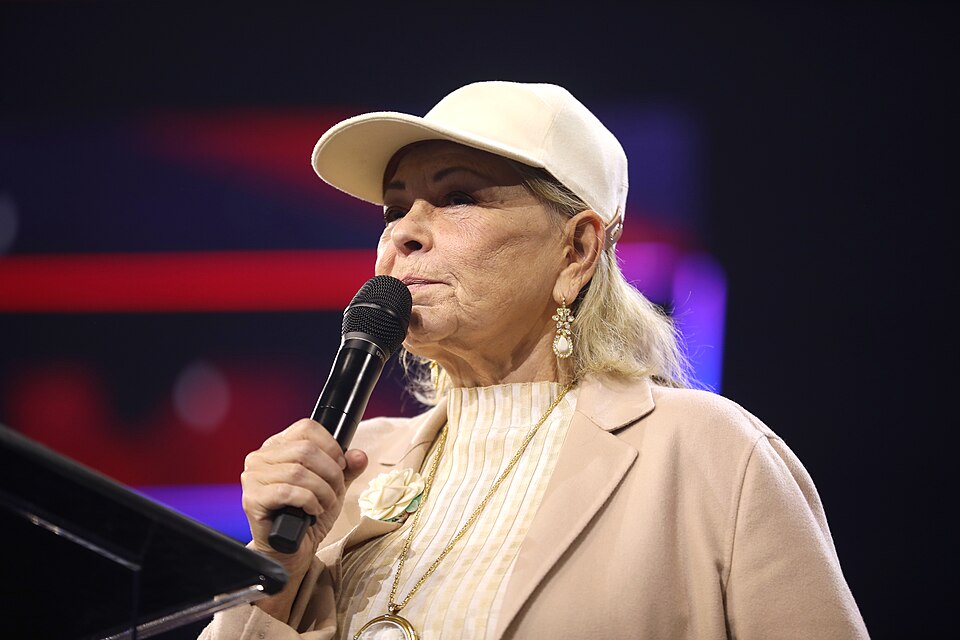
Comedian and television icon Roseanne Barr has ignited a fresh political controversy after publicly calling on Vice President JD Vance to resign from office, raising new questions about Republican leadership and the future of the GOP.
The former sitcom star expressed her frustration with Vance during a Thanksgiving Day appearance on The Western Spirit with Ariel Whitman, where she discussed the Trump administration, American foreign policy and the 2028 presidential election.
Barr’s remarks come as Republicans face mounting pressure to regroup following the 2026 midterm elections, which resulted in Democrats gaining control of both chambers of Congress.
Her comments also underscore growing disagreements over the Republican Party’s long-term political direction.
Roseanne Barr Calls for JD Vance to Step Down
According to Mediaite, Barr took issue with Vance’s assessment that the conflict with Iran and the Trump administration’s relationship with Israel contributed to Republican election losses.
The actress questioned Vance’s political judgment and argued that he was unlikely to become America’s next president.
Barr went as far as declaring that Vance should “just resign now.”
The statement attracted attention because Vance holds one of the most influential positions in the Trump administration and is widely discussed as a potential Republican presidential candidate in 2028.
However, Barr’s remarks represent her personal political views rather than an official Republican effort to remove the vice president.
Under the Constitution, a public figure’s demand for resignation has no legal effect on a vice president’s ability to remain in office.
Marco Rubio Emerges in 2028 Discussion
Barr also indicated that she believes Secretary of State Marco Rubio has a stronger political future than Vance.
The question of who could eventually succeed President Donald Trump has become an increasingly important topic in Republican political circles.
Both Vance and Rubio possess considerable national recognition, although their professional backgrounds and approaches to certain policy issues differ.
Vance has experience in the private sector, the United States Senate and the executive branch. Rubio previously served in the Senate and developed extensive experience in international relations and national security.
Presidential elections, however, are rarely determined by early predictions alone.
Economic conditions, presidential approval ratings, candidate qualifications and developments at home and abroad could all influence the outcome of the next Republican presidential primary.
Republican Leadership Faces Important Challenges
The aftermath of the 2026 midterm elections presents significant challenges for Republican lawmakers and the Trump administration.
With Democrats controlling Congress, advancing major legislation could become considerably more difficult.
Federal spending, immigration enforcement, tax policy, national security and healthcare are among the issues that could generate substantial debate in Washington.
The administration may also encounter increased congressional oversight as Democratic lawmakers exercise their legislative authority.
For American households, these political developments have practical implications. Decisions made in Washington can affect retirement savings, healthcare expenses, energy prices, employment opportunities and the overall cost of living.
Republican and Democratic leaders will face pressure to address these concerns while navigating their substantial policy differences.
Foreign Policy Remains a Major Political Issue
Barr’s criticism also brings renewed attention to disagreements surrounding America’s foreign policy priorities.
Questions about military involvement overseas, international alliances and national defense spending continue to generate debate across the political spectrum.
Some policymakers emphasize the importance of maintaining strong international partnerships, while others advocate limiting American involvement in foreign conflicts.
These competing approaches carry implications for federal spending, diplomatic relations, energy markets and international security.
Finding an appropriate balance between domestic priorities and international commitments remains one of the most consequential responsibilities facing American leadership.
What Happens Next for Vice President Vance?
Despite Barr’s public criticism, JD Vance continues to serve as vice president alongside President Trump.
His responsibilities and political influence are not determined by the opinions of individual celebrities or political commentators.
The coming months could provide greater insight into how Republican leaders respond to their election setbacks and manage their legislative priorities under a divided government.
Meanwhile, speculation surrounding the 2028 presidential election is likely to intensify as potential candidates establish their political positions.
Roseanne Barr has made her preference clear, but the eventual direction of the Republican Party will ultimately be determined through the democratic process.
For now, the Trump administration faces the immediate responsibility of governing, addressing economic concerns and navigating an increasingly divided Washington.






Leave a Reply