
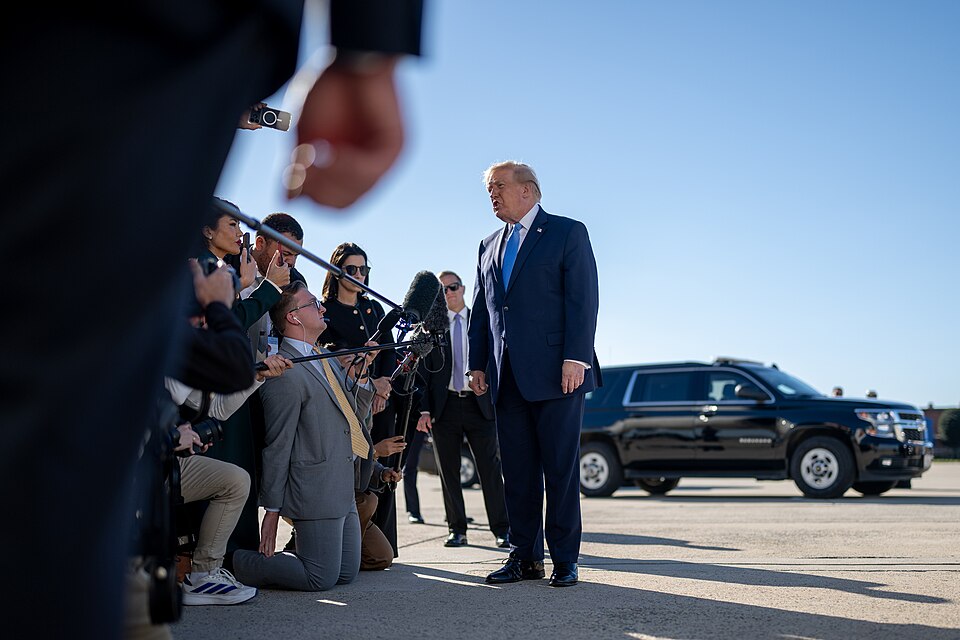
Trump stepped in.
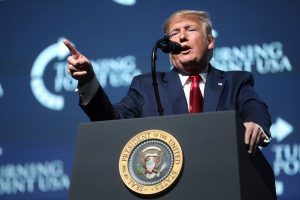
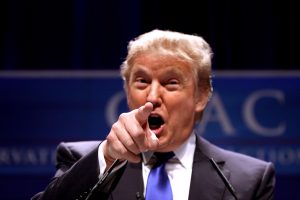
President Donald Trump has revealed that he personally intervened in a major corporate leadership decision involving one of the most powerful technology companies in the United States.
Nvidia officially reinstated Jensen Huang as its chief executive officer on Monday, November 23, following an unexpected leadership shakeup that attracted international attention and raised questions about America’s economic future.
Trump acknowledged that he communicated with members of Nvidia’s board of directors to encourage Huang’s return.
The president’s involvement highlights the growing importance of American technology companies to the nation’s economy, international competitiveness and national security.
It also raises important questions about the relationship between Washington and private American businesses.
Trump Personally Gets Involved in Major Corporate Decision
During a Monday interview with CNBC, Trump confirmed that he played a significant role in convincing Nvidia’s board to bring Huang back.
The president indicated that he had communicated with board members through both direct and indirect channels.
Vice President JD Vance was also reportedly involved in efforts to resolve the company’s leadership uncertainty.
Nvidia subsequently announced that Huang would resume his responsibilities as chief executive officer, company president and member of its board of directors.
The decision came less than two weeks after Huang resigned on November 11 amid controversy surrounding his personal conduct and potential national security concerns.
Trump expressed confidence in Huang’s business leadership and dismissed suggestions that his return presented a national security threat.
However, questions surrounding the circumstances of Huang’s departure have not been fully resolved.
Why Nvidia Is So Important to the American Economy
Although Nvidia may not be a household name for every American, the California-based company has become one of the most influential businesses in the global technology industry.
Nvidia specializes in advanced computer chips that help power artificial intelligence, sophisticated computer systems and large-scale data centers.
Its technology has applications across numerous American industries, including healthcare, manufacturing, banking, transportation and scientific research.
Artificial intelligence is increasingly being used to improve business efficiency, develop medical treatments and modernize industrial operations.
The companies responsible for developing these technologies could play an important role in determining which nations lead the global economy in the coming decades.
As a result, Nvidia’s leadership decisions carry implications that extend far beyond the company’s corporate headquarters.
America’s Growing Technology Competition With China
One of the biggest economic challenges facing Washington is maintaining America’s technological advantage over international competitors, particularly China.
Advanced semiconductor technology has become a central issue in the competition between the world’s two largest economies.
American policymakers have spent years debating restrictions on sensitive technology exports, domestic semiconductor manufacturing and the protection of American intellectual property.
These discussions involve several important national priorities, including protecting American jobs, strengthening domestic manufacturing and preventing sensitive technology from falling into the wrong hands.
The Trump administration’s involvement in Nvidia’s leadership situation comes against this broader economic and geopolitical backdrop.
Maintaining America’s ability to develop advanced technology while protecting national security remains a significant challenge for government officials and business leaders alike.
What Nvidia’s Leadership Change Could Mean for American Retirement Accounts
For millions of Americans approaching retirement or already living on a fixed income, developments involving major publicly traded companies can have financial implications.
Many popular retirement investment portfolios contain shares of large American technology companies through mutual funds, exchange-traded funds and broad stock market index funds.
Even individuals who have never purchased Nvidia stock directly may have indirect exposure to the company through their retirement savings.
Leadership uncertainty at major corporations can influence investor confidence and contribute to stock market volatility.
Huang’s return provides greater clarity regarding Nvidia’s immediate leadership structure, although it does not guarantee stronger financial performance or higher stock prices.
Long-term investors will continue evaluating the company’s earnings, business strategy, competitive position and regulatory challenges.
The situation also serves as a reminder of the importance of diversification when managing retirement investments.
National Security Questions Remain Unanswered
Despite Trump’s confidence in Huang’s return, concerns surrounding the circumstances of the executive’s original resignation remain part of the public discussion.
Questions have emerged about potential foreign influence and whether sensitive American technology could have been placed at risk.
Federal officials have not publicly established that the foreign espionage allegations at the center of the controversy are true.
That distinction is important as investigators examine the available evidence.
America’s national security interests require careful oversight, particularly when private companies develop technology with potential military, economic and intelligence applications.
At the same time, allegations must be evaluated through established investigative and legal procedures rather than treated as proven facts.
Huang’s reinstatement does not automatically resolve those outstanding concerns or prevent additional congressional scrutiny.
Trump’s Decision Opens a Broader Debate About Private Enterprise
Presidential involvement in the leadership decisions of private corporations is relatively unusual.
Traditionally, corporate boards are responsible for selecting executives and making decisions that serve the interests of their companies and shareholders.
However, businesses operating in strategically important industries often have close relationships with the federal government because their activities can affect national security and economic policy.
Supporters of government involvement argue that protecting critical American industries may occasionally require cooperation between Washington and corporate leadership.
Critics caution that excessive political involvement could undermine corporate independence, shareholder interests and accountability.
The Nvidia situation brings these competing considerations into focus.
Finding the appropriate balance between free enterprise and national security will likely remain an important issue as artificial intelligence becomes more deeply integrated into the American economy.
What’s Next for Nvidia and the Trump Administration?
With Huang officially back in charge, Nvidia must now focus on maintaining business stability, advancing its technology and addressing outstanding concerns about corporate governance.
Investors will be watching the company’s financial performance, while lawmakers may continue examining issues involving national security and sensitive technology.
The Trump administration must also navigate the increasingly complicated relationship between American economic interests and the federal government’s responsibility to protect critical infrastructure and technological innovation.
Ultimately, Nvidia’s leadership controversy demonstrates how closely American businesses, national security and economic competitiveness have become connected.
Trump’s intervention has brought Huang back to one of the country’s most important technology companies. Whether that decision proves beneficial will depend on Nvidia’s future performance, corporate accountability and the outcome of any continuing investigations.



Leave a Reply