
Trump warned Democrat voters this would happen.
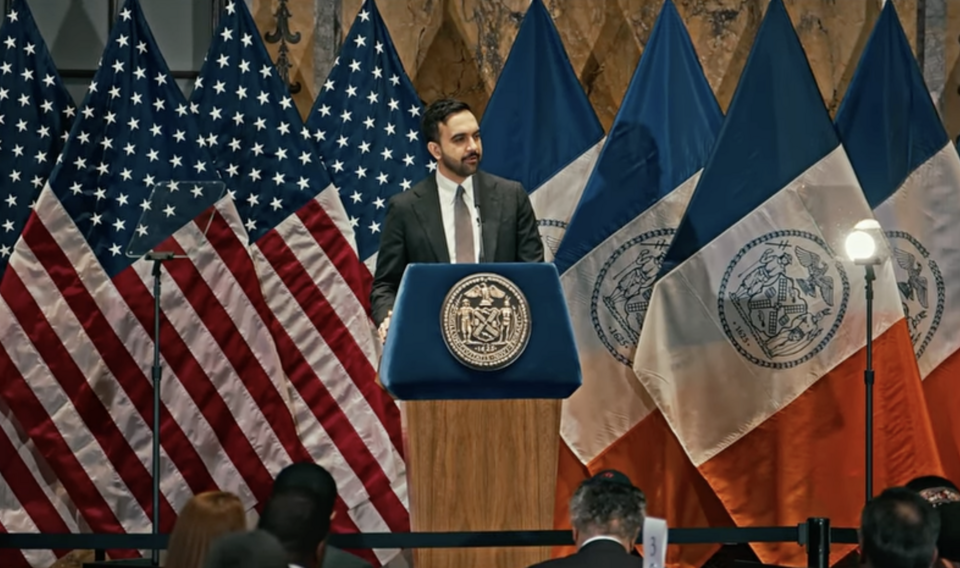
New York City Mayor Zohran Mamdani has announced a sweeping plan to shut down one of the nation’s most controversial jail complexes, a decision that could dramatically reshape the city’s criminal justice system while raising questions about public safety and taxpayer spending.
The mayor revealed Friday that his administration intends to permanently close Rikers Island, New York City’s largest jail complex, and replace it with four smaller facilities across the city.
However, there is a significant catch. The shutdown would not be completed until 2032, five years later than the deadline previously established by city lawmakers.
The announcement comes as New York continues to grapple with concerns about crime, overcrowded correctional facilities, and the growing costs of operating its criminal justice system.
Mamdani Announces Major Changes To NYC Jail System
Under Mamdani’s proposal, Rikers Island would gradually close as New York constructs four replacement jails in Brooklyn, Queens, the Bronx, and Manhattan.
The first facility is scheduled to open in Brooklyn in 2029, with the remaining three expected to follow by 2032.
The plan represents one of the city’s most significant proposed corrections overhauls in decades.
New York originally approved legislation in 2019 requiring Rikers Island to close by August 2027.
However, construction delays, ongoing operational challenges, and the difficulty of reducing the jail population have made that deadline increasingly unrealistic.
Mamdani now wants city lawmakers to extend the closure deadline until December 31, 2032.
The decision highlights the enormous challenges facing local officials as they attempt to replace an aging jail complex while continuing to house thousands of individuals awaiting trial or serving sentences.
Thousands Of Jail Beds At Center Of Proposal
One of the most consequential elements of Mamdani’s plan involves substantially reducing New York City’s jail population.
The city currently holds approximately 6,600 people in its correctional system.
Under the mayor’s proposal, that number would fall to no more than 4,100 by the end of 2032.
That would represent a reduction of approximately 2,500 people, or nearly 38 percent of the current jail population.
City officials hope to achieve that goal by reducing court delays, expanding alternatives to pretrial detention, and improving coordination throughout the criminal justice system.
The proposal does not call for immediately releasing 2,500 inmates. Instead, it outlines a gradual reduction over several years.
Nevertheless, the numbers are likely to become an important part of the public debate.
For residents concerned about repeat offenders and violent crime, questions about who remains in custody and how detention decisions are made could become central to evaluating the administration’s approach.
City officials will need to balance their population-reduction goals with the responsibility to protect neighborhoods and ensure that defendants appear for court proceedings.
Taxpayers Face Major Spending Questions
Mamdani’s announcement also includes a substantial financial commitment.
The administration plans to invest approximately $146 million during the next fiscal year in programs intended to support the transition away from Rikers Island.
Those initiatives include expanded mental health treatment, substance abuse services, educational opportunities, vocational training, and assistance for crime victims.
Officials also intend to establish additional specialized treatment beds for individuals with serious medical and mental health needs.
Supporters believe these investments could improve correctional conditions and help reduce future involvement with the criminal justice system.
However, the spending also raises questions about accountability and whether the programs will deliver the results promised.
The $146 million commitment is not the total construction cost of the replacement jails. Building and operating the new facilities involves additional expenditures.
As New York faces numerous competing financial priorities, residents and taxpayers may want clearer answers about the overall price tag and how the city intends to measure success.
Rikers Island Has Faced Years Of Problems
Rikers Island has been the subject of extensive controversy for decades.
The jail complex has faced repeated allegations involving unsafe conditions, violence, inadequate medical care, staffing shortages, and failures in oversight.
Federal court supervision and longstanding concerns about operations have intensified pressure on New York officials to make fundamental changes.
Supporters of closing Rikers argue that the aging complex is no longer suitable for the city’s correctional needs.
They believe modern facilities with better access to medical services, courts, and transportation could improve conditions for both correctional officers and people in custody.
However, replacing the complex is far from simple.
The city must construct new facilities, manage its existing jail population, and ensure that correctional employees have the resources necessary to maintain security throughout the transition.
Those challenges have already contributed to years of missed targets and delays.
Public Safety Questions Remain
The proposed closure also comes amid an ongoing national debate about criminal justice policies, detention practices, and the proper balance between rehabilitation and accountability.
Mamdani’s administration has emphasized reducing unnecessary incarceration while providing additional treatment and support services.
Supporters argue that addressing mental health problems, substance abuse, and court backlogs can make the justice system more effective.
Others may question whether a substantial reduction in jail capacity could limit the city’s ability to detain defendants who present serious public safety risks.
The proposal itself does not determine which individual defendants will be released or detained. Those decisions remain subject to applicable laws and court proceedings.
Still, the success of the plan could ultimately depend on whether city leaders can demonstrate that their policies maintain public safety while improving conditions inside the correctional system.
What Happens Next For New York City?
The next major step involves the New York City Council, which would need to approve changes to the existing closure deadline.
Meanwhile, officials must continue preparing the replacement facilities and implementing measures intended to reduce the number of people in custody.
The administration is targeting 2029 for the first new jail opening, with the final transition expected by the end of 2032.
That leaves several years for New York officials to address the financial, legal, and operational obstacles surrounding the ambitious proposal.
For Mamdani, the announcement represents a major commitment to reshaping New York City’s criminal justice system.
For residents and taxpayers, however, the central questions remain straightforward: How much will the overhaul ultimately cost, will the new facilities be ready on schedule, and can the city maintain public safety throughout the transition?
Those answers will determine whether the mayor’s shutdown plan becomes a successful reform or another expensive government project facing years of delays.







Leave a Reply