
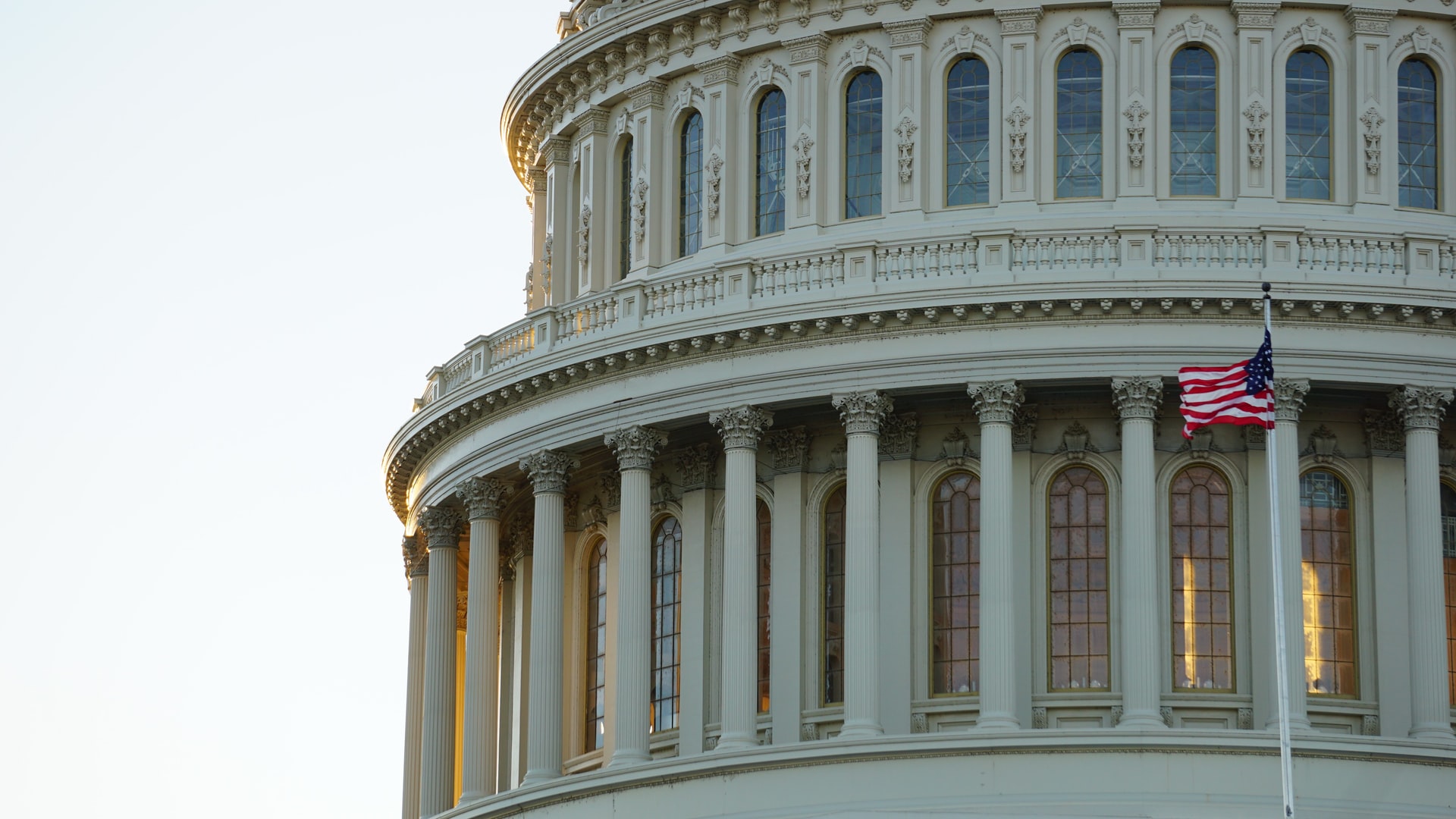
A crucial vote on Capitol Hill has sparked fresh political tensions, raising new questions about what comes next for President Trump and his opponents.
House Democratic Leader Hakeem Jeffries has survived an important leadership vote, putting one of President Donald Trump’s most prominent political opponents on track to become the next speaker of the House.
The New York Democrat secured his party’s nomination Wednesday, November 18, winning 251 votes while 11 Democrats opposed him. The victory comes as Democrats prepare to take control of the House following the 2026 midterm elections.
However, the results also exposed disagreements within the Democratic Party, particularly among progressive lawmakers who want a different approach to leadership and government policy.
While Jeffries emerged victorious, the growing debate over the party’s direction could create challenges when Democrats assume power in January.
Jeffries Overcomes Resistance From Democrats
Jeffries entered Wednesday’s leadership election as the clear favorite, facing no official challenger for the speaker nomination.
Nevertheless, several Democrats had expressed reservations about supporting him.
Much of the resistance came from progressive lawmakers who believe Democratic leadership should pursue a more ambitious legislative agenda.
Some newly elected members have pushed for significant changes involving healthcare, immigration, and economic policies.
Others have questioned whether existing party leaders are prepared to deliver the changes voters demanded during the November elections.
Despite those concerns, Jeffries secured overwhelming support during the closed-door vote.
The outcome demonstrated that most House Democrats are prepared to stand behind him, even as disagreements remain over the party’s future.
Progressive Democrats Push For Bigger Changes
The opposition facing Jeffries reflects a broader struggle within the Democratic Party.
Progressive lawmakers have increasingly called for policies that go beyond traditional Democratic proposals, including expanded government involvement in healthcare and additional economic reforms.
Some have also demanded changes to American foreign policy, particularly regarding Israel.
These issues have created friction between progressive activists and more established Democratic leaders.
For Jeffries, the challenge involves maintaining support from the party’s liberal wing without alienating moderate Democrats representing politically competitive congressional districts.
Those lawmakers often face different political pressures, particularly in communities where Republicans remain competitive.
With Democrats preparing to govern, those differences could become increasingly important.
Disagreements over federal spending, healthcare legislation, immigration enforcement, and economic priorities may require difficult compromises.
Prominent Democrats Rally Behind Jeffries
Despite criticism from some progressive activists, Jeffries maintained support from several influential lawmakers.
Rep. Alexandria Ocasio-Cortez of New York and Rep. Pramila Jayapal of Washington were among the progressive Democrats who backed his leadership.
Their support helped prevent opposition from developing into a more serious challenge.
Jayapal acknowledged the concerns of newly elected lawmakers while indicating that Jeffries understood the frustration motivating demands for change.
The result suggests that leading progressive figures are willing to work with Jeffries, even if they disagree with him on individual policies.
Still, the 11 votes against his nomination show that not everyone is satisfied with the current leadership structure.
Whether those differences become more significant during the next congressional session remains uncertain.
Trump Could Face A More Difficult Congress
Jeffries’ expected rise to speaker carries major implications for President Trump and the Republican Party.
With Democrats preparing to control the House, the administration could face greater resistance to its legislative priorities.
The speaker plays a central role in determining which bills reach the House floor, organizing legislative priorities, and influencing congressional negotiations.
A Democratic majority would also control House committees, potentially increasing oversight of the Trump administration.
Jeffries has repeatedly criticized the president’s policies and political agenda, making future confrontations between the two leaders likely.
However, controlling the House does not guarantee that Democrats will successfully advance every proposal.
They will still need sufficient support within their own caucus, and legislation requiring Senate approval will face additional obstacles.
For Republicans, the divisions within the Democratic Party could present opportunities during negotiations over federal spending and other major legislation.
Why The Speaker Position Matters
The House speaker is one of the most influential positions in the federal government.
Beyond managing the chamber’s legislative agenda, the speaker has significant influence over committee assignments, party strategy, and negotiations with the White House.
The position is also second in the presidential line of succession, following the vice president.
For Americans concerned about taxes, retirement security, healthcare expenses, and government spending, congressional leadership decisions can have substantial consequences.
Lawmakers will continue facing questions about the federal budget, Social Security, Medicare, and the nation’s long-term financial obligations.
Although Wednesday’s vote did not determine the outcome of those issues, it helped establish who is likely to lead the House during upcoming debates.
One Final Vote Still Awaits Jeffries
Despite his decisive victory, Jeffries has not officially secured the speaker’s position.
He must still win the formal House speaker election when the 120th Congress convenes on January 3, 2027.
That election will involve the entire House rather than just Democratic lawmakers.
With Democrats holding a commanding majority following the midterm elections, Jeffries is widely expected to win.
If elected, he would become the first Black speaker in American history.
The historic nature of his potential election has added significance to the leadership contest, although political disagreements remain.
For now, Wednesday’s overwhelming vote places Jeffries in a strong position to claim the gavel.
What Happens Next In Washington?
The leadership election marks an important turning point as Washington prepares for a new political balance.
President Trump will continue occupying the White House, while Democrats are positioned to control the House of Representatives.
That arrangement could produce more intense negotiations and disagreements over the administration’s agenda.
Jeffries will be responsible for keeping together a Democratic caucus that includes both progressive lawmakers seeking sweeping policy changes and moderates who favor a more cautious approach.
His ability to manage those competing interests could determine how effectively Democrats exercise their newly won power.
Republicans will also be watching for signs of division as both parties prepare for the next congressional session.
For now, Jeffries has survived a key test and moved closer to becoming House speaker. But winning his party’s nomination may prove easier than keeping Democrats united once they begin confronting President Trump from a position of congressional power.








Leave a Reply