
Here’s their new plan.
Democrats are taking an unusual approach to advancing their healthcare agenda, suggesting they would be willing to put President Donald Trump’s name on a major federal healthcare program if it meant securing his support.
The surprising proposal comes as lawmakers debate the future of Medicare, healthcare costs, and the federal government’s role in providing medical coverage to millions of Americans.
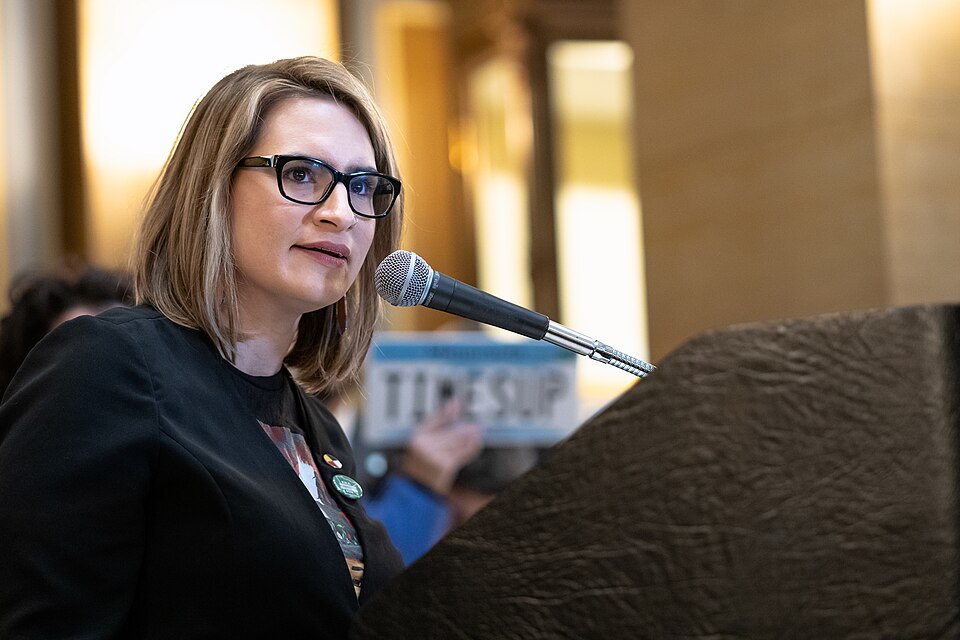
Minnesota Senator-elect Peggy Flanagan said Sunday that Democrats would gladly embrace the name “TrumpCare” if the president agreed to help move Medicare for All legislation forward.
Her remarks highlight a significant development in Washington, where Democrats who have frequently opposed Trump’s policies are now expressing interest in working with him on one of their biggest legislative priorities.
Democrat Makes Surprising Offer To Trump
During a November 22 appearance on CNN’s State of the Union, Flanagan discussed the possibility of reaching a healthcare agreement with the Trump administration.
The conversation followed a public exchange involving Trump and Michigan Senator-elect Abdul El-Sayed, who had suggested that Democrats could work with the president on a new healthcare proposal.
El-Sayed even raised the possibility of naming the initiative after Trump.
Rather than rejecting the suggestion, Flanagan enthusiastically embraced it.
“If we have to call it TrumpCare in order to get it across the finish line, that’s fine by me,” Flanagan said.
The Minnesota Democrat explained that her priority was expanding healthcare coverage, regardless of which political leader received recognition.
She also suggested that Americans were growing increasingly frustrated with the cost of health insurance and medical treatment.
Her willingness to attach Trump’s name to a traditionally Democratic policy represents an unusual attempt to find common ground between political opponents.
Democrats Want Major Changes To Medicare
At the center of the discussion is Medicare for All, a proposal that has generated years of debate over healthcare costs, insurance coverage, and federal spending.
Progressive Democrats have repeatedly advocated expanding government-supported healthcare coverage to Americans who do not currently qualify for traditional Medicare.
Depending on the legislation, such a proposal could fundamentally reshape the nation’s health insurance system.
Supporters believe expanding coverage could reduce the financial burden associated with medical treatment and help families struggling with expensive insurance plans.
Opponents have questioned whether a larger federal healthcare system would result in higher taxes, greater government spending, or fewer private insurance options.
These competing concerns have made Medicare for All one of the most contentious issues in American politics.
For older Americans, the discussion carries particular importance because traditional Medicare already provides essential coverage to tens of millions of seniors and eligible individuals with disabilities.
Any proposed expansion would require careful consideration of how existing Medicare benefits, healthcare providers, and federal funding would be affected.
Rising Healthcare Costs Fuel Debate
Flanagan pointed to the financial difficulties facing Minnesota residents as a major reason for pursuing healthcare reform.
During her CNN appearance, she described hearing from constituents who were paying substantial insurance premiums while still struggling to receive affordable medical treatment.
She cited examples of insurance deductibles reaching $18,000, arguing that the existing system was placing unacceptable financial pressure on American families.
High deductibles can require patients to pay thousands of dollars out of pocket before certain insurance benefits begin covering medical expenses.
For families living on fixed incomes, such costs can create difficult choices between healthcare, housing, groceries, and other necessities.
Healthcare affordability has become an increasingly important concern for Americans approaching retirement, particularly those who have not yet reached Medicare eligibility.
However, there remains considerable disagreement over whether expanding federal healthcare programs would ultimately make coverage more affordable.
While some lawmakers favor a larger government role, others support policies designed to increase competition, improve price transparency, and preserve private insurance choices.
Trump’s Response Raises New Questions
The possibility of cooperation gained attention after Trump shared El-Sayed’s healthcare proposal on social media.
The exchange prompted speculation about whether the president might be willing to negotiate with Democrats on a significant healthcare initiative.
However, sharing a proposal does not necessarily indicate support for every provision it contains.
Trump has not established that he supports the complete Medicare for All framework advocated by progressive Democrats.
Any agreement would require negotiations over major questions involving eligibility, insurance coverage, federal costs, and the future of private healthcare plans.
Congress would also need to approve legislation before any substantial changes could become law.
Nevertheless, Democrats appear interested in exploring whether Trump’s participation could help advance policies that have struggled to gain sufficient bipartisan support.
The development illustrates how healthcare affordability could create unexpected opportunities for cooperation, even between lawmakers with sharply different political philosophies.
What Would TrumpCare Mean For Seniors?
For retirees and Americans approaching retirement, the debate raises several important questions.
Traditional Medicare helps eligible Americans pay for hospital care, physician services, and other medical expenses, although beneficiaries can still face premiums, deductibles, and additional out-of-pocket costs.
Expanding federal healthcare coverage could affect government spending, provider payments, and the broader insurance marketplace.
The exact consequences would depend on the details of any legislation ultimately introduced.
Older Americans would likely want clear answers about whether a new program would protect existing Medicare coverage, preserve access to preferred doctors, and maintain reliable prescription drug benefits.
Questions about healthcare funding would also be important, particularly given ongoing concerns about the long-term financial outlook for federal entitlement programs.
Simply naming a proposal “TrumpCare” would not resolve these issues.
The final legislation, rather than its political branding, would determine how patients, taxpayers, and healthcare providers are affected.
Can Democrats And Trump Reach An Agreement?
Despite Flanagan’s willingness to compromise on the name, considerable obstacles remain.
Medicare for All has traditionally faced resistance from Republicans concerned about federal spending and government involvement in healthcare.
Democrats themselves have also disagreed over the best approach to expanding coverage, with some supporting a public insurance option rather than a comprehensive replacement of the existing system.
Those differences would need to be addressed before a serious bipartisan agreement could emerge.
Still, the discussion demonstrates how political leaders may be willing to reconsider traditional negotiating strategies when major legislative priorities are at stake.
Flanagan’s proposal suggests that some Democrats view Trump’s participation as a potential opportunity to advance healthcare policies they have supported for years.
Whether the president would accept such an arrangement remains uncertain.
A New Political Strategy Emerges
The latest healthcare discussion has created an unusual situation in Washington.
Democrats are offering to associate Trump’s name with a major healthcare initiative, while the president has shown enough interest in the conversation to draw attention to the proposal publicly.
For Democrats, the potential reward would be progress toward expanding healthcare coverage.
For Trump, any eventual agreement could offer an opportunity to influence healthcare policy and claim a significant bipartisan legislative accomplishment.
But the political benefits remain hypothetical, and there is no finalized agreement establishing what a Trump-backed healthcare overhaul would actually include.
The larger challenge will be determining whether lawmakers can agree on reforms that improve affordability while addressing concerns about federal spending, patient choice, and the future of Medicare.
For now, Democrats have made their position clear: They are willing to use Trump’s name to advance their healthcare objectives. Whether the president is willing to support the underlying policies is a much bigger question.






Leave a Reply