
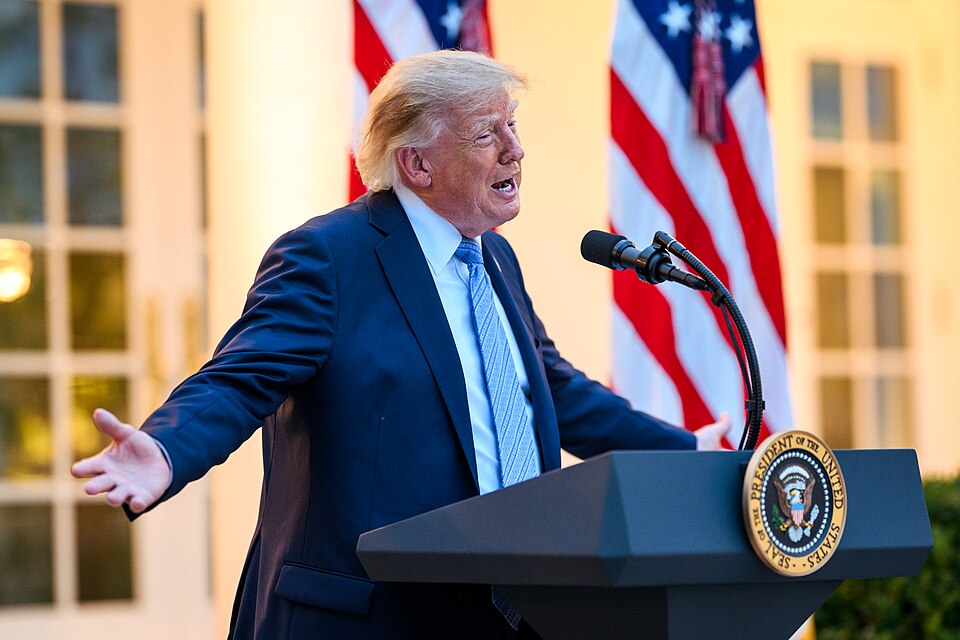
Trump just made a major move.
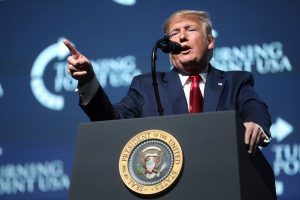
President Donald Trump is backing a new effort to prevent individuals from profiting financially by using their political connections to secure presidential pardons, bringing renewed attention to government ethics, transparency and accountability in Washington.
During an Oval Office interview with the New York Post on Tuesday, Trump condemned the growing industry of paid pardon consultants and expressed support for legislation aimed at addressing the practice.
The announcement comes amid controversy involving former Trump attorney Alina Habba and a reported $50 million business agreement connected to the family of a Venezuelan billionaire who received a presidential pardon.
Trump’s remarks could set the stage for a significant debate in Congress over how to protect the integrity of presidential clemency.
Trump Takes Stand Against Paid Pardon Arrangements
Trump expressed concern that individuals seeking presidential pardons may hire politically connected representatives who stand to receive substantial financial compensation.
The president explained that those recommending clemency sometimes present compelling arguments about individuals who may have been treated unfairly by the criminal justice system.
However, undisclosed financial arrangements can raise questions about the motivations behind those recommendations.
Trump made clear that he considers the practice unacceptable and indicated that he would support legislative efforts to address it.
His position highlights an important distinction between legitimate legal representation and arrangements that could allow individuals to profit from their access to powerful government officials.
The controversy has also renewed questions about whether existing federal ethics and disclosure requirements provide sufficient protection against potential conflicts of interest.
Alina Habba’s $50 Million Agreement Faces Scrutiny
The debate intensified following reports involving Habba, who previously served as one of Trump’s personal attorneys before joining his administration.
Habba reportedly entered into an employment agreement potentially worth $50 million with a business connected to the family of Venezuelan billionaire Julio Herrera Velutini.
The agreement attracted widespread attention because Herrera Velutini received a presidential pardon from Trump on January 15, 2026, following a federal criminal case involving bribery allegations.
After learning about the reported financial arrangement, Trump publicly expressed his disapproval. The agreement was subsequently terminated.
Habba has denied wrongdoing and maintained that she did not participate in efforts to obtain the presidential pardon. She has also expressed support for Trump’s latest push to address paid pardon arrangements.
No finding that the pardon was purchased has been established by the reported employment agreement alone.
Nevertheless, the circumstances have generated renewed interest in how financial relationships involving individuals close to government officials are disclosed and reviewed.
New Legislation Could Strengthen Government Accountability
Lawmakers on Capitol Hill are already examining potential changes to federal laws governing financial arrangements involving presidential clemency.
Democratic Reps. Jason Crow of Colorado and Mike Levin of California have introduced the Abuse of the Pardon Prevention Act of 2026.
The proposal seeks to increase oversight and clarify how federal bribery restrictions apply to presidential pardons and commutations.
Trump’s support for addressing paid pardon arrangements could provide an opportunity for bipartisan discussions, although differences remain over how any legislation should be structured.
Any proposal would need to move through Congress before reaching the president’s desk.
Lawmakers would also need to ensure that new regulations remain consistent with the Constitution.
Preserving the Constitutional Power of Presidential Pardons
Under Article II of the U.S. Constitution, presidents possess broad authority to grant clemency for federal offenses.
Presidents from both political parties have exercised this authority throughout American history, including in cases involving excessive sentences, rehabilitation and concerns about the fairness of criminal proceedings.
Presidential pardons can provide individuals with opportunities to rebuild their lives and restore certain rights following federal convictions.
However, financial conflicts of interest can undermine public confidence in the process.
Greater transparency could help distinguish legitimate requests for mercy from arrangements involving undisclosed financial incentives.
The challenge facing Congress is developing effective safeguards without interfering with the constitutional authority of the presidency.
What Trump’s Announcement Means Moving Forward
Trump’s endorsement of legislative action has brought renewed national attention to an issue that could become an important part of Washington’s government ethics debate.
While no new law has yet been enacted, the president’s remarks signal a willingness to consider additional protections against the exploitation of presidential clemency.
Whether Congress can reach an agreement remains to be seen.
For Americans concerned about government integrity and equal treatment under the law, the broader issue is whether presidential pardons can remain an instrument of justice and mercy without becoming an opportunity for undisclosed financial gain.



Leave a Reply