
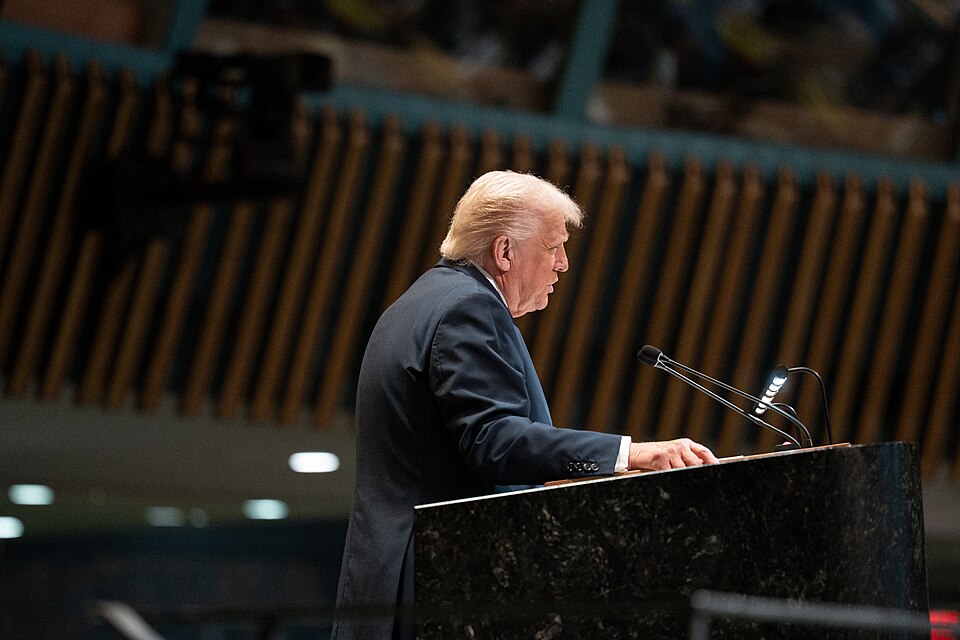
Is Trump going to work with Democrats?
President Donald Trump is signaling a willingness to work with congressional Democrats on a major healthcare agreement, opening the door to potentially significant reforms that could affect health insurance premiums, prescription drug prices and medical expenses for millions of Americans.
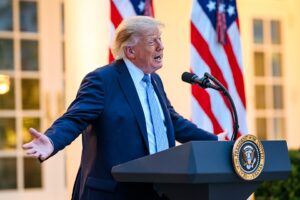
Speaking to reporters at his Mar-a-Lago estate on Thanksgiving, Trump expressed optimism about finding common ground with Democrats despite the political divisions that have dominated Washington.
“I have a feeling we’re going to end up with a very bipartisan relationship with the Democrats,” Trump said.
The president’s comments come as Democrats prepare to assume control of both chambers of Congress in January following the 2026 midterm elections.
Rather than spending the remainder of his presidency battling Congress over every piece of legislation, Trump indicated that he would consider agreements that deliver meaningful results for the American people.
Trump Looks To Address Rising Healthcare Costs
Healthcare affordability remains one of the most pressing financial challenges facing American households.
From expensive prescription medications to rising health insurance premiums and substantial out-of-pocket medical expenses, many families are struggling to manage their healthcare budgets.
These financial pressures are particularly significant for retirees living on fixed incomes and individuals approaching retirement who have not yet qualified for Medicare coverage.
Trump’s willingness to negotiate could create an opportunity for lawmakers to address several longstanding problems within the American healthcare system.
Potential areas of bipartisan cooperation could include prescription drug affordability, hospital price transparency, health insurance competition and efforts to reduce unnecessary administrative expenses.
However, the president has not announced a comprehensive agreement with Democratic leadership, and the details of any future legislation remain uncertain.
Democrats Push Their Own Healthcare Agenda
Several Democratic lawmakers have expressed interest in pursuing substantial healthcare reforms when the new Congress convenes.
Michigan Democratic Senator-elect Abdul El-Sayed has even suggested working with Trump on a government-run healthcare proposal that could carry the president’s name.
However, significant differences remain between the two political parties over how the healthcare industry should operate.
Progressive Democrats have advocated for expanding government involvement through proposals such as Medicare for All, while many Republicans favor private-sector competition, consumer choice and limiting federal spending.
Any comprehensive healthcare agreement would likely face considerable debate over its financial impact, particularly regarding federal taxes, government debt and the future of private health insurance coverage.
Although expanding healthcare access remains an important objective, lawmakers must also consider how new programs would be financed and whether proposed changes could disrupt existing medical coverage.
What A Healthcare Deal Could Mean For Americans
For many households, the most important consideration is whether Washington can deliver measurable savings without compromising the quality of medical care.
Rising insurance deductibles, specialist appointments, hospital bills and prescription medication costs can place considerable strain on household finances.
Americans planning for retirement also face uncertainty surrounding future Medicare expenses, supplemental insurance coverage and long-term care costs.
Greater transparency in medical billing could help patients make more informed financial decisions, while increased competition among healthcare providers and insurance companies could potentially improve affordability.
Reducing unnecessary government expenditures and administrative inefficiencies may also provide opportunities for savings without requiring sweeping changes to the entire healthcare system.
The ultimate effectiveness of any bipartisan agreement, however, would depend on its specific provisions and implementation.
Washington Faces A Major Test In 2027
Trump’s latest remarks suggest that healthcare could become one of the first major opportunities for cooperation between the White House and the incoming Democratic Congress.
House Democratic leader Hakeem Jeffries has also expressed openness to exploring areas of agreement with the administration.
Nevertheless, significant political and financial obstacles remain, particularly as lawmakers debate the appropriate role of the federal government in healthcare.
Trump has demonstrated an interest in pursuing negotiations rather than automatically rejecting every proposal from the opposing party.
Whether congressional Democrats and Republicans can reach a fiscally responsible agreement that lowers medical expenses, preserves patient choice and protects taxpayers remains to be seen.
For now, the possibility of a major bipartisan healthcare deal is on the table. The real test will be whether Washington can translate those discussions into meaningful financial relief for American households.



Leave a Reply