
[ad_1]
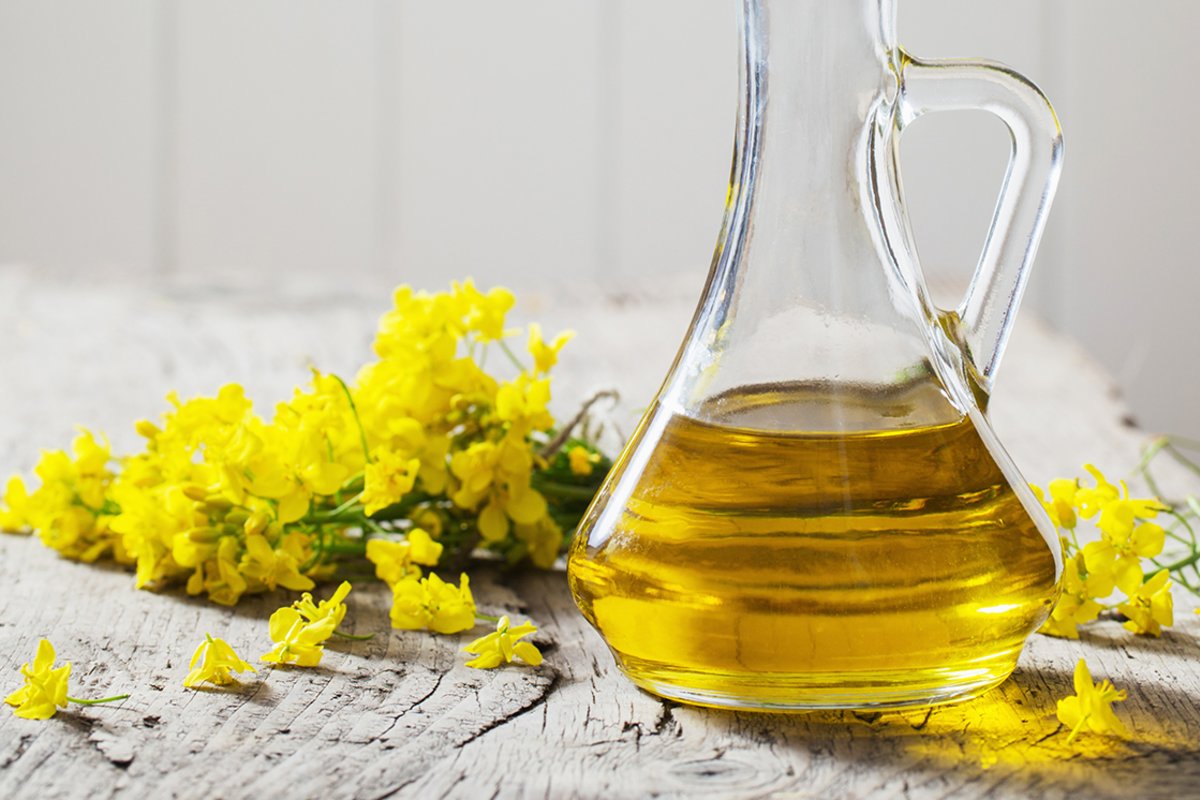
A few of the oils in query in Leveque’s put up embrace soybean, corn, canola (rapeseed), sunflower (extra particulars on the nuance of sunflower oil right here), safflower, cottonseed, grapeseed, and rice bran. “Industrial seed oils have been thought-about industrial waste and used solely in cleaning soap making till 1911, however within the final 2 many years we’ve seen them added to all the pieces from oat milk, protein bars, cookies, crackers, dip, dressings and prepackaged meals….plus all of the quick informal and quick meals eating places use them to prepare dinner/fry all the pieces,” she shares in her put up.
These oils are made by heating the seeds to excessive temperatures, inflicting the polyunsaturated fat within the seeds (PUFA) to oxidize, which LeVeque says can create dangerous byproducts for people. “These seeds are then processed with a petroleum-based solvent corresponding to hexane,” she says. “That is to maximise the quantity of oil that may be extracted from these seeds.”
These oils are additionally chemically deodorized as a result of, in accordance with LeVeque, they odor like a combination of fish and soiled toes, thus inflicting the manufacturing of trans fat (that are notoriously dangerous for human well being.) After the addition of much more chemical compounds to enhance the colour, these seed oils in the end can have a unfavourable impression on our total well being.
“Between [the] years of 1959 and 2008 the rise [in] polyunsaturated fat, particularly linoleic acid has gone [up] 2 1/2 fold from 9.1% to 21.5%,” warns LeVeque. “We would like a 1:1 ratio and we’re actually removed from that proper now. Once I was writing my first ebook in 2016 it was a 12:1 omega-6 to omega-3 ratio and at this time estimates have greater than doubled.”
[ad_2]








Leave a Reply