
This is ridiculous.
A new report is putting a spotlight on federal spending after researchers identified approximately $230 million in taxpayer-funded grants and commitments connected to projects referencing “intersectionality,” with much of the spending concentrated during the Biden administration.
The findings are fueling fresh questions about government spending, DEI-related policies and whether federal tax dollars should support programs that incorporate race, gender, class and other identity-based considerations.
According to a review by the conservative Defense of Freedom Institute and Legal Insurrection Foundation, researchers identified 249 federal assistance award records containing the term “intersectionality.”
The report says those records account for approximately $230 million in federal obligations, meaning money committed by the government, and roughly $140 million in actual outlays.
For taxpayers concerned about Washington spending, however, another number may attract even more attention: researchers say roughly 100 of the awards appear to remain active, with some programs scheduled to continue for years.
Federal Spending Rose During Biden Administration
Intersectionality is an academic framework examining how different characteristics — including race, sex, income and class — can overlap and affect a person’s experiences.
Its influence has expanded beyond universities in recent decades and into government, corporate and nonprofit programs.
The new report argues that the concept also became increasingly embedded in federal grantmaking.
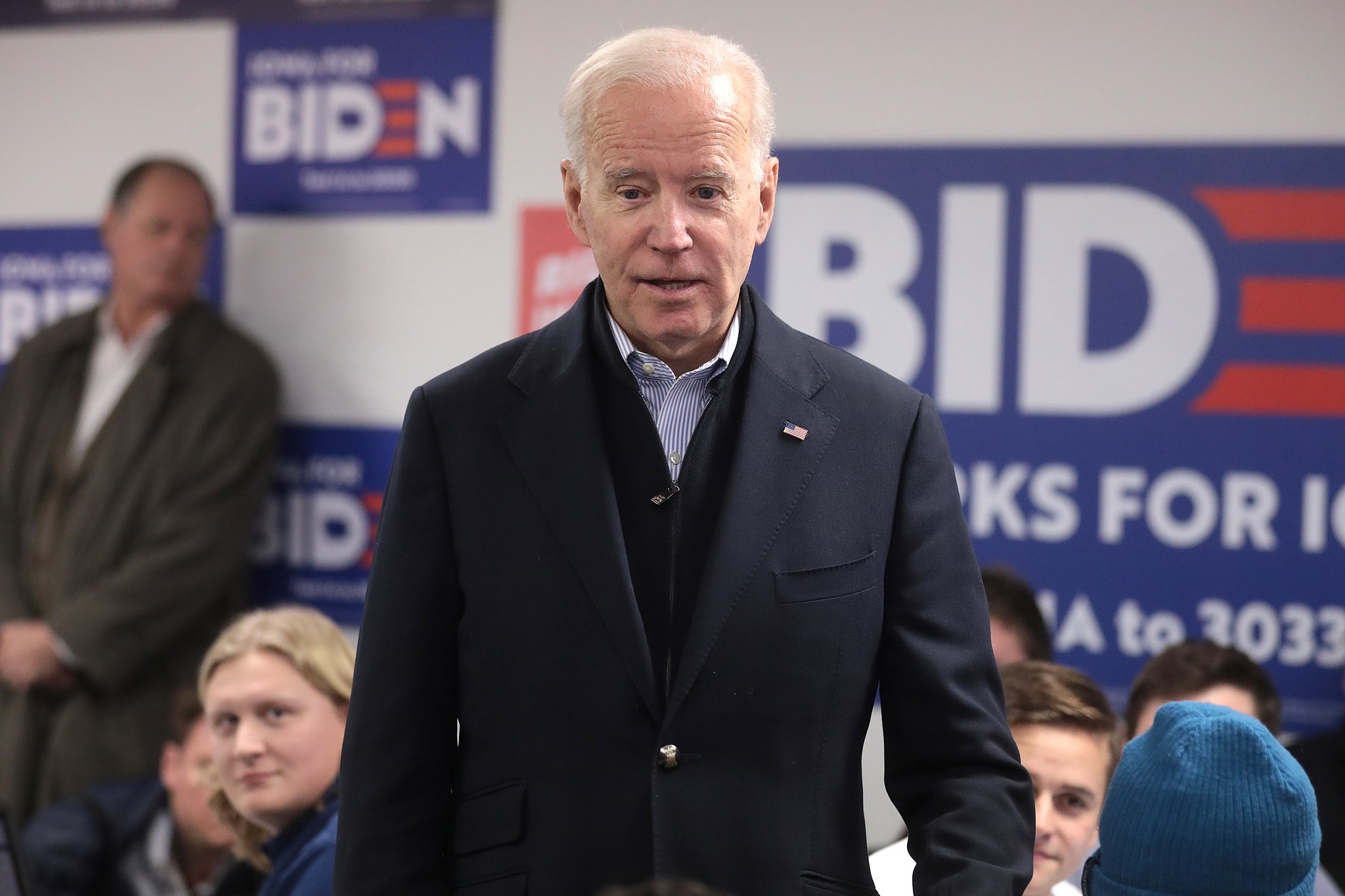
Researchers found that the largest concentration of spending occurred from 2022 through 2024, during former President Joe Biden’s administration.
That period coincided with the Biden administration’s broader emphasis on diversity, equity and inclusion policies throughout the federal government.
Now, President Donald Trump’s administration is pursuing a substantially different approach, seeking to eliminate federal programs it believes improperly use race or other protected characteristics when distributing government benefits and funding.
Where Did Taxpayer Money Go?
The grants identified in the report were not confined to one department or one type of program.
They stretched across federal agencies and involved subjects including health research, cancer prevention, disability programs, STEM education, violence prevention, university initiatives and community programs.
That distinction matters.
The report itself does not claim that every underlying program was illegitimate or lacked a legitimate public purpose. Cancer research, medical programs and disability services, for example, can serve important government objectives.
Instead, the conservative groups behind the review question whether intersectionality and other identity-based frameworks should influence how federal grants are awarded, administered or evaluated.
Several large awards highlighted by the researchers illustrate the scale of the spending.
Millions Went to Universities and Health Programs
Among the largest examples was approximately $14.25 million awarded to Drexel University for a project titled “Catalyzing Systemic Change at Drexel University to Support Diverse Faculty in Health Disparities.”
Another approximately $10.99 million was awarded to the New Hampshire Department of Health for cancer prevention and control programs.
Researchers also highlighted approximately $8.16 million for New York University and its National Center for Engagement in Diabetes Equity Research.
The University of California, San Francisco received approximately $7.53 million for a national Asian American cancer cohort.
Vanderbilt University was awarded $4 million for an autism self-advocacy center focused on equity and neurodiversity in engineering.
Those examples demonstrate why the controversy is more complicated than simply labeling every dollar as spending on intersectionality.
Many grants finance broader medical, scientific or educational programs in which intersectionality is one component of the project’s description or methodology.
Critics Question Identity-Based Approach
The organizations behind the report argue that the problem arises when government programs begin treating Americans differently based on race, sex or combinations of other protected characteristics.
William Jacobson, founder of the Legal Insurrection Foundation and a Cornell Law School professor, has called for the Trump administration to stop federal funding that promotes intersectionality.
Jacobson and other critics contend that the framework divides Americans into categories based on perceived privilege and disadvantage instead of treating individuals equally.
The report argues that government agencies can address genuine economic and social needs without relying on identity-based classifications.
Factors such as income, unemployment, geography, disease prevalence, disability needs, disaster damage and gaps in public services can provide objective ways of determining where assistance is needed, according to the authors.
That argument could resonate with Americans who believe government programs should prioritize measurable need rather than race or ideology.
Some Taxpayer Money Has Not Been Spent Yet
Perhaps the most significant issue for the Trump administration is that not all of the committed money has been paid out.
The researchers found approximately $230 million in obligations but about $140 million in outlays.
That difference means some money associated with the identified grants could still be spent in the future.
Several programs have performance periods stretching into 2027, 2028, 2029 and even 2030.
One example cited by researchers is Vanderbilt University’s $4 million award. The report says only about $161,000 had been paid out when the data was examined.
That leaves the Trump administration facing questions about whether existing awards can or should be modified, allowed to expire or otherwise reviewed under federal law.
Trump Has Already Targeted DEI Policies
President Trump has made eliminating federal DEI initiatives a major priority of his administration.
The latest report argues that simply removing programs explicitly labeled “DEI” may not be enough.
Its authors contend that agencies could continue similar practices under terminology such as intersectionality, equity or other identity-related frameworks.
They are therefore calling on the White House and Office of Management and Budget to establish clearer restrictions governing federal grants.
The groups specifically want federal agencies to review programs in which race, sex or other protected characteristics could influence eligibility, scoring, funding decisions or compliance requirements.
Supporters and Critics See the Issue Differently
Supporters of intersectional research argue that examining multiple demographic and economic factors can help researchers understand why certain communities experience different health, educational or economic outcomes.
For example, researchers studying cancer could examine whether income, geography, age and demographic characteristics affect access to screenings or treatment.
Critics counter that government crosses an important line when such research moves from collecting information to giving preferences or disadvantages to individuals based on group identity.
That distinction is likely to become increasingly important as the Trump administration reviews programs inherited from the Biden years.
$230 Million Figure Could Fuel Washington Spending Debate
The findings arrive as federal spending and government efficiency remain major issues for millions of Americans.
For taxpayers, the debate ultimately comes down to a straightforward question: What should Washington be allowed to do with their money?
Federal dollars routinely support medical research, universities, scientific studies and programs designed to assist Americans in need.
But critics argue those legitimate goals should not become vehicles for political or ideological agendas.
The report’s authors are now urging the Trump administration to review remaining grants and establish rules preventing federal money from being distributed according to what they consider identity-based ideological standards.
With approximately $230 million in federal obligations identified and roughly 100 awards potentially still active, the controversy may be far from over.
The Biden administration may be gone, but the battle over how its government programs used taxpayer dollars is continuing in Washington — and President Trump could ultimately decide what happens to millions of dollars that have yet to be spent.






Leave a Reply