
Here’s what happened.
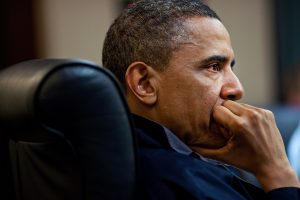
Former President Barack Obama is reigniting debate over U.S. policy toward Iran after taking aim at the Trump administration’s handling of the recent conflict, arguing that the war came at a tremendous cost while leaving major questions unresolved.
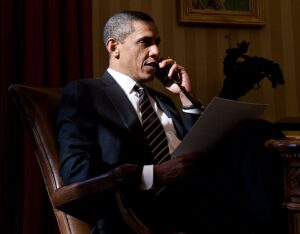
Speaking during an interview that aired Friday on NBC’s Today, Obama suggested that years of fighting, military spending, and diplomatic turmoil may have left the United States in a position that is not significantly different from where it started.
Obama argued that the conflict has cost the United States billions of dollars, placed significant pressure on the military, and resulted in substantial loss of life, while leaving the country in a position that he believes is largely unchanged—or potentially worse—than before the war began.
The comments immediately added fuel to an ongoing political debate over whether military action or diplomacy offers the best path for dealing with Iran’s nuclear ambitions.
Obama Defends Earlier Iran Nuclear Agreement
Obama made the remarks while promoting the opening of his presidential center in Chicago, which officially welcomed visitors Friday after a high-profile opening celebration.
Among the exhibits featured at the museum is a section dedicated to the Joint Comprehensive Plan of Action (JCPOA), commonly known as the Iran nuclear deal. The agreement was negotiated during Obama’s presidency and was designed to limit Iran’s nuclear program in exchange for sanctions relief and international inspections.
President Donald Trump withdrew the United States from the agreement during his first term, arguing that it failed to adequately protect American interests and did not permanently stop Iran’s nuclear ambitions.
Obama continues to defend the deal and used the interview to argue that ending the agreement ultimately accelerated Iran’s nuclear development.
Obama said he welcomed the ceasefire and expressed hope that it would remain in place, but argued that the conflict stemmed from the collapse of a previous nuclear agreement that had restricted Iran’s ability to pursue nuclear weapons. He contended that withdrawing from that arrangement ultimately allowed Tehran to expand its nuclear capabilities.
Trump Pursues New Agreement With Tehran
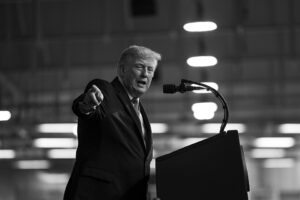
Obama’s criticism comes just days after Trump announced a new memorandum of understanding with Iran that could serve as the foundation for future negotiations.
The framework agreement is expected to lead to additional technical discussions aimed at reducing tensions, preventing further military escalation, and restoring normal shipping activity through the Strait of Hormuz, one of the world’s most important energy trade routes.
The administration has presented the agreement as a major step toward securing long-term stability while protecting U.S. interests in the region.
However, the deal has already sparked debate in Washington.
Some lawmakers have questioned provisions involving sanctions relief and a proposed reconstruction fund, arguing that the details deserve close scrutiny before any final agreement is reached.
Others believe diplomacy remains the most practical way to prevent another costly conflict in the Middle East.
Republicans Signal Concerns
While many Republican lawmakers support Trump’s broader approach toward Iran, some have made it clear they do not want a new agreement that closely resembles the Obama-era nuclear deal.
Sen. Joni Ernst of Iowa recently expressed concern about the possibility of what critics have dubbed “JCPOA 2.0,” reflecting a broader debate over how much leverage the United States should maintain during negotiations.
At the same time, Trump has rejected claims that the new framework represents a concession to Tehran.
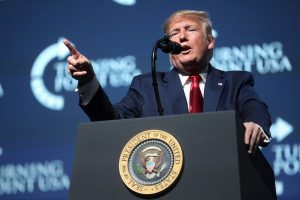
In a post on Truth Social Friday morning, the president argued that Iran entered negotiations from a position of weakness and insisted that the United States remains firmly in control of the process.
Trump argued that Iran—not the United States—was the side under pressure during the negotiations. He maintained that Tehran had been severely weakened and insisted that no financial assistance would be provided while the administration continues discussions over the next 60 days.
A Debate That Is Far From Over
The exchange between Obama and Trump highlights a foreign policy argument that has shaped American politics for more than a decade.
Supporters of diplomacy point to negotiated agreements as the best way to limit nuclear development and avoid military conflict. Critics argue that past deals failed to produce lasting results and gave Iran opportunities to strengthen its position.
As ceasefire talks continue and negotiators prepare for additional discussions, the success or failure of Trump’s new agreement could have major consequences for U.S. foreign policy, global energy markets, and stability throughout the Middle East.
For now, Obama’s latest criticism ensures that the debate over Iran, diplomacy, and America’s role in the region remains very much alive.

Leave a Reply