
Here’s what happened.
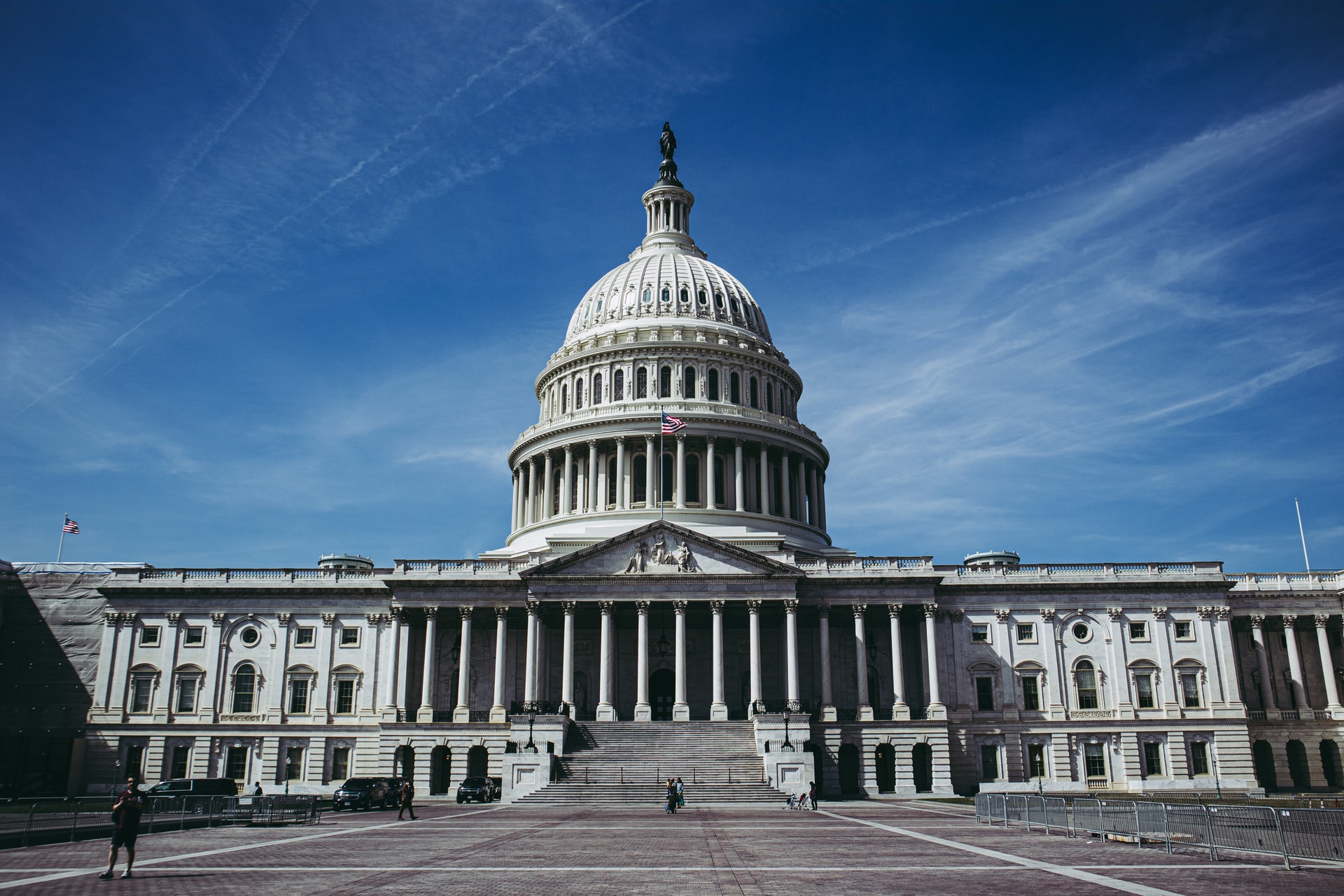
President Donald Trump’s effort to advance a major election reform proposal is facing a temporary setback as Senate Republicans shift their attention to another pressing issue: keeping the federal government funded and avoiding a shutdown before the upcoming midterm elections.
While House Republicans have approved a budget reconciliation framework that could help move portions of the SAVE America Act through Congress, Senate leaders say government funding must come first. The differing approaches have sparked debate within the Republican Party over whether Congress should tackle both priorities at the same time.
Senate Prioritizes Government Funding
Senate Majority Leader John Thune, R-S.D., has indicated that the Senate will first focus on passing a continuing resolution (CR), a temporary funding measure designed to keep federal agencies operating if lawmakers cannot reach a long-term spending agreement.
Because most government funding bills require 60 votes in the Senate, Republicans are expected to need Democratic support to move a continuing resolution forward. Negotiations between both parties are already underway.
Supporters of Thune’s strategy argue that preventing a government shutdown is the most urgent priority, particularly with the fall midterm elections approaching. Others within the GOP believe delaying other legislative priorities could reduce momentum for measures conservatives have long supported.
What Is the SAVE America Act?
The SAVE America Act is an election-related proposal backed by President Trump that Republicans hope to advance through the budget reconciliation process. Supporters say the legislation would strengthen election integrity and increase public confidence in the nation’s voting system.
However, some Senate Republicans acknowledge that portions of the proposal could face procedural challenges under the Senate’s reconciliation rules, which limit what policies can be included in legislation passed by a simple majority.
Republicans Split on the Best Strategy
Some Republican lawmakers believe Congress should move forward with both government funding and election legislation simultaneously.
Sen. John Kennedy, R-La., said he supports Thune but disagrees with delaying work on the election proposal. Kennedy expressed concern that lengthy negotiations with Senate Democrats could complicate Republican priorities.
Sen. Katie Britt, R-Ala., took a different view, arguing that lawmakers have a responsibility to pursue bipartisan funding negotiations while continuing to advance the legislative process whenever possible.
The disagreement reflects a broader strategic debate rather than a dispute over overall Republican goals.
House Leaders Push to Advance Both Priorities
House Republicans have urged the Senate to move more quickly on the reconciliation package.
House Majority Leader Steve Scalise, R-La., said Congress should be able to advance government funding while also continuing work on election legislation.
Earlier this week, the House passed its own continuing resolution to temporarily fund the federal government. The Senate, however, is pursuing a version that has a greater chance of earning enough bipartisan support to clear the chamber’s 60-vote threshold.
House Appropriations Committee Chairman Tom Cole, R-Okla., said he remains open to any approach that can prevent a government shutdown while maintaining sufficient Republican support.
Senate Faces Additional Challenges
Even if the Senate moves forward with the reconciliation package, the election provisions could still encounter additional obstacles.
Some lawmakers have questioned whether key sections of the SAVE America Act comply with Senate reconciliation rules. Others note that Republican leaders must first secure enough support within their own conference before bringing the measure to the floor.
When asked about criticism surrounding the delay, Thune emphasized that Senate leaders are focused on ensuring they have enough votes to move forward.
He also reiterated that avoiding a government shutdown remains the chamber’s immediate priority.
Republicans Agree on the End Goal
Although Republicans differ on legislative strategy, most agree that preventing a government shutdown remains essential while continuing to pursue conservative policy priorities.
Rep. Michael Cloud, R-Texas, said Congress should continue working on multiple issues at once, including government funding, election legislation, and national defense priorities.
For now, Senate leaders appear committed to resolving the government funding debate before shifting full attention to the reconciliation package. Whether that approach delays or ultimately strengthens Trump’s election agenda will likely become clearer as lawmakers continue negotiations in the weeks ahead.
Key Takeaways
- Senate Republicans are prioritizing government funding before advancing Trump’s election proposal.
- House Republicans want Congress to move government funding and election legislation at the same time.
- The SAVE America Act could face additional procedural hurdles under Senate reconciliation rules.
- Senate leaders say preventing a government shutdown is their immediate priority.
- The timing of the election legislation remains uncertain as negotiations continue in both chambers.






Leave a Reply