
Was this really necessary?
Katy Perry Condemns White House’s Use of Her Hit Song in Iran Strike Video
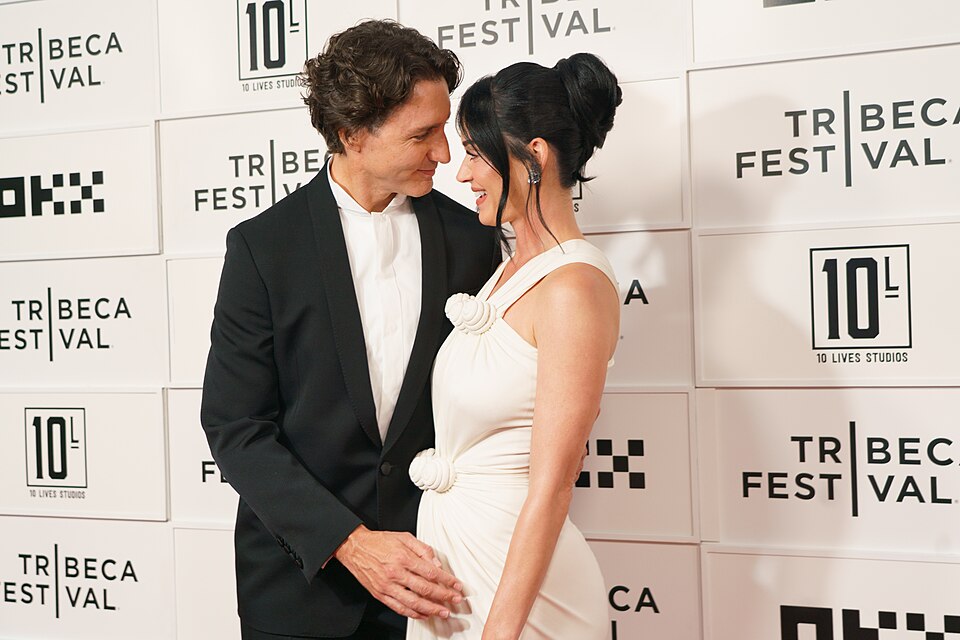
Pop singer Katy Perry is criticizing the Trump White House after one of her biggest hits appeared in a viral social media video featuring recent U.S. military strikes against Iranian targets.
The dispute began after the White House shared a TikTok video showing missile strikes while Perry’s hit song “Firework” played in the background. The video quickly gained widespread attention online, drawing more than 6 million views and over 600,000 likes. The post carried the caption: “Iran has been warned.”
Key Takeaways
- Katy Perry says the White House used her song without permission.
- The video featured footage of U.S. military strikes against Iran.
- Perry says “Firework” was written to inspire hope, not accompany military action.
- The White House has faced similar complaints from other artists in recent years.
- Trump administration officials argue the criticism only increases public interest in the videos.
Perry Says She Never Approved the Video
Perry responded on X, saying she was never contacted about using her music.
Perry said she was “deeply upset and frustrated” that the White House used her song “Firework” as the soundtrack for a TikTok video featuring military strikes, adding that she had never given permission for the music to be used.
Perry said she never authorized the White House to use the song and made clear she does not support its use in connection with military operations. She explained that “Firework” was created to inspire hope, confidence, and unity—not to serve as the soundtrack for scenes of armed conflict. According to Perry, her music is meant to bring people together rather than glorify war.
White House Continues Expanding Its Social Media Reach
The White House’s official TikTok account has become a major communication platform for the Trump administration since launching in 2025.
Although President Donald Trump previously expressed concerns about TikTok’s ownership and national security implications, the platform has remained active in the United States after ByteDance announced a U.S.-based business structure designed to safeguard American user data.
In the account’s first video, Trump said his administration was focused on improving life for everyday Americans.
“Every day I wake up determined to deliver a better life for the people all across this nation,” Trump said. “I am your voice.”
Similar Copyright Disputes Have Emerged
Perry is not the first high-profile entertainer to object to the use of music in political videos.
Earlier this year, singer Kesha criticized the White House after her song “Blow” appeared in another administration video without her approval.
Beyoncé has also reportedly issued legal warnings after videos featuring her song “Freedom” circulated online showing President Trump arriving at campaign events.
In another well-known case, the family of legendary soul singer Isaac Hayes reached a settlement involving the use of “Hold On, I’m Comin’” during the 2024 campaign.
Disagreements over music licensing have become increasingly common in modern political campaigns, with artists from across the political spectrum objecting to the use of their work without authorization.
Trump Administration Responds
The Trump White House has largely dismissed criticism from entertainers over its social media strategy.
White House Communications Director Steven Cheung argued that complaints from celebrities often generate even more attention for the administration’s online content.
Responding on X, Cheung argued that celebrity criticism only helps amplify the administration’s message. He suggested that every public complaint from entertainers ends up generating additional attention and driving more views to the White House’s videos.
Bottom Line
The latest disagreement highlights the continuing tension between public figures in the entertainment industry and political leaders over the use of copyrighted music in online videos.
Whether additional legal action follows remains to be seen, but the dispute has once again sparked debate over copyright, political messaging, and the growing influence of social media in American politics.

Leave a Reply