
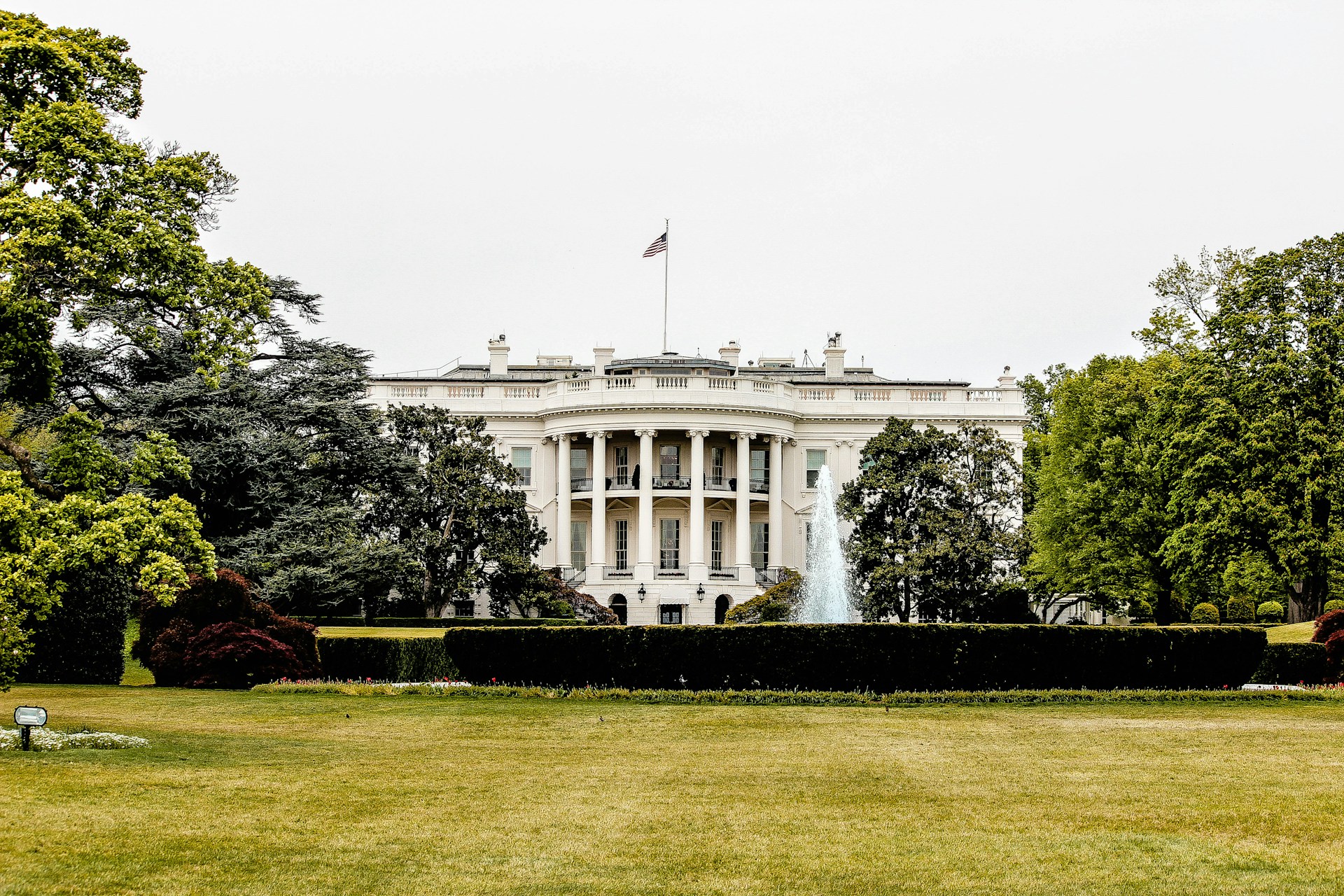
Security is at an all time high.
The Trump administration is considering tougher cellphone restrictions for U.S. troops serving in the Middle East as military leaders warn that online posts could be giving Iran valuable intelligence during a time of heightened regional tensions.
According to a Reuters report, some American service members stationed in Jordan have been informed they may soon be required to surrender their personal cellphones. Military officials are also evaluating whether similar restrictions should be expanded to other locations across the region, although no final decision has been announced.
The move reflects growing concerns that photos, videos, and social media posts shared by troops could unintentionally expose sensitive military information and place American lives at greater risk.
Why the Military Is Considering New Cellphone Restrictions
U.S. Central Command (CENTCOM), which oversees American military operations throughout the Middle East, confirmed that Commander Adm. Brad Cooper recently sent an internal message reminding service members about the importance of operational security.
CENTCOM spokesman Capt. Tim Hawkins described the message as part of the military’s ongoing effort to reinforce security procedures during active operations.
Defense officials declined to comment on whether mandatory cellphone confiscations are imminent, saying they do not publicly discuss force-protection measures.
Military Warns Social Media Can Help America’s Enemies
According to Reuters, Cooper warned that Iran can quickly review publicly available videos, photographs, and news reports following missile and drone attacks to determine whether its strikes were successful.
Military leaders believe that even well-intentioned posts by service members can reveal valuable information, including where troops took shelter, how bases responded, and whether military facilities suffered damage.
Cooper reportedly warned that the consequences of such information becoming available could be severe.
“The direct, unavoidable cost of this open-source intelligence could be measured in the lives of American service members,” he wrote in the internal message.
Officials fear that every publicly shared image or video may provide hostile governments with intelligence that could improve future attacks.
Deadly Attack Highlighted the Growing Threat
The warning reportedly referenced the July 17 Iranian missile attack on Muwaffaq Salti Air Base in Jordan.
The strike claimed the lives of Pvt. Isabella Gonzales, 1st Lt. Tyler Feehan, and Sgt. Angel Rampersad, underscoring the dangers facing American forces deployed in the region.
Military officials reportedly pointed to video footage recorded with Meta smart glasses that showed troops running for cover during the attack. While the footage may have appeared harmless, commanders believe it could have revealed valuable information about troop movements and defensive positions.
Officials argue that limiting the release of such material could make it more difficult for America’s adversaries to evaluate the effectiveness of future attacks.
Current Rules Already Limit Phone Use
Personal electronic devices are already restricted in many parts of the U.S. military.
Cellphones are prohibited during certain classified missions, inside secure facilities, and in other sensitive environments. Sailors deployed at sea also frequently have limited access to traditional cellular service.
However, many troops serving at established overseas bases are allowed to keep their phones so they can remain in contact with family members during lengthy deployments.
If broader restrictions are implemented, military leaders will have to balance operational security with the importance of allowing service members to stay connected with loved ones back home.
Congress Also Warns About Smartphone Data Risks
The latest concerns come as lawmakers from both parties continue raising alarms about another potential security threat involving smartphones.
Earlier this year, members of Congress warned that foreign adversaries could obtain commercially available location data collected through smartphone apps, advertising networks, and data brokers.
Lawmakers cautioned that such information could potentially reveal the locations of military installations, monitor troop movements, or identify individual service members.
They urged the Pentagon to strengthen protections by disabling advertising identifiers on government-issued phones and encouraging troops to take similar precautions on their personal devices.
Cybersecurity experts have echoed those concerns, warning that commercially available location data has become an increasingly significant national security issue.
Focus Remains on Protecting American Troops
Military officials emphasize that the latest warning is not focused solely on cellphone tracking but also on information voluntarily shared online through photos, videos, and social media posts.
Commanders believe limiting the amount of publicly available information about military operations could help reduce the risk of hostile nations using open-source intelligence to improve future attacks against American personnel.
For now, CENTCOM has not announced a region-wide cellphone ban. However, military leaders continue urging deployed troops to exercise extreme caution when using personal devices during ongoing operations in the Middle East.
As tensions in the region continue, protecting operational security remains a top priority for the U.S. military, with commanders seeking every possible measure to safeguard American service members both on and off the battlefield.


Leave a Reply