
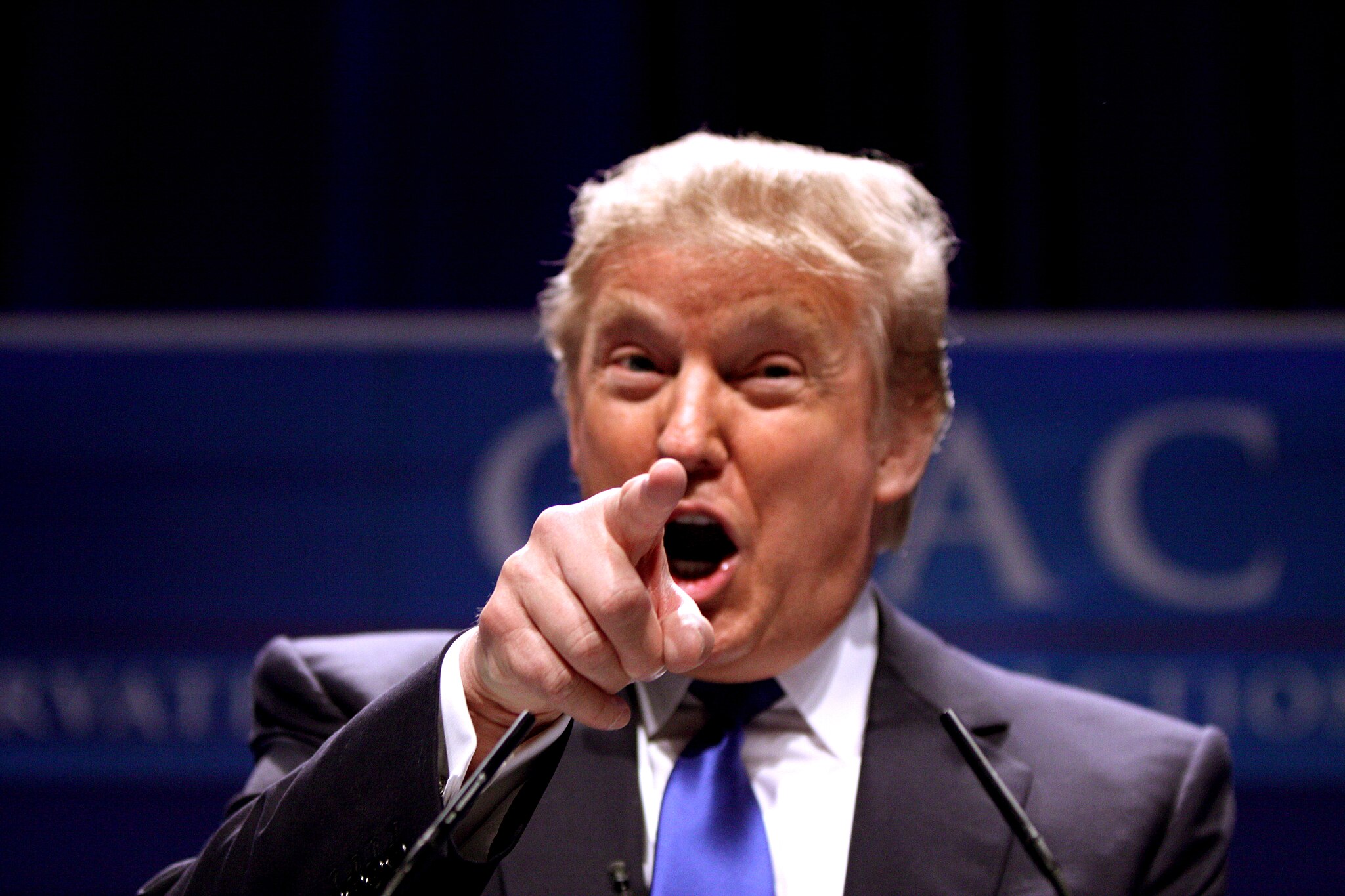
Trump didn’t hold back this time.
President Donald Trump sparked another wave of online discussion Sunday after sharing a series of AI-generated images targeting political opponents, media personalities, entertainers, and foreign adversaries on his Truth Social account.
The posts combined satire, political commentary, and fictional scenarios, continuing Trump’s frequent use of artificial intelligence-generated content to engage supporters and generate conversation on social media.
The posting spree began with an AI-generated image depicting CNN anchor Kaitlan Collins as transgender influencer Dylan Mulvaney, revisiting a joke Trump made during the White House Correspondents’ Dinner earlier in the week.
Trump followed with another digitally created image featuring former New Jersey Gov. Chris Christie alongside rock musician Bruce Springsteen. The fictional image included humorous signs criticizing Springsteen’s performances while portraying Christie attempting to interact with the singer.
WATCH:
𝗣𝗿𝗲𝘀𝗶𝗱𝗲𝗻𝘁 𝗧𝗿𝘂𝗺𝗽 𝟬𝟴:𝟭𝟲 𝗔𝗠 𝗣𝗦𝗧 𝟬𝟳.𝟮𝟲.𝟮𝟲 – 𝗧𝗿𝘂𝘁𝗵 𝗦𝗼𝗰𝗶𝗮𝗹 𝗣𝗼𝘀𝘁
President Trump just posted this hilarious image of TDS Trump haters Bruce Springsteen and Chris Christie, so we brought it to life!🤣 pic.twitter.com/MrxEKdYuP0
— Commentary Donald J. Trump Posts From Truth Social (@TrumpDailyPosts) July 26, 2026
Another AI-generated image imagined Christie in a fictional boxing match against Rep. Jerry Nadler, D-N.Y. The satirical artwork labeled the event the “Cheesecake Championship,” continuing Trump’s long-running criticism of both political figures.
WATCH:
🚨 LMFAO! President Trump posts Chris Christie fighting Rep. Jerry Nadler for cheesecake
We will never have another president like 47 😭😂 pic.twitter.com/u57KipHVSl
— Eric Daugherty (@EricLDaugh) July 26, 2026
Several additional posts showed Trump wearing a red “Trump 2028” hat. Although the U.S. Constitution limits presidents to two elected terms, the slogan has become a recurring theme in merchandise, memes, and online discussions among supporters.
One of the most widely shared images targeted late-night television hosts Stephen Colbert, Jimmy Kimmel, and Jimmy Fallon. The AI-generated artwork portrayed the three comedians as struggling performers holding signs suggesting they were no longer successful, while graffiti in the background declared, “Late Night Is Over.”
WATCH:
🚨 JUST NOW: President Trump just posted Stephen Colbert, Jimmy Fallon and Jimmy Jimmel as utter failures out on the street 🤣
— Eric Daugherty (@EricLDaugh) July 26, 2026
All suffer from SEVERE TDS and it destroyed them! pic.twitter.com/zhp7uQagEW
Trump has frequently criticized late-night television hosts, arguing their programs have become overly political and unfairly target conservatives. Kimmel, Colbert, and Fallon have each regularly featured Trump in opening monologues and comedy segments throughout his political career.
The president also revisited his long-running public feud with comedian Rosie O’Donnell. Another AI-generated image referenced O’Donnell’s move to Ireland, portraying her in a fictional scene surrounded by Irish-themed decorations while writing a letter addressed to Trump.
Later in the day, Trump’s posts shifted from domestic political satire to international issues.
Several AI-generated images depicted fictional military scenarios involving Iran, including images referencing Kharg Island, Iranian naval vessels, and an oil tanker. One image included the caption, “It’s our tanker now!” The images appeared to reflect ongoing tensions between the United States and Iran but did not depict real military operations.
The posts quickly spread across social media, generating strong reactions from both supporters and critics. Supporters described the images as political satire and humorous online commentary, while critics argued they contributed to increasingly confrontational political rhetoric and raised concerns about the growing use of AI-generated media in public discourse.
Trump has embraced artificial intelligence-generated images as a regular part of his online communication strategy in recent months. Many of his posts blend humor, political messaging, and digitally created artwork that often attracts millions of views and widespread discussion across multiple platforms.
The growing use of AI-generated content by political leaders reflects a broader trend in digital campaigning, where artificial intelligence is becoming an increasingly visible tool for creating viral content, shaping public conversations, and engaging supporters online.
As AI technology continues to evolve, experts expect digitally generated images and videos to play an even larger role in political communication, making it increasingly important for readers to distinguish between fictional artwork, satire, and real-world events.
Leave a Reply