
Trump didn’t need this.
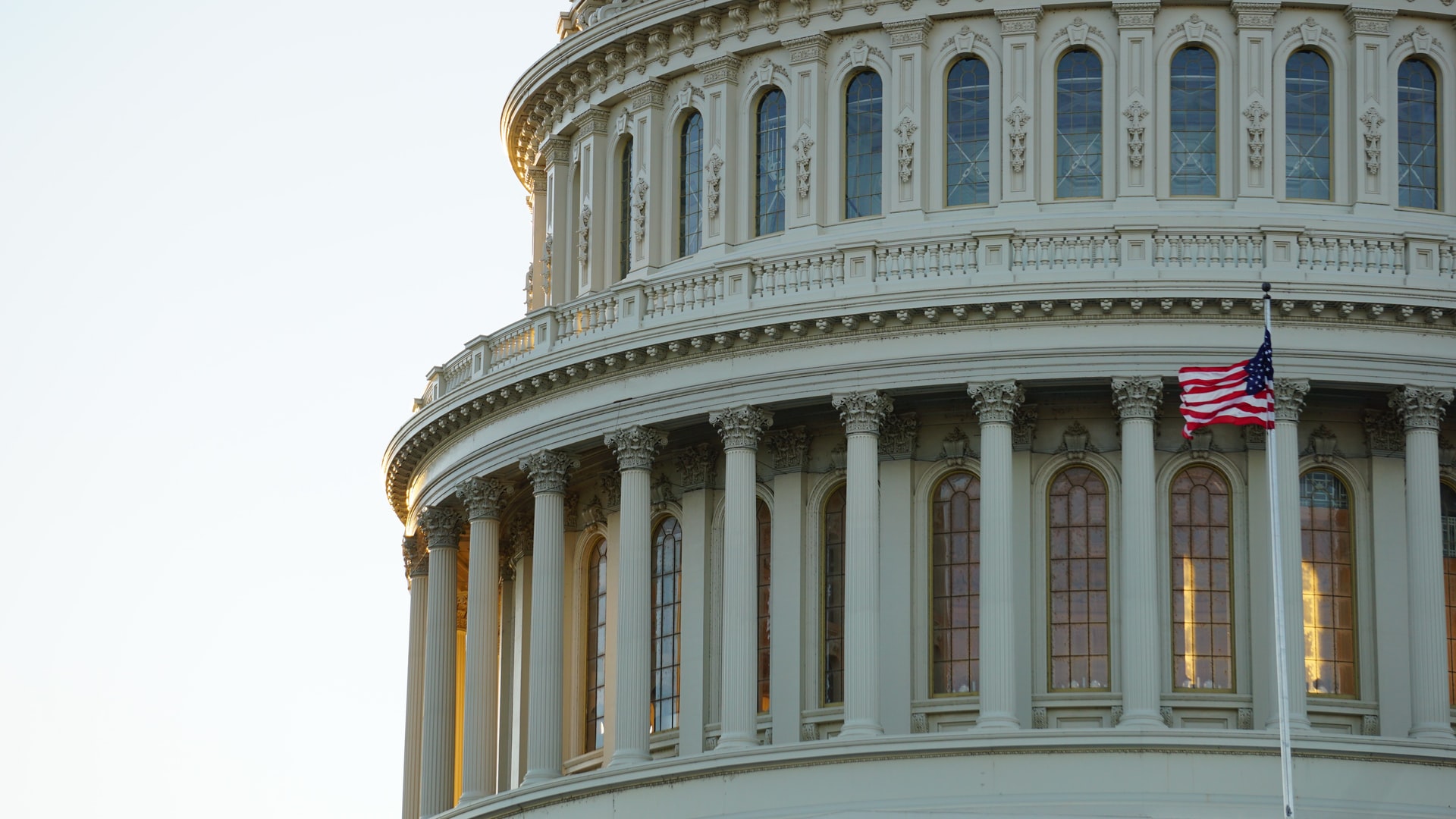
Senate Democrats handed President Donald Trump another legislative setback Tuesday by blocking a procedural vote on one of Congress’s most important annual pieces of legislation, temporarily halting debate on the National Defense Authorization Act (NDAA).
The vote marked a significant roadblock for Republicans, who had hoped to begin Senate consideration of the roughly $1.15 trillion defense package. While the NDAA has traditionally received broad bipartisan support because it funds military priorities and sets national defense policy, this year’s legislation has become caught in a broader political dispute over federal spending and the administration’s military actions overseas.
The procedural motion required 60 votes to move forward but failed by a vote of 50-46.
Voting largely followed party lines. Senate Majority Leader John Thune (R-S.D.) switched his vote from “yes” to “no” before the final tally, a routine parliamentary move that allows him to bring the legislation back for another vote at a later date.
Four senators did not participate in the vote: Sens. Jim Justice (R-W.Va.), John Fetterman (D-Pa.), Alex Padilla (D-Calif.), and Mitch McConnell (R-Ky.).
Why The Defense Bill Matters
The National Defense Authorization Act is one of the few major bills Congress has traditionally approved every year with bipartisan backing. Rather than directly providing funding, the legislation authorizes military programs, establishes defense policy, outlines spending priorities, and sets personnel policies for the U.S. Armed Forces.
Lawmakers often view the NDAA as essential because it provides guidance for military operations, national security initiatives, modernization efforts, and quality-of-life improvements for service members and their families.
This year’s proposal would authorize approximately $1.1 trillion for the Department of Defense, an additional $41 billion for the Department of Energy to oversee the nation’s nuclear arsenal, and roughly $11 billion for other defense-related programs.
The package also includes a 3.6% pay raise for active-duty military personnel along with investments in military housing, healthcare, education, and childcare programs designed to support service members and their families.
Budget Negotiations Reach A Standstill
Although the legislation advanced out of the Senate Armed Services Committee in June with bipartisan support through an 18-9 vote, negotiations have since stalled.
At the center of the disagreement is a broader budget debate between Republicans and Democrats over defense and domestic spending levels.
Republicans have emphasized strengthening national defense and military readiness, while Democrats argue that increases in defense spending should be paired with comparable investments in non-defense programs.
The dispute has complicated negotiations over several annual spending bills and has now delayed progress on the defense authorization measure as well.
Iran Conflict Adds To The Debate
Another major issue influencing the vote was the renewed military conflict involving Iran.
Several Democratic senators argued that Congress should address the administration’s military operations before advancing a major defense authorization bill. They questioned whether lawmakers should proceed without first debating the scope of ongoing military action and Congress’s role in authorizing it.
Senate Democratic Leader Chuck Schumer said lawmakers had been formally notified that hostilities had resumed and argued that the Senate should not move forward with the defense legislation as though recent military developments had not occurred.
Some Democratic lawmakers also expressed concerns that Congress had not voted on authorizing the renewed military campaign, making the issue a central point in Tuesday’s debate.
Republicans Call The Move Unusual
Republican lawmakers sharply criticized the decision to block debate on the legislation.
Senate Armed Services Committee Chairman Roger Wicker (R-Miss.) described the vote as unprecedented for a bill that has historically enjoyed bipartisan cooperation. He argued that preventing the Senate from even beginning debate represented a significant departure from the chamber’s traditional handling of annual defense legislation.
Supporters of the bill also note that the NDAA has long served as a vehicle for addressing military readiness, supporting troops, modernizing equipment, and responding to evolving national security threats.
Democrats Cite Spending Priorities
Democrats countered that the disagreement extends beyond defense policy.
Schumer criticized Republican spending proposals, arguing that they prioritize military funding while failing to provide comparable attention to domestic programs. Democratic leaders have called for broader bipartisan negotiations on overall federal spending before moving forward with the defense package.
Sen. Chris Murphy (D-Conn.) also voiced opposition, arguing that the legislation is closely connected to the administration’s military strategy involving Iran and saying Congress should fully debate those issues before advancing the bill.
Not every Democrat appeared firmly committed before the vote. Sen. Jack Reed (D-R.I.), the ranking member of the Senate Armed Services Committee, indicated beforehand that he was still weighing whether to support beginning debate.
What’s Included In The Bill?
Beyond overall defense funding, the legislation contains numerous provisions affecting the U.S. military and national security.
Among its major provisions are:
- Approximately $1.1 trillion authorized for the Department of Defense.
- About $41 billion for nuclear security programs managed by the Department of Energy.
- Roughly $11 billion for additional defense-related activities.
- A 3.6% pay raise for active-duty service members.
- Continued investments in military housing.
- Expanded support for healthcare, education, and childcare programs serving military families.
- Funding priorities aimed at maintaining military readiness and modernizing America’s armed forces.
While the NDAA establishes defense policy and authorizes programs, Congress must still pass separate appropriations legislation to provide the actual funding.
What Happens Next?
Although Tuesday’s vote temporarily halted Senate consideration of the defense authorization bill, Republicans are expected to revisit the legislation in the coming weeks.
Because Majority Leader Thune preserved his procedural right to reconsider the measure, Senate leaders can schedule another vote once negotiations continue or additional bipartisan support is secured.
Whether lawmakers ultimately reach an agreement may depend on resolving broader disputes over defense spending, domestic budget priorities, and ongoing military operations abroad.
For now, the failed procedural vote underscores the increasingly partisan atmosphere surrounding even traditionally bipartisan legislation. As negotiations continue, both parties face pressure to find common ground on national security, military funding, and overall federal spending before Congress can move one of its most significant annual bills toward final passage.





Leave a Reply