
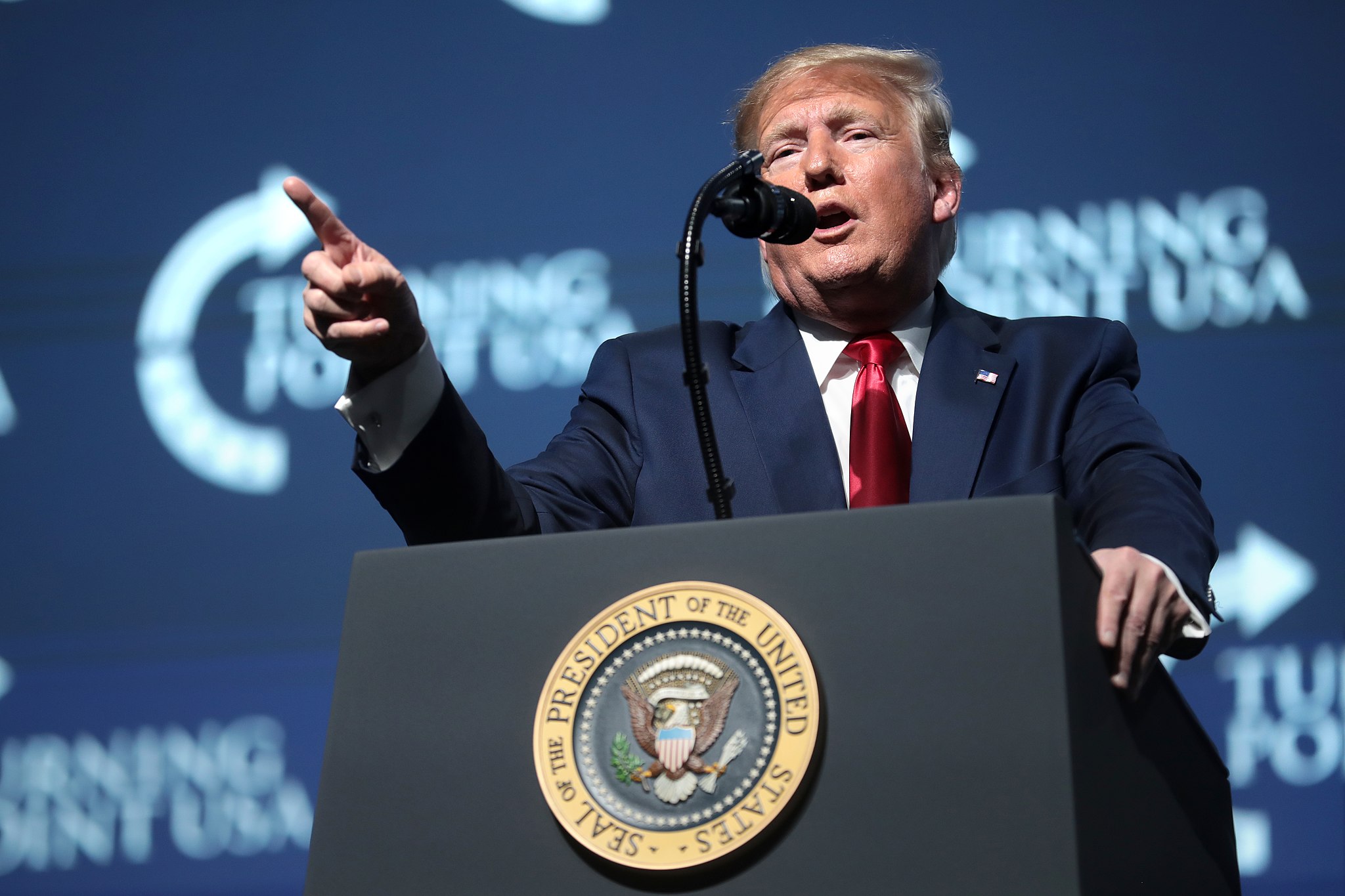
This was surprising to see.
A growing disagreement between President Donald Trump and Senate Republican leadership has placed an often-overlooked Senate official in the national spotlight.
On Monday, Trump called for Senate Parliamentarian Elizabeth MacDonough to be removed from her position after several rulings that affected Republican legislative priorities. But Senate Majority Leader John Thune quickly signaled that he does not support making a change.
The dispute highlights a larger debate over how much influence Senate rules and procedural decisions should have on major legislation moving through Congress.
Why Trump Is Criticizing The Senate Parliamentarian
Trump argued that recent parliamentary rulings have made it more difficult for Senate Republicans to advance key parts of their legislative agenda.
Among the issues drawing attention is the Republican-backed SAVE AMERICA Act and other provisions tied to ongoing budget and policy negotiations.
The president contends that some recent decisions have blocked proposals supported by Republicans and has urged Senate leaders to take action.
His comments are part of a broader effort to pressure lawmakers as Congress works through several high-profile legislative battles.
What Does The Senate Parliamentarian Do?
While many Americans may be unfamiliar with the role, the Senate parliamentarian serves as the chamber’s chief advisor on Senate rules and procedures.
The position is designed to be nonpartisan and is responsible for determining whether legislative provisions comply with complex Senate requirements.
These rulings can have a major impact on legislation, especially during the budget reconciliation process, which allows certain bills to advance with a simple majority vote rather than the standard 60-vote threshold.
Because of that authority, parliamentarian decisions can significantly influence what lawmakers are able to include in major spending and policy packages.
Thune Defends The Current Process
Despite Trump’s criticism, Thune defended the role of the parliamentarian and emphasized that procedural rulings affect both political parties.
Speaking with reporters, the Senate Republican leader said that lawmakers do not always agree with the outcomes, but noted that the parliamentarian’s job is to serve as an impartial referee.
According to Thune, Senate leaders sometimes benefit from rulings and sometimes face setbacks, regardless of which party controls the chamber.
His comments strongly suggest that MacDonough’s position is not in immediate danger.
A Debate That Extends Beyond One Ruling
The latest dispute reflects a larger discussion taking place on Capitol Hill.
Supporters of the parliamentarian system argue that Senate rules help maintain consistency and prevent either party from bypassing long-standing procedures whenever political circumstances change.
Critics, however, contend that unelected officials can wield significant influence over legislation that affects millions of Americans.
That debate has surfaced repeatedly in recent years as both Republicans and Democrats have seen important provisions removed from legislation because of parliamentary rulings.
What Happens Next?
For now, Senate Republican leadership appears committed to maintaining the existing process despite Trump’s objections.
However, the controversy underscores the challenges lawmakers face as they attempt to move major legislation through a narrowly divided Senate.
With debates over election policy, federal spending, immigration, and other key issues expected to continue throughout the year, procedural battles inside the Senate may remain just as important as the policy debates themselves.
As Congress advances its agenda, the role of the Senate parliamentarian is likely to remain under increased scrutiny from both lawmakers and voters who are watching closely to see how legislative priorities move forward.


Leave a Reply