
Here’s what Trump is demanding.
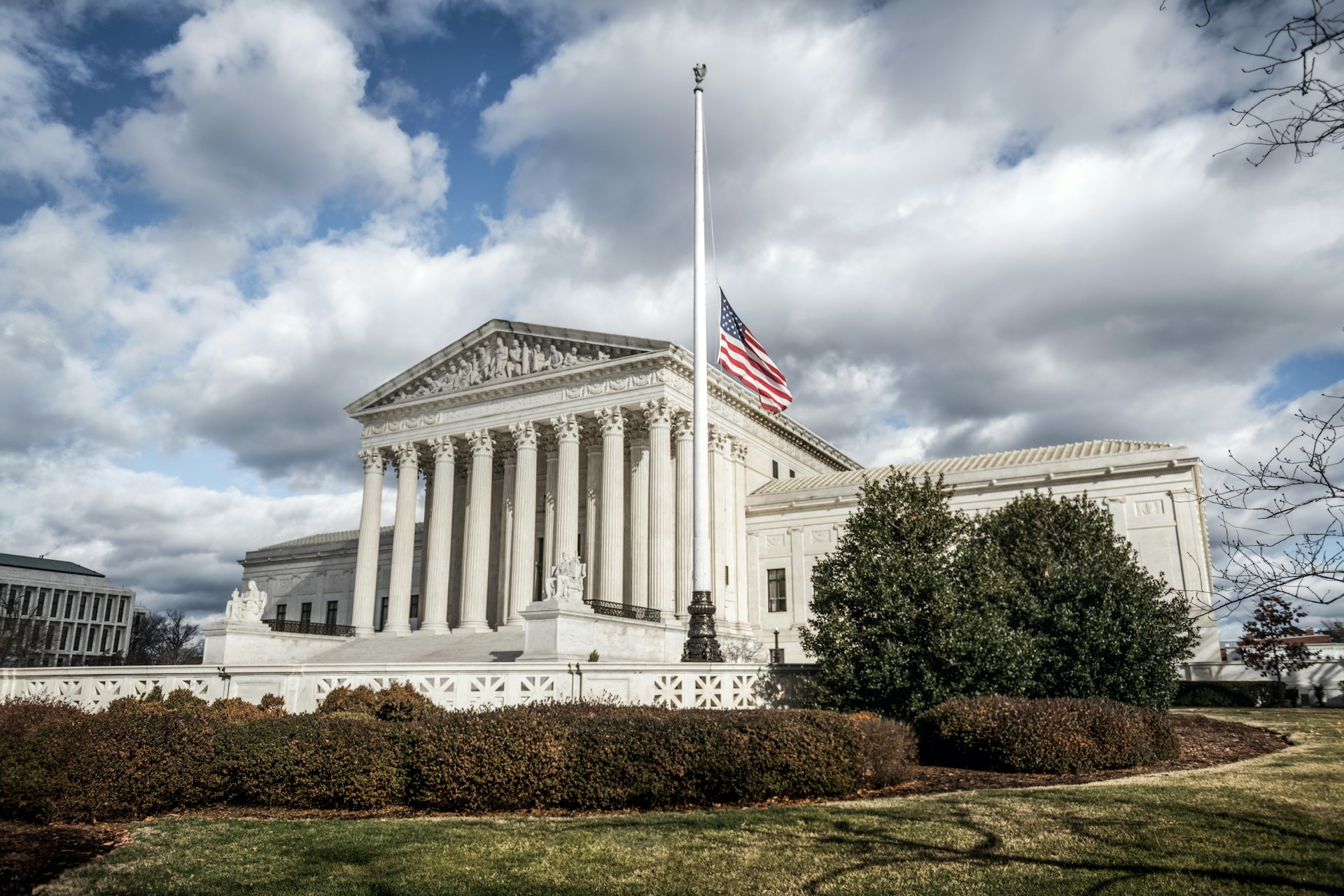
President Donald Trump announced Wednesday that he intends to ask the U.S. Supreme Court to reconsider its recent decision on birthright citizenship, setting the stage for another legal battle over one of the most debated issues in U.S. immigration policy.
The move follows a closely watched 5-4 Supreme Court ruling last month that determined children born in the United States to parents who are in the country illegally or are present on a temporary basis are protected by the Citizenship Clause of the 14th Amendment. The decision blocked Trump’s executive order that sought to end automatic birthright citizenship for those children.
In a post on Truth Social, Trump said he plans to file a petition asking the nation’s highest court to rehear the case.
“I will be asking for a Rehearing by the United States Supreme Court, IMMEDIATELY,” Trump wrote, arguing that the court should revisit its decision because of what he believes are significant legal and constitutional concerns.
Why a Supreme Court Rehearing Is Unusual
Legal experts note that requests for Supreme Court rehearings are exceptionally rare. Under the court’s Rule 44, petitions for rehearing generally must be filed within 25 days after a decision and are intended only for extraordinary circumstances, such as significant legal or factual issues that may have been overlooked.
Even if a petition is filed, the odds of success are extremely low. A rehearing can only move forward if at least one justice who voted with the majority agrees that the case deserves another review. Historically, the Supreme Court grants very few rehearing requests.
The Administration’s Position
The announcement reflects the Trump administration’s continued effort to challenge the current interpretation of birthright citizenship despite the Supreme Court’s ruling.
Following the decision, White House Deputy Press Secretary Abigail Jackson said the administration considers the legal fight far from over. Speaking on Newsmax’s National Report, Jackson said President Trump remains committed to pursuing changes to birthright citizenship through every available legal avenue.
According to Jackson, the administration believes the Supreme Court misinterpreted the original intent of the 14th Amendment. She argued that the amendment was designed to guarantee citizenship for formerly enslaved Americans following the Civil War and was not intended to automatically extend citizenship to children born to foreign nationals who entered the country illegally or are in the United States temporarily.
Jackson also said the administration believes American citizenship is a valuable legal status that should not be subject to abuse through illegal immigration.
Trump’s Claims About Border Advertising
In his Truth Social post, Trump also claimed that advertisements promoting birthright citizenship are appearing near the U.S.-Mexico border and in parts of Mexico.
According to Trump, the advertisements encourage expectant mothers to travel to the United States to give birth by promoting services related to childbirth and U.S. citizenship. He argued that such practices, if they exist, create financial incentives for people seeking American citizenship for their children.
The president did not provide evidence supporting the existence or widespread use of the advertisements, and the claims have not been independently verified.
Trump further argued that maintaining the current interpretation of birthright citizenship could encourage additional illegal immigration and increase pressure on public resources, healthcare systems, and immigration enforcement.
The Constitutional Debate Continues
Birthright citizenship has remained one of the most controversial issues in American immigration law for decades.
Supporters of the current legal interpretation point to the language of the 14th Amendment, which states that individuals born in the United States and subject to its jurisdiction are citizens. They argue that longstanding legal precedent supports automatic citizenship for nearly everyone born on U.S. soil.
Those who favor changing the policy argue that the amendment was never intended to apply broadly to every child born to non-citizens, particularly those who entered the country illegally or are only temporarily present. They believe Congress or the courts should clarify how the amendment applies in modern immigration cases.
The debate has drawn attention from constitutional scholars, lawmakers, immigration advocates, and legal experts, making it one of the most significant immigration issues before the federal government.
What Happens Next?
If Trump formally files a petition for rehearing, the Supreme Court will decide whether the case meets the exceptionally high standard required for another review. Legal analysts generally agree that rehearing requests are rarely granted, meaning the original decision is likely to remain in effect unless the court determines extraordinary circumstances justify revisiting the case.
Regardless of the outcome, the issue is expected to remain at the center of national discussions about immigration policy, constitutional law, border security, and the future interpretation of the 14th Amendment.
As the legal process unfolds, the case could continue shaping the national conversation over citizenship, immigration enforcement, and the constitutional limits of executive authority for years to come.




Leave a Reply