
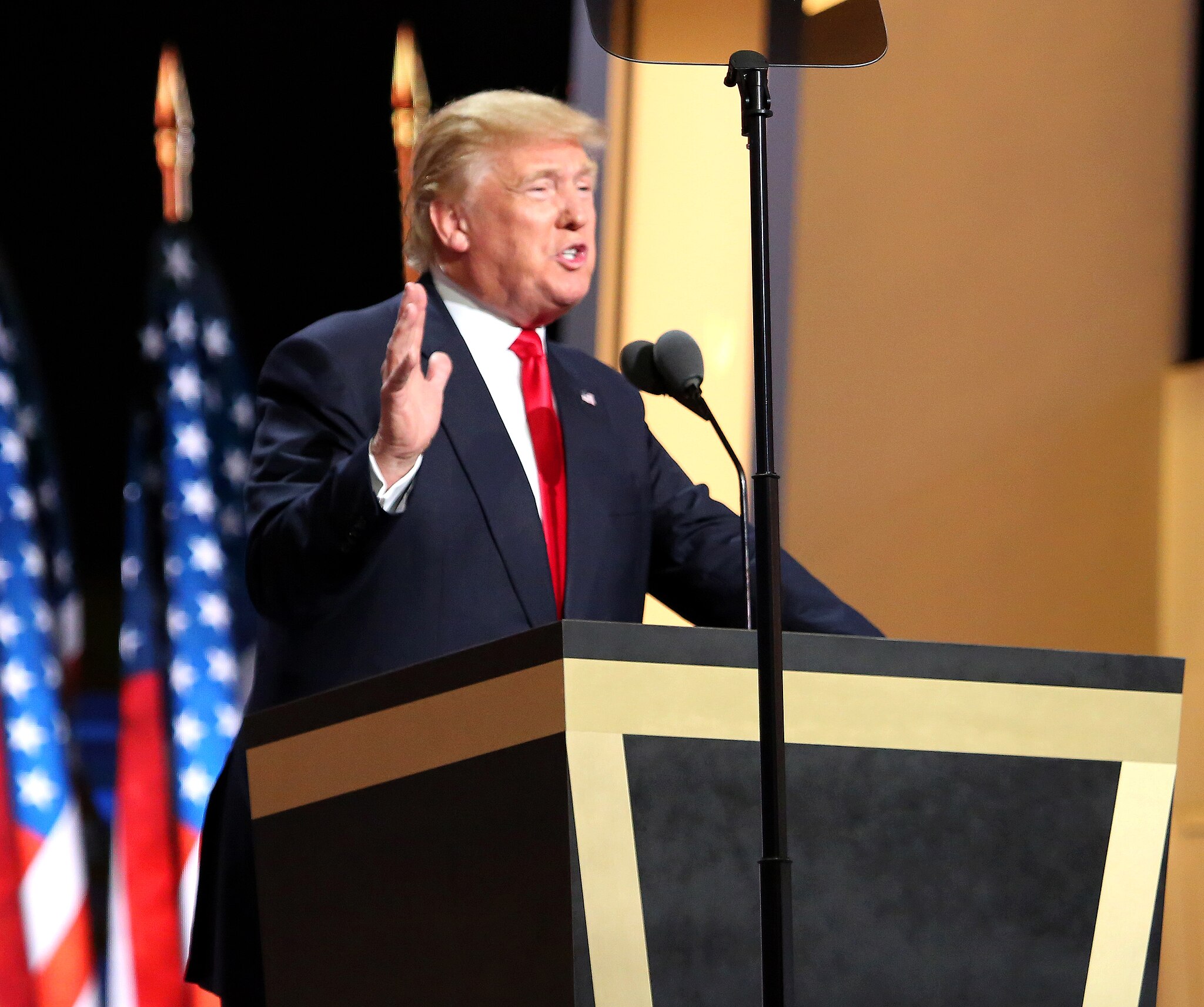
Trump just got another key win.
President Donald Trump scored another important victory at the Supreme Court on Tuesday as the justices allowed his administration to resume a controversial immigration policy involving the deportation of migrants to countries other than their own.
The ruling gives the Trump administration greater flexibility to carry out deportations while the Supreme Court prepares to consider whether the policy is ultimately legal.
For now, federal immigration officials may once again deport certain migrants to so-called “third countries,” including nations where those individuals have never lived.
The Supreme Court is expected to hear arguments in the case in December, setting up another major showdown over immigration enforcement, presidential authority and the power of federal courts.
Supreme Court Lets Trump Deportation Policy Resume
The latest Supreme Court order temporarily clears the way for the Trump administration to continue third-country deportations while the broader legal battle moves forward.
The Court did not issue a final ruling on whether the policy is lawful.
Instead, the justices decided what rules will remain in effect while the case proceeds.
The Court’s three liberal justices — Sonia Sotomayor, Elena Kagan and Ketanji Brown Jackson — opposed allowing the administration’s policy to resume.
The unsigned order did not provide a detailed explanation for the majority’s decision.
The ruling marks another significant development in the Trump administration’s effort to expand immigration enforcement during the president’s second term.
What Are Third-Country Deportations?
Normally, a migrant ordered removed from the United States would be sent back to his or her country of origin.
But that process is not always possible.
Some foreign governments refuse to accept deportees. In other cases, diplomatic or logistical problems can make returning a migrant to his home country difficult.
The Trump administration developed another option: sending certain migrants to a different country willing to accept them.
Those destinations are known as third countries.
More than 25,000 migrants have reportedly already been removed under the policy, according to Reuters.
The administration argues that the program gives immigration authorities another tool for enforcing final deportation orders when a migrant’s home government will not cooperate.
Trump Administration Says Policy Strengthens Immigration Enforcement
The White House has defended third-country removals as an important part of President Trump’s broader border security and immigration agenda.
Administration officials argue that migrants who have received final removal orders should not automatically remain in the United States simply because their country of origin will not accept them.
Supporters of the policy say third-country agreements give federal officials another way to carry out those orders.
The Trump administration has also argued that repeated lower-court restrictions have disrupted immigration operations and forced federal officials to cancel planned deportation flights.
The Justice Department told the Supreme Court that previous court rulings had created logistical and diplomatic problems for the federal government.
Immigration Groups Raise Human Rights Concerns
Immigrant-rights organizations strongly disagree with the administration’s approach.
Their central argument is not necessarily that all third-country deportations must be prohibited.
Instead, they contend migrants should receive advance notice and a meaningful opportunity to argue that they could face persecution or torture in the country where the government intends to send them.
That dispute has placed international human rights protections at the center of the Supreme Court case.
The legal fight involves the Convention Against Torture, an international agreement ratified by the United States.
Under federal law implementing those protections, the U.S. government generally cannot send a person to a country where authorities determine that the individual is more likely than not to face torture.
The disagreement is over what process must occur before that determination is made.
Lower Courts Had Restricted Trump Policy
Federal courts previously ruled that migrants should receive notice before being deported to a third country and should have an opportunity to raise a credible fear of torture or persecution.
Those rulings limited how quickly the Trump administration could conduct third-country removals.
The administration challenged those restrictions, arguing that federal officials already have procedures in place to evaluate safety concerns.
The Department of Homeland Security has also relied on diplomatic assurances from foreign governments stating that migrants sent to their countries will not be tortured.
Immigration attorneys argue those assurances alone are not always sufficient.
That disagreement is now headed directly to the Supreme Court.
South Sudan Deportations Drew National Attention
The policy attracted widespread attention after a group of migrants scheduled for deportation to South Sudan became caught in the legal battle.
Some were temporarily held at a U.S. military facility in Djibouti while litigation continued.
The dispute became an early test of how aggressively the Trump administration could pursue third-country deportations while courts reviewed the legality of the program.
The Supreme Court previously allowed parts of the policy to continue while litigation was underway.
Tuesday’s ruling once again favors the administration on the immediate question of whether removals can proceed before the justices issue a final decision.
Supreme Court Will Consider Major Legal Questions
When the Supreme Court hears arguments, the justices will consider several important questions.
One issue is whether the federal district court that originally ruled against the administration had jurisdiction to hear the case.
Another is whether the lower court had the authority to issue relief covering a broad group of migrants rather than only the individuals who originally filed suit.
The justices will also consider whether the Trump administration’s procedures for third-country deportations comply with federal law.
Those questions could have consequences well beyond this individual case.
A Supreme Court ruling could establish new boundaries for presidential authority over immigration enforcement and further define when federal judges may impose broad restrictions on nationwide policies.
Why the Supreme Court Decision Matters
The immediate impact is straightforward.
The Trump administration can continue using its third-country deportation policy while the Supreme Court reviews the case.
That provides immigration officials with another option when foreign governments refuse to accept migrants being returned from the United States.
But Tuesday’s decision should not be confused with a final endorsement of the program.
Emergency Supreme Court rulings determine what happens while a lawsuit continues. They do not necessarily reveal how the justices will decide the full case after briefing and oral arguments.
The Supreme Court will hear the underlying legal dispute later this year.
Another Major Immigration Battle Heads to Supreme Court
The case arrives as President Trump continues to make immigration enforcement a major focus of his second term.
For the administration, the case concerns whether the executive branch has enough authority and flexibility to carry out lawful deportation orders.
For migrants and immigration advocates, the dispute centers on whether people facing removal have sufficient legal protections before being sent to countries where they claim they could face danger.
The Supreme Court will now have the opportunity to settle those competing legal arguments.
Until then, Tuesday’s ruling gives the Trump administration an important temporary advantage in its effort to expand deportation enforcement.
The final decision could ultimately shape not only Trump’s immigration agenda but also the authority future presidents have over deportation policy and the ability of federal courts to intervene.








Leave a Reply